
Giardia is a microscopic parasite that causes a diarrheal illness called giardiasis. You get it by swallowing the parasite, which lives in the feces of infected humans and animals. The most common ways it spreads are through contaminated water, contaminated food, and unwashed hands. Preventing it comes down to three actions: treat or avoid unsafe water, cook food properly and wash produce, and practice strict hand hygiene. These steps break the cycle of infection and are highly effective when done consistently.
What Is Giardia and How Does It Spread?
Giardia is one of the most common causes of waterborne disease in the United States. The parasite exists in two forms. The active form lives in the intestines of infected hosts. The inactive form, called a cyst, is what passes in stool and spreads the disease.
Cysts are tough. They can survive for months in cold water and are resistant to chlorine at levels typically used in swimming pools. They can also survive on surfaces, in soil, and on food. It only takes a small number of cysts to cause illness—fewer than ten in some cases.
Transmission happens through the fecal-oral route. This means fecal matter carrying the parasite ends up in your mouth. This can happen by drinking untreated water from a lake or stream, eating raw produce washed in contaminated water, touching a contaminated surface and then touching your mouth, or caring for an infected person or animal without proper handwashing.
How To Prevent Giardia Water Food And Hands?
Prevention targets the three main routes of transmission: water, food, and hands. No single method is perfect, so combining all three gives you the best protection.
For water, the safest choice in areas with questionable municipal supplies is bottled water or water you have treated yourself. When hiking or camping, never drink directly from streams, lakes, or rivers—even in remote areas. Animals upstream can contaminate the water without leaving any visible sign.
For food, wash all produce under running water, peel fruits and vegetables when possible, and cook food to safe internal temperatures. Giardia cysts are killed by heat, so thoroughly cooked food is safe.
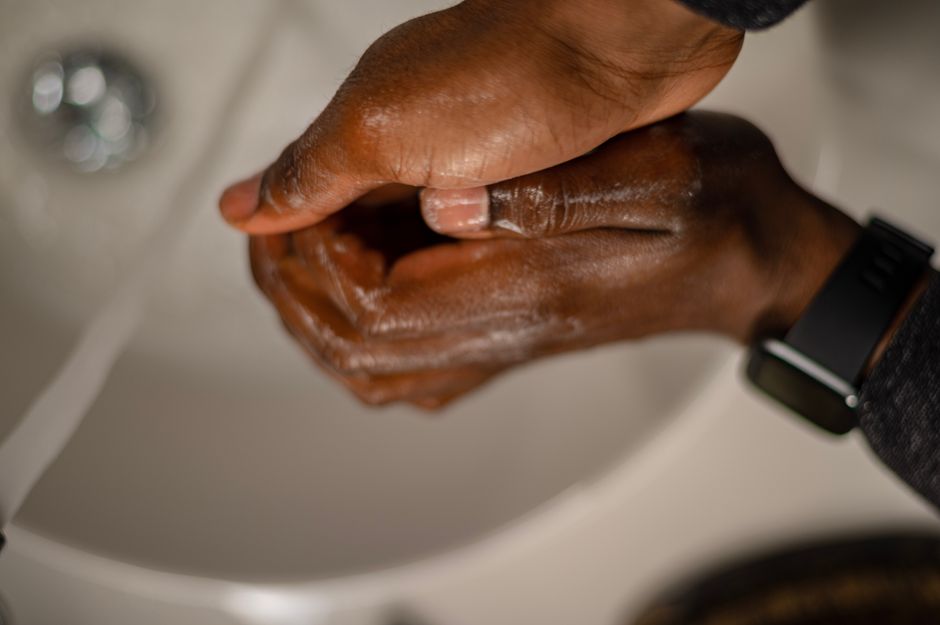
For hands, wash with soap and warm water for at least 20 seconds. This is especially important after using the bathroom, changing diapers, handling animals, and before preparing or eating food. Hand sanitizer is not reliable against Giardia cysts, so soap and water are the recommended method.
How To Make Water Safe From Giardia
Boiling is the most reliable way to kill Giardia cysts in water. Bring water to a rolling boil for at least one minute. At altitudes above 6,500 feet, boil for three minutes because water boils at a lower temperature there. Let the water cool before drinking.
Water filters can also remove Giardia if they are designed to. Look for filters labeled with a pore size of 1 micron or smaller, or filters certified to meet NSF/ANSI Standard 53 or 58 for cyst removal. Not all filters remove parasites. Many basic carbon filters and pitcher filters do not.
Chemical disinfection with iodine or chlorine tablets is less reliable than boiling or filtration. These methods are more effective in warm water than in cold water. Some research suggests that chemical treatment may not kill all Giardia cysts in very cold or cloudy water. If you rely on chemical disinfection, follow the manufacturer’s instructions exactly and increase contact time in cold water.
Municipal tap water in the United States and Canada is generally treated and monitored for Giardia. If you have a private well, have it tested for coliform bacteria and other contaminants regularly. Well water near livestock or failing septic systems carries higher risk.





How To Prevent Giardia From Food
Foodborne giardiasis is less common than waterborne, but it happens. The main risk is produce washed in contaminated water. Another risk is food handled by someone with Giardia who did not wash their hands properly.
Wash all raw fruits and vegetables under running water before eating, cutting, or cooking. Scrubbing firm produce like potatoes and carrots with a clean brush removes surface cysts. Peeling removes another layer of protection.
Cook food to safe internal temperatures. Giardia cysts are destroyed by heat, so any food cooked thoroughly is safe. This matters most for foods that might have been washed in untreated water or handled by an infected person.
Be cautious with food from street vendors or buffets in areas with poor sanitation. You cannot see Giardia cysts, and food that looks fresh can still be contaminated. When traveling, the general guidance is: boil it, cook it, peel it, or skip it.
Hand Hygiene: The Most Important Step
Handwashing is the single most effective way to prevent Giardia transmission. The parasite moves from feces to mouth, and your hands are the bridge. Interrupting that bridge stops the cycle.
Wash your hands with soap and warm water for at least 20 seconds. That is roughly the time it takes to sing “Happy Birthday” twice. Pay attention to the backs of your hands, between your fingers, and under your nails. Rinse well and dry with a clean towel.
Wash your hands at these critical moments:
- After using the toilet or changing a diaper
- Before preparing or eating food
- After touching animals, especially farm animals or pets with diarrhea
- After gardening or touching soil
- After caring for someone with diarrhea
Alcohol-based hand sanitizers are not reliably effective against Giardia cysts. The cysts have a thick wall that resists alcohol. Soap and water physically wash the cysts off your hands, which is why it works better.
Special Situations: Travel, Camping, and Childcare
Travelers to regions with poor water sanitation face the highest risk. In these areas, drink only bottled water from sealed containers, avoid ice made from tap water, and use bottled water for brushing teeth. Salads and raw vegetables are common sources of infection in these settings because they are often washed in untreated water.
Campers and hikers should treat all natural water sources. Even crystal-clear mountain streams can carry Giardia from beavers, deer, or other animals. Boiling or filtering is the standard recommendation from outdoor health organizations.
Childcare centers are a common setting for Giardia outbreaks. Young children are more likely to have accidents and may not wash their hands well. Diaper-changing areas can become contaminated quickly. Strict handwashing policies for staff and children, plus regular disinfection of changing tables and toys, reduce spread.
People with Giardia should not swim in public pools, lakes, or oceans while they have diarrhea. They can contaminate the water and infect others. The CDC recommends waiting two weeks after diarrhea stops before swimming.
What To Do If You Think You Have Giardia
Symptoms usually appear one to two weeks after exposure. The most common symptom is watery diarrhea. Other symptoms include stomach cramps, nausea, bloating, gas, and greasy stools that float. Some people have no symptoms at all but can still spread the parasite.
Symptoms can last two to six weeks. In some cases they resolve on their own. In others, treatment is needed. A doctor can diagnose giardiasis by examining a stool sample under a microscope or using a sensitive antigen test.
Prescription medications are available and are highly effective. Common options include metronidazole, tinidazole, and nitazoxanide. These require a prescription and should be taken exactly as directed. Do not treat yourself with over-the-counter anti-diarrheal medications without talking to a doctor first, as they can prolong the infection in some cases.
Stay well hydrated if you have diarrhea. Oral rehydration solutions or plain water with electrolytes are better than sugary drinks. If you cannot keep fluids down, have severe abdominal pain, or see blood in your stool, seek medical care promptly.
Frequently Asked Questions
Can you get Giardia from tap water?
Municipal tap water in the United States and Canada is treated and monitored for Giardia, so the risk is very low. Private wells are not regulated, so well water should be tested regularly, especially if livestock or failing septic systems are nearby.
Does hand sanitizer kill Giardia?
No. Alcohol-based hand sanitizers are not reliably effective against Giardia cysts. Soap and warm water for at least 20 seconds is the recommended method.
Does boiling water kill Giardia?
Yes. Boiling water for at least one minute kills Giardia cysts. At altitudes above 6,500 feet, boil for three minutes.
Can you get Giardia from a dog or cat?
Yes, pets can carry Giardia and pass it to humans. Wash your hands after handling pets, especially if they have diarrhea, and have your veterinarian test and treat infected animals.
