

If you want to avoid pregnancy, you have more options today than at any point in history — and the most effective ones don’t depend on remembering something every single day. Birth control methods range from implants and intrauterine devices (IUDs) that work for years, to daily pills, patches, rings, shots, condoms, and fertility awareness approaches. The method that works best is the one that fits your health, your life, and how you actually use it.
No method except complete abstinence from vaginal sex is 100% effective. But the difference between “typical use” and “perfect use” matters enormously — and it’s the single most important thing to understand before choosing.
What Is The Difference Between Typical Use And Perfect Use?
Perfect use means using a method exactly as directed, every time. Typical use means how people actually use it in real life — including the days they forget, the refills they miss, or the condom that goes on late. For methods that require nothing from you, the two numbers are nearly identical. For methods that require daily or per-use action, the gap can be large.
This is why long-acting reversible contraception (LARC) — implants and IUDs — is generally recommended as a first-line option for most people who want to prevent pregnancy. Once placed, there is nothing to remember. Research consistently shows these methods have the lowest failure rates of any reversible option.
The table below compares how well common methods prevent pregnancy during a typical first year of use. The numbers reflect the percentage of people who experience an unintended pregnancy in that year.
| Method | Typical Use | Perfect Use |
|---|---|---|
| Implant (Nexplanon) | Less than 1% | Less than 1% |
| Hormonal IUD | Less than 1% | Less than 1% |
| Copper IUD | Less than 1% | Less than 1% |
| Shot (DMPA) | About 4% | Less than 1% |
| Pill, patch, ring | About 7% | Less than 1% |
| Male condom | About 13% | About 2% |
| Withdrawal | About 20% | About 4% |
| Fertility awareness | About 24% | Less than 5% |
These figures come from the typical-use and perfect-use estimates widely used in reproductive health. The exact numbers vary slightly by source and population, but the ranking is stable across studies.
How To Prevent A Pregnancy Birth Control Options: What Are The Main Categories?
Birth control falls into a few broad groups: long-acting reversible methods, shorter-acting hormonal methods, barrier methods, and behavioral or fertility-based approaches. Emergency contraception is a separate category — it’s for after unprotected sex, not ongoing prevention.
Long-acting reversible contraception
- Implant: A small rod placed under the skin of the upper arm. It releases a progestin hormone and lasts about three years.
- Hormonal IUD: A small T-shaped device placed in the uterus. It releases a progestin and lasts three to eight years depending on the brand.
- Copper IUD: A hormone-free device that lasts up to ten years. It works by creating an environment that is toxic to sperm.
These methods are the most effective reversible options available. Placement is a brief in-office procedure. Some people find insertion uncomfortable, and cramping or irregular bleeding afterward is common.
Shorter-acting hormonal methods
- The pill: Taken daily. Combined pills contain estrogen and progestin; progestin-only pills contain one hormone.
- The patch: Worn on the skin and changed weekly.
- The ring: A flexible ring placed in the vagina, changed monthly or on a set schedule.
- The shot: An injection given every three months.
These methods work primarily by preventing ovulation. Their effectiveness depends heavily on consistent use.
Barrier methods
- Male condoms: The only method that also reduces the risk of most sexually transmitted infections.
- Internal condoms: Worn inside the vagina. Also offers STI protection.
- Diaphragm and cervical cap: Used with spermicide and placed before sex.
- Sponge: A small device containing spermicide, placed in the vagina before sex.
Which Birth Control Method Is Most Effective?
Implants and IUDs are the most effective reversible methods. Fewer than one in 100 users become pregnant in a year of typical use. No daily action is required, which is why their typical-use and perfect-use failure rates are nearly the same.
Permanent methods — tubal ligation and vasectomy — are more effective still. Vasectomy is a minor procedure and is generally simpler and lower-risk than tubal ligation. Both should be considered permanent, though reversal is sometimes possible and not guaranteed.
Effectiveness is not the only factor. A method you will actually use consistently can protect you better than a more effective method you stop using. This is a real and common pattern.




How Do Hormonal Methods Actually Work?
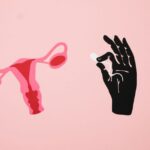
Most hormonal birth control works mainly by stopping the ovary from releasing an egg. Without ovulation, there is no egg to fertilize. Hormonal methods also thicken cervical mucus, which makes it harder for sperm to reach an egg, and thin the uterine lining.
The copper IUD works differently. It does not contain hormones. It releases copper ions that are toxic to sperm and change the uterine environment so fertilization is unlikely. Some evidence suggests it may also affect the egg or sperm before they meet, but its main action is preventing fertilization — not ending an established pregnancy.
This is a point worth clarifying, because it is often misunderstood: IUDs and emergency contraception do not cause abortion. They work before a fertilized egg implants.
What About Fertility Awareness And Withdrawal?
Fertility awareness methods track ovulation using body signs — such as basal body temperature, cervical mucus, and calendar calculations — to identify fertile and infertile days. When followed perfectly, some of these methods are more effective than commonly assumed. In typical use, effectiveness is much lower, largely because ovulation timing can shift and because the method requires daily tracking and periods of abstinence or backup protection.
Withdrawal (pulling out) is better than nothing, but it depends entirely on the person’s timing and self-control, and it offers no STI protection. Typical-use failure is relatively high.
Both approaches can work for highly motivated people who understand the commitment involved. They are not the easiest options for everyone.
Does Birth Control Protect Against STIs?
Only condoms — male and internal — reduce the risk of most sexually transmitted infections. Hormonal methods, IUDs, and permanent sterilization do not protect against STIs at all.
Many people use two methods at once: a highly effective method for pregnancy prevention plus condoms for STI protection. This is a common and reasonable approach.
What Should You Consider Before Choosing?
Several factors shape which method fits you best.
- Health history: Some methods are not recommended for people with certain conditions, such as migraines with aura, high blood pressure, blood clotting disorders, or a history of breast cancer. Estrogen-containing methods carry more restrictions than progestin-only ones.
- Smoking status: People over 35 who smoke are generally advised against combined hormonal methods because of cardiovascular risk.
- Plans for pregnancy: If you want children soon, a reversible method makes more sense than sterilization.
- Tolerance for side effects: Spotting, mood changes, and other effects vary widely between people and methods.
- How you’ll use it: Daily pills require routine. Implants and IUDs don’t.
Talk with a clinician who knows your history. Some methods require a prescription or a procedure; condoms and spermicide do not.
What If You Had Unprotected Sex?
Emergency contraception can reduce the chance of pregnancy if started soon after unprotected sex. Options include certain pills and the copper IUD, which is the most effective form of emergency contraception when placed within the recommended window. Effectiveness generally declines the longer you wait, so acting quickly matters.
Emergency contraception is not meant for routine use. If you find yourself needing it often, that’s a signal to revisit your regular method.
Frequently Asked Questions
What is the most effective birth control?
The implant and IUDs are the most effective reversible methods, with fewer than one in 100 users becoming pregnant in a year of typical use. Permanent methods like vasectomy and tubal ligation are slightly more effective but are intended to be permanent.
Can I get pregnant on birth control?
Yes, it is possible with any method, though the risk varies widely. Long-acting methods like implants and IUDs have the lowest failure rates, while methods that depend on daily or per-use action have higher typical-use failure rates.
Does birth control protect against STIs?
Only condoms reduce the risk of most sexually transmitted infections. Hormonal methods, IUDs, and sterilization do not protect against STIs at all.
How quickly does birth control start working?
It depends on the method. Implants and IUDs work immediately, while some hormonal methods may take up to a week to become fully effective. A clinician can tell you the specific timing for your method.
