
There is no drink, pill, or food that reliably prevents a hangover once you have been drinking heavily. The most effective approach is to limit how much alcohol you consume and to drink water alongside it. Everything else ranges from mildly helpful to unproven.
That answer is not satisfying, and it is the honest one. Hangovers are driven mainly by alcohol itself, plus dehydration, disrupted sleep, and byproducts of how your body breaks alcohol down. You cannot outsmart that biology with a greasy breakfast or a sports drink the next morning. But you can reduce the odds and the severity, and it helps to understand why.
What Actually Causes A Hangover?
A hangover is not one thing. It is several overlapping effects that build up as your body processes alcohol.
The main driver is acetaldehyde, a compound your body makes when it breaks down ethanol. Your liver converts alcohol into acetaldehyde first, then into acetate, which is mostly harmless. Acetaldehyde is the toxic middle step, and it is largely responsible for the headache, nausea, and general misery. Alcohol also causes you to urinate more, which pulls water and electrolytes out of your system. That contributes to thirst, dry mouth, and headache.
Alcohol disrupts sleep architecture too. You may fall asleep faster, but the deep and REM stages that restore you get fragmented. So you wake up tired even after eight hours. Alcohol also irritates the stomach lining, which is part of why nausea shows up. And it affects blood sugar, blood vessels, and inflammatory pathways in ways researchers are still mapping.
One clarification worth knowing: the severity of a hangover does not track perfectly with how drunk you got. Some people get hit hard after two drinks. Others feel fine after five. Genetics, body size, how fast you drink, and whether you ate all play a role.
Does Drinking Water Actually Prevent A Hangover?
Water helps, but it does not prevent a hangover on its own. Hydration addresses one piece of the puzzle — the fluid loss — not the whole thing.
Alcohol suppresses a hormone called vasopressin, which normally tells your kidneys to hold onto water. When that signal drops, you lose more fluid than usual. Replacing some of it with water between drinks and before bed can reduce headache and thirst the next day. But if you drink heavily, water will not neutralize the acetaldehyde or fix the sleep disruption.
Alternating each alcoholic drink with a glass of water is a reasonable habit. It slows your drinking pace, which matters more than most people realize, and it keeps you hydrated. Electrolyte drinks can help if you have been sweating or vomiting, but a standard sports drink is not a cure. There is no evidence that any specific electrolyte blend prevents hangovers.
Does Eating Before Or During Drinking Help?
Eating before you drink genuinely helps, and this is one of the better-supported steps. Food in your stomach slows how quickly alcohol reaches your bloodstream.
When you drink on an empty stomach, alcohol passes into your small intestine fast and hits your bloodstream quickly. A meal — especially one with protein and fat — keeps the stomach working longer, so alcohol is absorbed more gradually. That lower peak blood alcohol level usually means a milder hangover.
What you eat matters less than that you eat. There is no specific “hangover-prevention meal.” The old idea that a heavy, greasy breakfast cures a hangover is not supported. Eating the next morning can settle your stomach and raise low blood sugar, which may help you feel better, but it is treating symptoms, not preventing the hangover.




Do Congeners Make A Hangover Worse?
Yes, and this is one of the more consistent findings in hangover research. Congeners are compounds produced during fermentation and aging that give alcoholic drinks their flavor and color.
Drinks with more congeners tend to produce worse hangovers than clearer, more distilled drinks with the same alcohol content. Dark liquors like bourbon, whiskey, and red wine generally carry more congeners. Clear spirits like vodka and gin carry fewer.
This is why some people swear that certain drinks give them worse hangovers than others. They are not imagining it. The effect is real, though it is smaller than the effect of total alcohol consumed. If you are choosing between two drinks with the same alcohol content and want to lower your odds, the clearer one is the better bet.
What About Hangover Pills And Supplements?
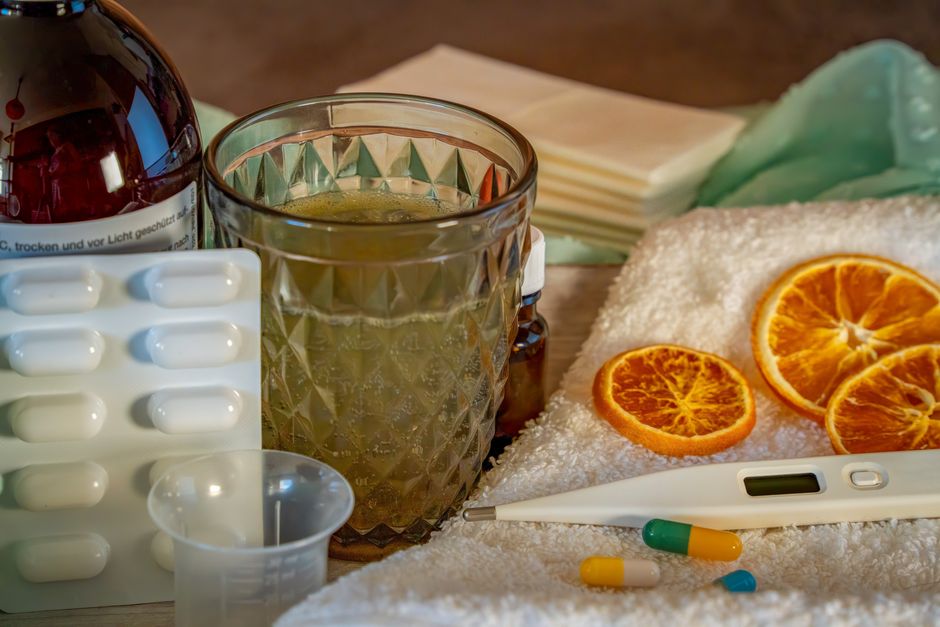
Most hangover products on the market are not supported by strong evidence. That is the plain truth, and it is worth saying clearly.
Some contain ingredients that have been studied, such as certain B vitamins, zinc, or plant extracts. Results have been mixed and often come from small studies. No product has been shown in large, well-controlled human trials to reliably prevent a hangover. Many are marketed with claims that outrun the science.
A few things are worth separating from the marketing noise:
- Pain relievers like ibuprofen before bed may reduce headache and inflammation, but taking them with alcohol can irritate the stomach, and acetaminophen (Tylenol) combined with alcohol raises the risk of liver damage. Do not take acetaminophen to prevent or treat a hangover after heavy drinking.
- B vitamins and electrolytes may help if you are deficient, but there is no strong evidence they prevent hangovers in well-nourished people.
- Any product claiming to “break down acetaldehyde” or “detoxify” your liver is making a claim that has not been confirmed in human trials.
If a supplement label promises a guaranteed cure, treat that as a red flag, not a selling point.
What Is The Most Reliable Way To Avoid A Hangover?
The most reliable method is to drink less, drink slower, and drink less often. This is not a moral statement. It is what the evidence shows.
Hangover risk rises with the amount of alcohol you consume and how fast you consume it. Blood alcohol concentration is the strongest predictor of whether you will feel bad the next day. Staying below the level that gets you intoxicated is the surest way to avoid a hangover.
Practical steps that are supported by reasonable evidence:
- Eat before and while you drink.
- Alternate alcoholic drinks with water.
- Choose drinks with fewer congeners if you have a choice.
- Pace yourself — sipping slowly lowers your peak blood alcohol level.
- Avoid drinking on an empty stomach or when you are already tired or dehydrated.
None of these is a guarantee. They lower your odds. The only way to be certain you will not have a hangover is not to drink enough to cause one.
Does Your Body Ever Build A Tolerance To Hangovers?
Not in a way that protects you. People who drink regularly may report fewer hangovers, but this usually reflects changes in how they drink or perceive symptoms rather than a true protective effect.
Regular heavy drinking can lead to dependence, and it raises long-term risks to the liver, heart, and brain. A reduced hangover is not a sign of health. If anything, it can be a warning sign that your body has adapted to a level of drinking that is harmful over time.
There is also a genetic angle. Some people, particularly those of East Asian descent, carry a variant that makes them flush and feel ill when drinking because they build up acetaldehyde faster. For them, even small amounts of alcohol can cause a reaction. This is not a hangover in the usual sense, but it is a sign the body is struggling to process alcohol.
When Should A Hangover Worry You?
A hangover is uncomfortable but usually passes within a day. Certain symptoms are not normal and need medical attention.
Seek help if you cannot keep fluids down, are vomiting repeatedly, have severe abdominal pain, confusion, a seizure, slow or irregular breathing, or a body temperature that is too low. These can be signs of alcohol poisoning, which is a medical emergency. Do not try to “sleep it off” if someone is unresponsive or breathing abnormally.
Also worth noting: if you find you need alcohol to feel normal, or you are drinking to avoid withdrawal, that is a medical issue, not a willpower problem. A doctor can help.
Frequently Asked Questions
Can drinking water before bed prevent a hangover?
Water helps with dehydration but does not prevent a hangover on its own. It reduces headache and thirst but does not address acetaldehyde buildup or disrupted sleep.
Do hangover pills actually work?
No product has been shown in large, well-controlled human trials to reliably prevent a hangover. Claims on most labels are not supported by strong evidence.
Does eating before drinking stop a hangover?
Eating before drinking slows alcohol absorption and lowers your peak blood alcohol level, which can reduce hangover severity. It does not prevent a hangover if you drink heavily.
Are some drinks worse for hangovers than others?
Yes. Drinks with more congeners, like dark liquor and red wine, tend to cause worse hangovers than clear spirits with the same alcohol content.
