
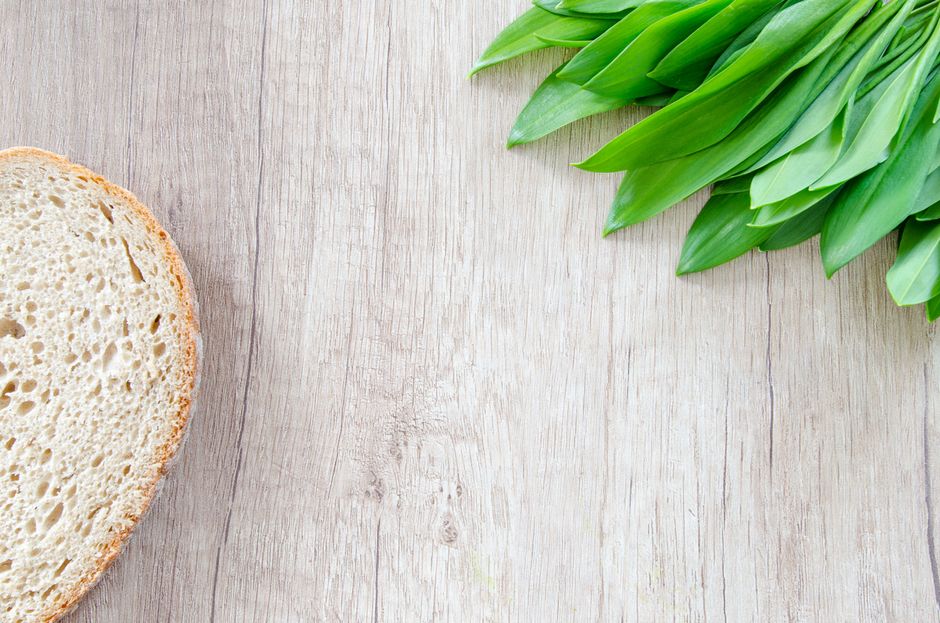
Wheat germ toast is made by toasting bread, spreading it with a thin layer of something moist, and sprinkling raw or lightly toasted wheat germ on top. Wheat germ is the nutrient-dense embryo of the wheat kernel, and it is perishable. Store an opened jar in the refrigerator or freezer, not the pantry, and use it within a few months. Toasted wheat germ keeps longer than raw and tastes nuttier.
That is the short version. The rest of this article covers what wheat germ actually is, how to add it to toast without ruining the texture, how much is reasonable to eat, and how to keep it from going rancid before you finish the jar.
What Is Wheat Germ, Exactly?
Wheat germ is one of three parts of the wheat kernel. The other two are the bran (the outer shell) and the endosperm (the starchy middle).
Whole wheat flour contains all three. White flour contains only the endosperm, which is why it has less fiber, fewer vitamins, and less fat. The germ is where the seed’s genetic material and much of its stored nutrition sit. It is also where most of the kernel’s fat lives, and that fat is the reason wheat germ spoils faster than flour.
Nutritionally, wheat germ is a concentrated source of several nutrients. A quarter-cup serving of crude wheat germ provides roughly 15 grams of protein and about 4 grams of fiber, according to USDA nutrient data. It also supplies vitamin E, folate, thiamine, zinc, magnesium, and phosphorus.
One clarification worth making: wheat germ is not the same as wheat bran. Bran is mostly insoluble fiber with very little protein or fat. Germ is higher in protein and fat and carries a different nutrient profile. They are sometimes sold side by side, and they are not interchangeable in recipes.
How Do You Make Wheat Germ Toast?
The method is simple, but the order matters. Wheat germ is a dry, sandy powder. If you sprinkle it onto dry toast, most of it slides off onto the plate.
The fix is a moist base. Something needs to hold the germ in place.
- Toast your bread to your preferred darkness.
- Spread a thin, even layer of a moist topping — nut butter, mashed avocado, hummus, ricotta, cottage cheese, Greek yogurt, or butter.
- Sprinkle 1 to 2 tablespoons of wheat germ over the top while the spread is still tacky.
- Press gently with the back of a spoon so the germ adheres.
- Add a second topping if you want — sliced banana, berries, honey, or a pinch of cinnamon.
Toasted wheat germ works the same way and adds a deeper, nuttier flavor. Some people prefer it on sweet toast and raw germ on savory toast. There is no rule here.
If you want the germ to blend rather than sit on top, stir it into the spread first. A tablespoon of wheat germ mixed into two tablespoons of peanut butter thickens the spread noticeably and creates a more uniform texture.
Does Toasting Wheat Germ Change It?
Toasting wheat germ changes its flavor and its shelf life. It does not meaningfully change the protein or fiber content.
Heat drives off moisture and triggers browning reactions that produce the nutty, toasted aroma. Less moisture means a longer window before the fats go rancid. That is the main practical reason to toast it.
To toast wheat germ at home, spread it in a thin layer on a dry skillet or baking sheet and heat over medium-low heat or in a 300°F oven, stirring frequently. It goes from golden to burnt quickly because the particles are small. Watch it the whole time. Two to five minutes is usually enough on the stovetop. Let it cool completely before storing.
Some vitamin loss occurs with heating, particularly for heat-sensitive nutrients like some B vitamins. The loss is not zero, but it is modest at these temperatures and short times. If maximizing vitamin content is your goal, use raw germ. If you want it to keep longer and taste better, toast it.




How Much Wheat Germ Should You Eat?
There is no official daily recommendation for wheat germ specifically. It is a food, not a supplement, and no regulatory body has set an intake target.
A common serving in recipes is 2 to 4 tablespoons per day. That range appears widely in cookbooks and food writing, not in clinical guidelines.
Two practical points matter more than the exact number.
First, wheat germ is high in fiber. Adding several tablespoons a day to a diet that was previously low in fiber can cause bloating, gas, or cramping. Increasing gradually over a week or two is easier on the gut than jumping straight in.
Second, wheat germ contains gluten. It is a wheat product. Anyone with celiac disease or a wheat allergy should avoid it entirely. People with non-celiac gluten sensitivity should follow their own clinician’s guidance.
Wheat germ also contains phytic acid, a compound that binds minerals like iron and zinc and can reduce how much your body absorbs from a meal. This is a real effect, but it matters most in diets that are already marginal in those minerals. For most people eating a varied diet, the mineral content of wheat germ outweighs the binding effect.
How Should You Store Wheat Germ?
Store opened wheat germ in the refrigerator or freezer. This is the single most important storage rule, and it is not optional if you want the product to stay good.
The reason is fat. Wheat germ oil is unsaturated and prone to oxidation. At room temperature, that oxidation accelerates and the germ turns rancid. Rancid wheat germ smells like old paint or stale oil and tastes bitter. It is not a safety emergency in small amounts, but it is unpleasant and the nutrients degrade.
Storage specifics:
- Unopened, sealed jar: the pantry is fine until the printed date, though cool and dark is better.
- Opened raw germ: refrigerator, tightly sealed, used within roughly two to three months for best quality.
- Opened toasted germ: refrigerator or freezer, and it holds quality longer than raw.
- Freezer: works well and does not require thawing before use. Scoop what you need and return the rest.
- Signs of spoilage: bitter taste, sharp or paint-like smell, or a color shift toward dark yellow or brown.
An airtight container matters as much as temperature. Oxygen is what drives the rancidity, so a loosely folded bag inside the fridge will still go stale faster than a sealed jar.
Raw vs. Toasted vs. Defatted Wheat Germ
Wheat germ is sold in three main forms, and they behave differently in the kitchen.
| Type | Fat content | Shelf life | Best use |
|---|---|---|---|
| Raw wheat germ | Full fat, naturally present | Shortest; refrigerate after opening | Smoothies, baking, stirred into spreads |
| Toasted wheat germ | Full fat, lightly reduced by heat | Longer than raw | Topping toast, yogurt, or oatmeal |
| Defatted wheat germ | Most fat removed | Longest; pantry-stable longer | Baking where you want less richness |
Defatted wheat germ has had most of its oil pressed out. It keeps far longer and has a more neutral flavor, but it also loses the vitamin E that lives in the oil. It is a reasonable choice if you bake with wheat germ often and do not want to manage refrigeration.
For toast specifically, toasted full-fat germ gives the best flavor and texture. The tradeoff is that you need to use it up faster.
Does Wheat Germ Have Proven Health Benefits?
Wheat germ is nutritious. Whether eating it produces measurable health outcomes is a separate question, and the evidence there is thinner than the marketing suggests.
What is well established: wheat germ is a source of protein, fiber, B vitamins, vitamin E, and minerals. Those are documented nutrient facts, not claims about disease prevention.
What is less established: that adding wheat germ to your diet lowers cholesterol, improves blood sugar, or prevents chronic disease. Some small studies have looked at wheat germ and wheat germ oil for various outcomes, including athletic performance and cholesterol. Results have been mixed, sample sizes have generally been small, and the findings have not been consistently replicated in larger trials.
Wheat germ oil in particular is heavily marketed for skin, athletic performance, and fertility. The evidence for those uses is limited. No large human trials have confirmed most of these claims.
The honest position is this: wheat germ is a real, nutrient-dense food that fits well into a balanced diet. It is not a treatment for anything, and no clinical evidence currently confirms that eating it produces specific health outcomes beyond general nutrition.
Can You Use Wheat Germ in Other Ways?
Yes, and a few methods work better than toast for people who do not like the texture.
- Stir a tablespoon into a smoothie or protein shake.
- Mix into pancake, muffin, or quick bread batter as a partial flour substitute — usually no more than a quarter of the flour, or the texture gets dense.
- Use as a coating for baked chicken or fish instead of breadcrumbs.
- Stir into hot cereal, yogurt, or cottage cheese.
- Sprinkle over salads for crunch.
In baking, wheat germ absorbs liquid, so batters made with it may need a little extra milk or water. Start with small substitutions and adjust.
Frequently Asked Questions
How long does wheat germ last after opening?
Opened raw wheat germ keeps best for about two to three months in the refrigerator. Toasted or defatted wheat germ holds quality longer than raw.
Do you have to refrigerate wheat germ?
Yes, once the jar is opened. The natural oils in wheat germ go rancid at room temperature, so refrigeration or freezing is the standard recommendation.
Can you put wheat germ on toast?
Yes, but spread something moist on the toast first so the germ sticks. Sprinkle 1 to 2 tablespoons over nut butter, avocado, or yogurt and press gently.
Is wheat germ the same as wheat bran?
No. Wheat germ is the nutrient-dense embryo of the kernel, while bran is the outer layer and is mostly fiber. They are different products with different nutrition.
