
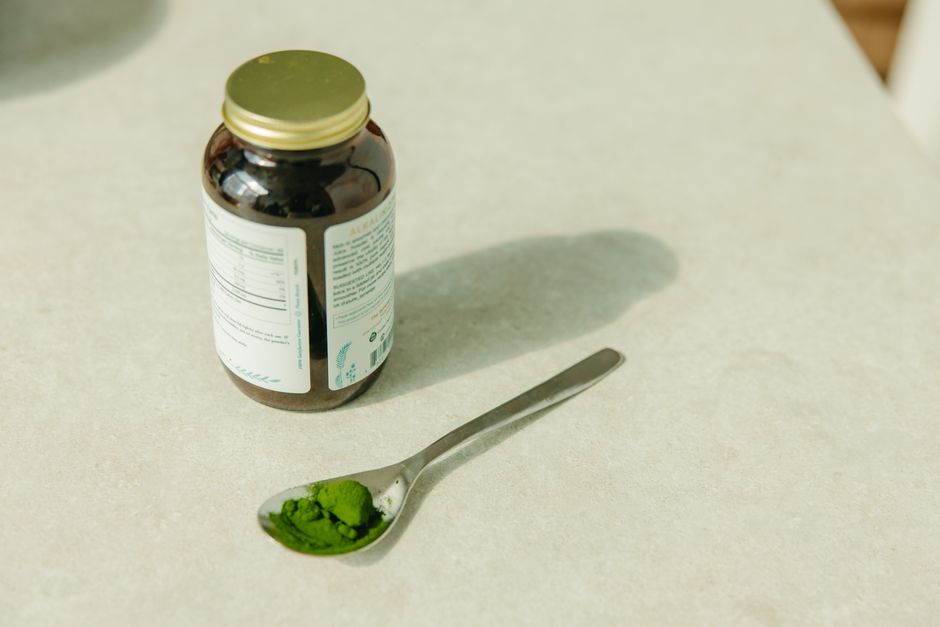
Making spinach powder at home is a simple process that takes fresh spinach and turns it into a shelf-stable ingredient you can use for months. The basic method involves washing the leaves, drying them completely, grinding them into a fine powder, and storing that powder in an airtight container away from light and heat. The most critical step is ensuring the leaves are bone-dry before grinding; any residual moisture will cause the powder to clump and grow mold.
Why Make Your Own Spinach Powder?
Homemade spinach powder gives you control over quality and cost. Store-bought powders can be expensive, and you never know the age of the produce used. Making it yourself lets you use fresh, local spinach at its peak nutrient content.
Spinach powder is versatile in the kitchen. You can add a teaspoon to smoothies, pasta dough, soups, or sauces to boost color and nutrition without altering the texture significantly. It is a practical way to preserve a large harvest of leafy greens that might otherwise wilt in the fridge.
The process takes a few hours of active time, mostly waiting for the leaves to dry. The result is a concentrated green powder that retains many of the vitamins and minerals found in fresh spinach, though some nutrients degrade during the drying process.
What You Need Before You Start
Gather your equipment before you begin. You will need fresh spinach, a salad spinner or clean kitchen towels, a food dehydrator or an oven, and a blender or spice grinder.
- Fresh spinach: Baby spinach or mature leaves both work. Avoid wilted or slimy leaves.
- Drying equipment: A food dehydrator is ideal because it uses low, consistent heat. An oven set to its lowest temperature also works.
- Grinding tool: A high-speed blender or a coffee grinder reserved for spices produces the finest powder.
- Storage container: An airtight glass jar with a tight-fitting lid is best.
No special skills are required. This is a straightforward preservation technique that has been used for decades in home kitchens.
Step-by-Step: How To Make Spinach Powder Dry Grind And Store It
Start by washing the spinach thoroughly. Spinach grows close to the ground and often carries grit and sand. Fill a large bowl with cold water and swish the leaves around. Lift them out and repeat with fresh water until no grit settles at the bottom.
Dry the leaves completely after washing. A salad spinner works well for this. If you do not have one, pat the leaves dry with clean kitchen towels. Any water left on the surface will slow the drying process significantly. Remove thick stems if you prefer, though they are edible and will grind fine.
Spread the leaves in a single layer on your dehydrator trays. Do not pile them up. If using an oven, place them on a baking sheet lined with parchment paper. Set the dehydrator to 125°F (about 52°C) or the oven to its lowest setting, ideally below 200°F (about 93°C). Higher temperatures destroy more of the heat-sensitive nutrients like vitamin C.
Drying time varies by method and humidity. In a dehydrator, expect 2 to 4 hours. In an oven, expect 1 to 3 hours. The leaves are ready when they crumble easily between your fingers and make a crisp cracking sound. They should feel like dry herbs, not leathery or pliable. Leathery leaves still contain moisture and will ruin your powder.
Let the dried leaves cool completely to room temperature. Warm leaves can create condensation inside your grinder or storage jar. This step takes about 15 minutes and is easy to skip, but do not skip it.
Grind the cooled leaves in small batches. A high-speed blender or spice grinder works best. Pulse for a few seconds, shake the container, and pulse again. Stop when the powder is fine and uniform. If you want an ultra-fine texture, sift the powder through a fine mesh strainer and grind the larger pieces again.
Store the powder immediately in an airtight glass jar. Squeeze out as much air as possible before sealing. Keep the jar in a cool, dark, dry place like a pantry shelf. Light and heat degrade the green color and reduce nutrient content over time.
Oven Drying vs. Dehydrator: Which Is Better?
A food dehydrator is the better tool for this job. It maintains a low, steady temperature with consistent airflow, which preserves more nutrients and produces a more even dry. Dehydrators are designed for exactly this purpose.
An oven works in a pinch but has drawbacks. Most home ovens do not go below 170°F (about 77°C), which is hotter than ideal. The airflow is also less consistent, so you need to rotate the baking sheet and check the leaves more frequently. Keep the oven door slightly ajar with a wooden spoon to let moisture escape.
Air drying at room temperature is not recommended for spinach. The leaves can mold before they dry completely, especially in humid climates. The low heat of a dehydrator or oven is necessary to remove moisture fast enough to prevent spoilage.
Microwave drying is also possible but difficult to control. Spinach can scorch or cook unevenly in a microwave. If you try it, use short bursts of 30 seconds and check frequently. Most home cooks find the oven or dehydrator easier and more reliable.
How To Store Spinach Powder So It Lasts
Proper storage is what separates a powder that lasts six months from one that molds in three weeks. The three enemies of dried greens are moisture, light, and oxygen.
An airtight glass jar is your best container. Glass does not absorb odors and is easy to clean. Mason jars with rubber seals work well. Plastic containers are acceptable but can absorb the strong green smell over time.
Keep the jar in a dark cabinet away from the stove or dishwasher. Heat and humidity from cooking areas accelerate spoilage. A pantry shelf away from the sink is ideal.
Do not store spinach powder in the refrigerator. The humidity inside a fridge is too high and can introduce moisture every time you open the door. The freezer is an option for long-term storage, but you must use an airtight container to prevent freezer burn. Frozen powder can last up to a year.
Check your powder monthly. If it clumps into hard balls, moisture has gotten in. If it smells musty or earthy in an unpleasant way, discard it. Fresh spinach powder has a mild, grassy smell and a vibrant green color. Dull brown or yellow powder is old and has lost most of its nutritional value.
Does Drying Destroy the Nutrients in Spinach?
Drying reduces some nutrients but not all. Vitamin C is the most heat-sensitive and degrades significantly during the drying process. Some research suggests that vitamin C losses can reach 50% or more in dried leafy greens.
Other nutrients survive better. Vitamin K, iron, magnesium, and dietary fiber are relatively stable during low-heat drying. The minerals in spinach are not destroyed by heat at all. Beta-carotene, which the body converts to vitamin A, is also fairly stable.
Drying actually concentrates the nutrients by weight. A teaspoon of spinach powder contains more minerals than a teaspoon of fresh spinach because the water has been removed. This makes the powder a convenient way to add concentrated nutrition to your meals.
The key is to use low heat. Higher temperatures and longer drying times increase nutrient loss. A dehydrator set to 125°F is gentler on nutrients than an oven set to 200°F. The faster the leaves dry without burning, the more nutrients remain.
How To Use Spinach Powder in Everyday Cooking
Spinach powder is mild in flavor and easy to incorporate into daily meals. Start with small amounts until you find the right balance for your taste.
Add a teaspoon to a fruit smoothie. The sweetness of the fruit masks the green flavor completely. This is the most common use and the easiest way to increase your vegetable intake.
Mix it into pasta dough for green noodles. Add a tablespoon per cup of flour and adjust the liquid slightly. The powder hydrates as the dough rests, so the texture evens out during kneading.
Stir it into soups, stews, or sauces. The powder dissolves quickly and thickens slightly. Add it in the last few minutes of cooking to preserve the color.
Bake it into breads, muffins, or crackers. The powder adds a subtle green tint and a mild earthy note. It works best in savory baked goods.
Do not use spinach powder as a substitute for fresh spinach in salads or cooked dishes. The powder is not a direct replacement. It is a nutritional supplement and a natural food coloring, not a vegetable side dish.
Common Mistakes and How To Avoid Them
The most common mistake is grinding the leaves before they are fully dry. Test a few leaves by crushing them in your hand. If they bend instead of shatter, they need more time in the dehydrator or oven.
Another frequent error is grinding too much at once. A blender packed full of dried leaves will not grind evenly. The blades spin in the center and leave the outer leaves whole. Work in small batches of one to two cups of dried leaves.
Storing the powder while it is still warm is a third mistake. Warm powder creates condensation inside the jar, which introduces moisture and leads to mold. Always cool the powder completely before sealing the container.
Using old or low-quality spinach is a fourth issue. Fresh, vibrant leaves produce bright green powder. Wilted or yellowing leaves produce dull, brownish powder with less nutritional value. Start with the best spinach you can find.
Frequently Asked Questions
Can I make spinach powder without a dehydrator?
Yes, you can use an oven set to its lowest temperature, ideally below 200°F, with the door slightly open. The process takes 1 to 3 hours and requires more attention than a dehydrator.
How long does homemade spinach powder last?
Stored in an airtight glass jar in a cool, dark place, homemade spinach powder lasts about 6 months. In the freezer, it can last up to a year.
Why is my spinach powder turning brown?
Browning means the powder is exposed to light, heat, or oxygen, which degrades the chlorophyll. Discard powder that has lost its green color, as it has also lost most of its nutritional value.
Can I use a regular blender instead of a spice grinder?
Yes, a high-speed blender works well for making spinach powder. Process in small batches and pulse in short bursts to achieve a fine, even texture.
