
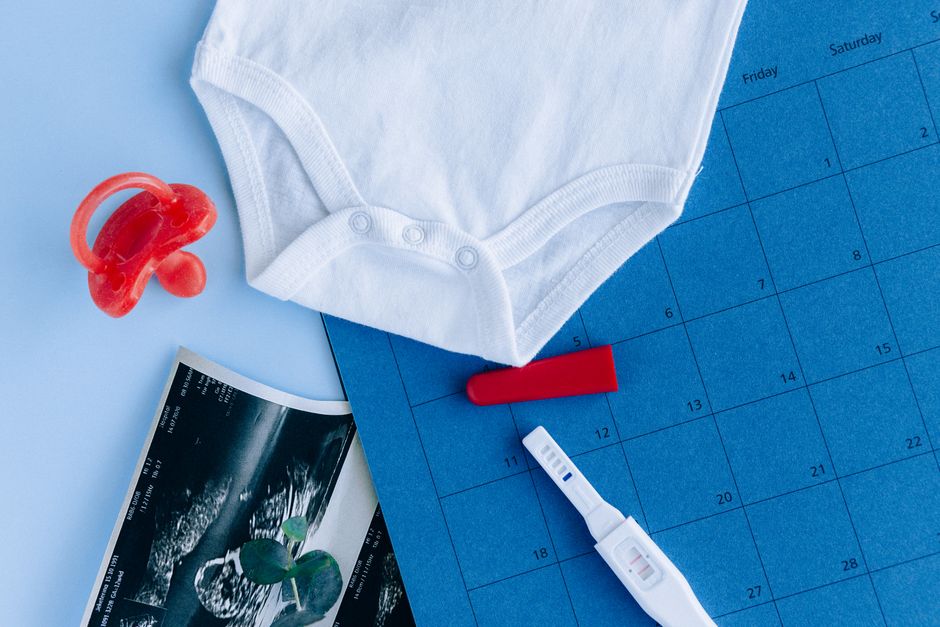
Preparing for parenthood starts long before the baby does. The most useful work happens in three areas: your health, your home, and your relationship. You do not need a perfect nursery or a full wardrobe of newborn clothes. You need a solid plan for the practical realities of caring for an infant, and you need to be honest with your partner about how your lives will change.
What Health Checks Should You Do Before Pregnancy?
A preconception visit with a clinician is the single most useful medical step you can take. This is not the same as a routine annual exam. The purpose is to review your health history, current medications, vaccinations, and any chronic conditions that could affect pregnancy.
Your clinician will likely review your immunization records. Rubella and varicella immunity matter because these infections can harm a developing baby. Blood type and Rh status are checked as a standard part of early prenatal care. If you have a family history of genetic conditions, your clinician may discuss carrier screening with you. This is a personal decision, not a requirement.
If you take medication for a chronic condition like high blood pressure, depression, asthma, or thyroid disease, do not stop it on your own. Some medications are safe in pregnancy. Others need to be switched before conception. This is a conversation to have with your clinician before you stop or change any prescription.
Your dental health also deserves attention. Gum disease has been linked to pregnancy complications, though the evidence does not prove causation. The practical point is simple: schedule a cleaning and address any cavities before pregnancy. Dental work during pregnancy is often delayed unnecessarily, but routine preventive care is safest before conception.
How Should You Change Your Diet and Supplements Before Conceiving?
Folic acid is the one supplement with strong evidence behind it. Taking 400 micrograms of folic acid daily for at least one month before conception and through the first trimester significantly reduces the risk of neural tube defects. Some clinicians recommend higher doses for women with certain risk factors, such as a previous pregnancy affected by a neural tube defect or use of certain anti-seizure medications. That decision belongs to your clinician.
Your overall diet matters more than any single food. A pattern of eating that includes vegetables, fruits, whole grains, lean protein, and healthy fats is a reasonable foundation. There is no evidence that any specific “fertility diet” improves your chances of conceiving. Some marketing claims suggest otherwise, and those claims are not supported by research.
Limit caffeine to under 200 milligrams per day once you are trying to conceive. That is about one 12-ounce cup of coffee. The evidence on caffeine and fertility is mixed, but the precaution is reasonable. Alcohol is a different story. There is no known safe amount of alcohol during pregnancy. If you are actively trying to conceive, the conservative approach is to stop drinking now rather than waiting for a positive test.
How To Prepare For Parenthood Before Baby Arrives Financially
Babies do not need to be expensive, but the costs add up quickly. Start by reviewing your health insurance plan. Understand your deductible, your out-of-pocket maximum, and what prenatal care and delivery will cost. Call your insurer directly. The details matter more than the marketing materials.
Check whether your employer offers parental leave and what it covers. The Family and Medical Leave Act provides 12 weeks of unpaid, job-protected leave for many workers, but it does not apply to everyone. Smaller employers and newer employees may not qualify. Know your situation before the baby arrives.
Build a savings cushion if you can. Even a modest emergency fund reduces stress when unexpected costs appear. Consider what baby items you actually need versus what you want. A safe place for the baby to sleep, a car seat that is properly installed, diapers, and feeding supplies are essentials. A changing table and a dedicated nursery are not.
If you have health insurance through the marketplace, pregnancy changes your qualifying life event status. You may be able to enroll or change plans outside the normal open enrollment period. This is worth checking as soon as you know you are pregnant.





What Does Your Partner Need To Know and Do?
Parenting is a two-person job when there are two parents in the home. The division of labor needs to be discussed before the baby arrives, not negotiated in the middle of the night with a crying infant. Talk about who will handle night wakings, who will cook, and how you will share household tasks.
Partners can attend prenatal appointments. This is not just symbolic. Hearing the clinician’s guidance directly reduces misunderstandings later. Partners should also learn the basics of newborn care: how to hold a baby, how to change a diaper, how to prepare a bottle, and how to recognize signs of illness.
Men should also pay attention to their own health. There is growing evidence that paternal health at conception influences the baby’s health. Smoking, heavy alcohol use, and poor diet in fathers have been associated with negative outcomes in offspring. The evidence is not as strong as for maternal health, but the direction is clear enough to act on.
Discuss your parenting values openly. How do you each feel about discipline, sleep training, feeding, and childcare? You will not agree on everything. That is normal. The goal is not perfect alignment. The goal is knowing where you stand before stress and exhaustion amplify small disagreements.
What Should You Buy and Set Up Before the Baby Arrives?
You need far less than the baby industry wants you to believe. The essential items are a car seat, a safe sleep space, diapers, wipes, feeding supplies, and a few outfits. Everything else is optional or can wait until you know what you actually use.
The car seat is non-negotiable. Hospitals will not let you leave without one properly installed. Many fire stations and police stations offer free car seat inspection. Take advantage of this service. Installation mistakes are common, even among experienced parents.
For sleep, the current guidance is clear: place the baby on their back on a firm, flat surface with no loose bedding, pillows, or stuffed animals. This is the safest sleep position and significantly reduces the risk of sudden infant death syndrome. A bassinet or crib that meets current safety standards is all you need. Crib bumpers and sleep positioners are not recommended and carry real risks.
Set up your support network before the baby comes. Identify friends or family members who can bring a meal, hold the baby while you shower, or run an errand. Accepting help is not weakness. It is how new parents survive the first weeks.
How Do You Prepare Emotionally for Parenthood?
The emotional preparation is harder than the practical preparation, and it gets less attention. You will lose autonomy. You will be tired in ways you have never experienced. You may not feel the immediate overwhelming love that movies portray, and that is normal. Attachment builds over time for many parents.
Perinatal mood and anxiety disorders affect a significant number of new parents. Both mothers and fathers can experience them. If you have a history of depression or anxiety, talk to your clinician about this before the baby arrives. Knowing the warning signs ahead of time helps you recognize when to seek help.
Warning signs include persistent sadness, loss of interest in things you used to enjoy, severe anxiety, trouble sleeping even when the baby sleeps, and thoughts of harming yourself or the baby. These symptoms warrant immediate professional attention. They are treatable, and seeking help is a sign of strength, not failure.
Your relationship with your partner will change. Research consistently shows that relationship satisfaction often declines after the birth of a first child. This is not inevitable, but it is common. Protecting time for each other, communicating openly about needs, and being willing to ask for help are practical strategies that make a difference.
Frequently Asked Questions
When should you start preparing for a baby?
Start preparing at least three months before you plan to conceive. This gives you time for a preconception health visit, medication adjustments, and supplement changes.
What is the most important thing to do before getting pregnant?
Schedule a preconception appointment with your clinician. This visit addresses medications, vaccinations, and health conditions that could affect pregnancy.
How much money should you save before having a baby?
There is no standard amount that fits everyone. Review your insurance coverage and parental leave first, then build an emergency fund based on your monthly expenses.
Do you need a nursery before the baby is born?
No. A safe sleep space in your room, a car seat, and feeding supplies are the essentials. A separate nursery can wait until the baby is older.
