
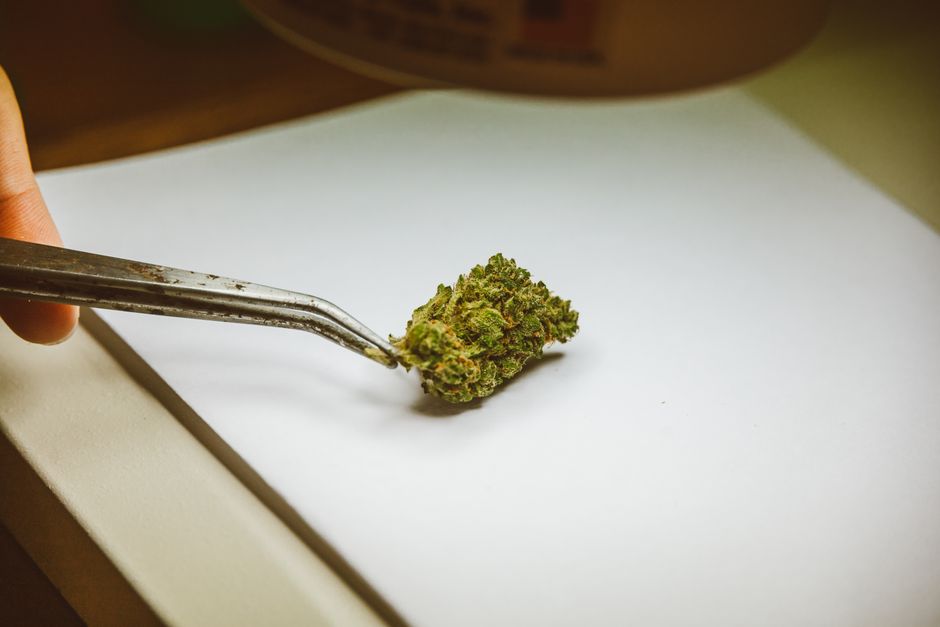
Walking into a store that sells cannabis products can be confusing. You might see one shop labeled as a CBD store and another as a marijuana dispensary. They look similar from the outside, but they serve very different purposes. The main difference comes down to what they are legally allowed to sell. A CBD dispensary focuses on hemp-derived products with low THC, while a marijuana store sells cannabis with higher THC levels that produce a psychoactive high.
What Is A Cbd Dispensary Vs A Marijuana Store?
The simplest answer is about the plant source and the law. CBD dispensaries sell products made from hemp. Hemp is defined by federal law as cannabis containing no more than 0.3% THC on a dry weight basis. Marijuana stores sell products from cannabis plants that contain more than 0.3% THC. This legal distinction shapes everything about these two types of businesses.
THC is the compound that makes you feel high. CBD does not produce that effect. A CBD store can sell oils, gummies, topicals, and capsules that contain meaningful amounts of CBD but only trace amounts of THC. A marijuana dispensary sells flower, edibles, concentrates, and other products with THC levels that can range from 10% to over 30%.
You do not need a medical card to buy from a CBD store in most places. Marijuana dispensaries operate under state-specific rules. Some states allow only medical marijuana. Others permit recreational sales to adults over 21. The legal status in your state determines which type of store you can visit and what you can buy there.
What Can You Actually Buy At Each Type Of Store?
CBD stores carry products aimed at everyday wellness. You will find tinctures, soft gels, topical creams, pet products, and beverages. These products are formulated to deliver CBD without the intoxicating effects of THC. Many people use them for anxiety, sleep support, or joint discomfort, though the evidence for these uses varies by condition.
Marijuana dispensaries offer a much wider range of products with different potencies. Flower for smoking or vaping is common. Edibles like gummies and chocolates are popular. You will also find vape cartridges, tinctures, and concentrates like wax or shatter. Dispensary staff can guide you on strain selection and dosing, which matters because THC affects people differently.
One important difference is product testing. Both types of stores should sell tested products, but the requirements differ. Marijuana states typically mandate rigorous lab testing for potency and contaminants. Hemp-derived CBD products face less consistent federal oversight, though many reputable brands test voluntarily through third-party labs.
What Are The Legal Differences Between CBD And Marijuana Stores?
The 2018 Farm Bill made hemp-derived CBD legal at the federal level. This created a booming market for CBD products sold outside of traditional dispensaries. You can now find CBD in grocery stores, pharmacies, and online. The legal status of marijuana remains a state matter. Some states have fully legalized it. Others permit only medical use. A few still consider it illegal entirely.
This patchwork of laws creates real confusion for consumers. A CBD product bought in one state might be perfectly legal to possess in another. Marijuana purchased legally in Colorado cannot legally cross state lines. The federal government still classifies marijuana as a Schedule I substance, which creates ongoing tension between state and federal law.
The THC content is the deciding factor. If a product has more than 0.3% THC, it is legally marijuana under federal law. This is why CBD stores carefully source their products from hemp growers. They need to stay under that threshold to remain compliant with federal regulations.



How Do The Products Differ In Effects?
CBD does not produce a high. It interacts with your body’s endocannabinoid system but does not bind strongly to the CB1 receptors in your brain that cause intoxication. Most people feel calm and relaxed after taking CBD, but they remain clear-headed and functional. Some report drowsiness at higher doses.
THC binds directly to CB1 receptors and produces the classic marijuana high. This can include euphoria, altered perception, increased appetite, and relaxation. For some people, THC causes anxiety or paranoia. The effect depends on the dose, the strain, and your personal tolerance. Edibles produce a more intense and longer-lasting high than smoking because the liver converts THC into a more potent form.
The right choice depends on your goal. If you want relief without intoxication, CBD is the clear option. If you are seeking the psychoactive experience or need stronger symptom relief, marijuana products might be more appropriate. Some people use both together. Research suggests CBD may temper some of THC’s anxiety-producing effects.
Are CBD Products From A Dispensary Different From Store-Bought CBD?
Yes, there can be meaningful differences. Marijuana dispensaries in legal states often carry CBD products made from whole cannabis plants. These are called full-spectrum products. They contain CBD along with other cannabinoids and terpenes from the plant. Some contain small amounts of THC, which may enhance the therapeutic effects through what researchers call the entourage effect.
Hemp-derived CBD from a regular store is also full-spectrum in many cases, but it must contain less than 0.3% THC. Some manufacturers strip out all THC to create isolate products. The quality varies widely across brands. A dispensary-bought CBD product from a regulated state has gone through mandatory testing. A CBD product from a gas station has not necessarily been verified by anyone.
Your safest approach is to buy from brands that provide third-party lab results. These certificates of analysis show you exactly what is in the product. Look for the amount of CBD and THC, plus tests for pesticides, heavy metals, and mold. Reputable companies make these reports easy to find on their websites.
Which Type Of Store Should You Visit?
Start with your goal. If you want to try CBD for stress, sleep, or mild discomfort, a CBD store is the right place. The products are legal nationwide, easy to access, and non-intoxicating. You can start with a low dose and adjust as needed. Many people find CBD helpful without any unwanted effects.
If you are looking for the traditional marijuana experience or need stronger symptom management, find a licensed dispensary in your state. Medical marijuana patients often have conditions like chronic pain, nausea from chemotherapy, or muscle spasticity. Recreational users are looking for relaxation or social enjoyment. Dispensary staff are trained to help you select products and doses.
There is overlap between the two. Many dispensaries sell high-CBD strains and products. Some CBD stores now sell products with up to 5 mg of THC per serving in states where that is legal. The lines are blurring as the market evolves. What matters most is knowing the THC content of what you buy and understanding how it will affect you.
Frequently Asked Questions
Can you buy CBD at a marijuana dispensary?
Yes, most dispensaries carry CBD products alongside THC products. These are often full-spectrum and may contain small amounts of THC.
Is CBD from a dispensary stronger than CBD from a store?
Not necessarily stronger, but dispensary products come from regulated cannabis and undergo mandatory testing. Quality control is more consistent in legal dispensaries.
Do you need a medical card to buy CBD?
No, hemp-derived CBD with less than 0.3% THC is legal nationwide without a card. Only marijuana products with higher THC require a medical card or adult-use status in your state.
Will CBD show up on a drug test?
Pure CBD should not trigger a positive result, but full-spectrum products contain trace THC that can accumulate. Some drug tests cannot distinguish between CBD and THC metabolites.
