
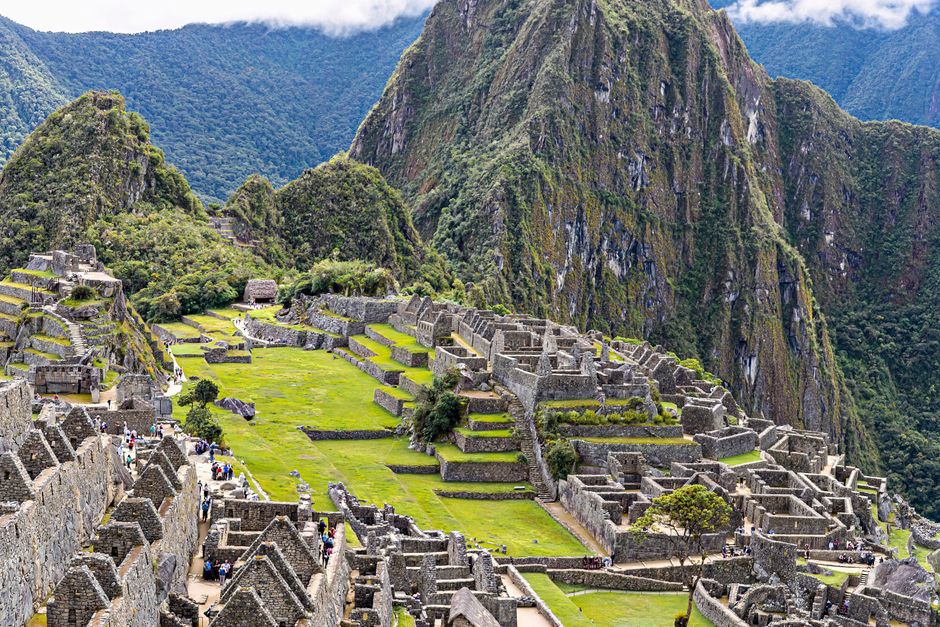
Machu Picchu sits at 7,972 feet above sea level. That is high enough to cause altitude sickness in many people. The real challenge is that you start in Cusco at 11,152 feet, which is even higher. The best way to prepare is to spend at least two full days in Cusco before heading to Machu Picchu. This gives your body time to adjust to the thinner air before you descend to the lower elevation of the ruins themselves.
What exactly causes altitude sickness at Machu Picchu?
Altitude sickness happens because the air has less oxygen at higher elevations. Your body needs time to produce more red blood cells to carry oxygen efficiently. When you go up too fast, your body struggles and you feel the effects.
The medical term is acute mountain sickness (AMS). It affects about 25 percent of people who travel from sea level to elevations above 8,000 feet. Most people flying directly to Cusco will feel some symptoms because the airport is over 11,000 feet high.
Your body needs roughly 24 to 48 hours to start adapting. This process is called acclimatization. It is not something you can speed up with pills or special drinks despite what some travel blogs claim.
How long should you spend in Cusco before visiting Machu Picchu?
Plan for at least two full days in Cusco before you go to Machu Picchu. Three days is even better if your schedule allows. This is the single most effective step you can take.
During these days keep your activity light. Walk slowly. Take naps. Drink water. Do not plan a city tour that involves climbing many stairs on your first day. Your body is working hard to adapt even when you are sitting still.
Many tour companies offer the classic four-day Inca Trail hike. That trek works well because you start at a lower elevation and gradually climb over several days. By the time you reach Machu Picchu your body has had days to adjust.
What medications help prevent altitude sickness?
Acetazolamide, sold under the brand name Diamox, is the most studied medication for preventing altitude sickness. Research consistently shows it reduces symptoms by about 50 percent in people who are prone to AMS.
Diamox works by making your blood slightly more acidic, which tricks your body into breathing faster. This increases oxygen intake and helps you acclimatize faster. The typical dose is 125 mg twice a day starting 24 hours before ascent and continuing for two days at high elevation.
Common side effects include tingling in your fingers and toes and a strange taste in your mouth especially with carbonated drinks. These are harmless but noticeable. Some people also need to urinate more frequently.
You need a prescription from your doctor. Most doctors are familiar with altitude sickness prevention and will prescribe it if you ask. Some evidence suggests ibuprofen can help with altitude headache specifically, though it does not prevent the full syndrome.
Dexamethasone is a steroid used for more severe altitude sickness. It is not recommended for routine prevention due to side effects. Save this for emergencies only.




How To Prepare For Machu Picchu Altitude Sickness with natural approaches
The most evidence-backed natural approach is slow ascent. Nothing replaces time. That is the honest answer.
Hydration matters but not in the way most articles claim. Dehydration does not cause altitude sickness. However, altitude can dehydrate you because you breathe faster and lose more water vapor. Drink when you are thirsty. Do not force excessive water intake, which can cause a dangerous condition called hyponatremia where your blood sodium drops too low.
Coca leaves are a traditional remedy in the Andes. Some people report that chewing coca leaves or drinking coca tea helps with mild symptoms. The evidence is mixed. Small studies suggest it may help with headache and fatigue, but there is no strong clinical trial data. It is culturally significant and generally safe to try, though it will show up on drug tests for cocaine metabolites.
Ginkgo biloba is widely claimed to prevent altitude sickness. As of 2026, the evidence does not support this. Multiple controlled trials found no benefit over placebo. Save your money.
Eating light meals and avoiding heavy fatty foods is common advice. The logic is that digestion requires oxygen, and your body has less oxygen available. Some people report this helps them feel better, but there is no strong clinical evidence behind it.
What symptoms should you watch for?
Mild altitude sickness feels like a bad hangover. Headache is the most common symptom. You may also feel nauseous, dizzy, tired, or have trouble sleeping. These symptoms typically start 6 to 12 hours after arriving at high elevation.
Most people with mild symptoms can continue their trip as long as they do not go higher. Rest, hydration, and over-the-counter pain relievers usually help. Symptoms should improve within 24 to 48 hours as you acclimatize.
Severe altitude sickness is rare but dangerous. Warning signs include confusion, trouble walking straight, shortness of breath at rest, and coughing up pink frothy fluid. These indicate high altitude pulmonary edema (HAPE) or high altitude cerebral edema (HACE). Both are medical emergencies requiring immediate descent and professional medical care.
If you or someone in your group shows these signs, go down immediately. Do not wait. Do not hope it passes. Descending even 1,000 to 2,000 feet can be lifesaving.
What should you pack for altitude at Machu Picchu?
| Item | Why It Helps |
|---|---|
| Diamox (if prescribed) | Reduces symptom severity by about half |
| Ibuprofen | Helps with altitude headache specifically |
| Water bottle | Easy hydration throughout the day |
| Sun protection | UV is stronger at altitude; sunburn worsens discomfort |
| Layers of clothing | Temperature swings from cold mornings to warm afternoons |
| Simple carbohydrate snacks | Easy to digest when appetite is low |
| Coca tea bags | Traditional remedy; culturally appropriate |
Do not bring oxygen cans. Portable oxygen cans are sold everywhere in Cusco but they provide very limited benefit. The effect lasts only minutes and does not help your body acclimatize. They are a waste of money for most people.
Does fitness level affect your risk of altitude sickness?
Being in good shape does not protect you from altitude sickness. This surprises many people who exercise regularly. Fitness and altitude adaptation are separate biological processes.
Some research even suggests fitter people may be at slightly higher risk because they push themselves harder and ignore early symptoms. Your body’s response to altitude is genetic. It has little to do with how many miles you run per week.
That said, being generally healthy helps you recover faster if you do get sick. And being well-rested before your trip is more important than being extremely fit. Sleep deprivation makes altitude sickness worse.
Can you train at altitude before your trip?
Living or training at moderate altitude for at least two weeks before your trip would help. But most people cannot do this practically. Sleeping in an altitude tent at home for a few nights before travel does not provide meaningful benefit. The exposure is too short.
Some athletes use intermittent hypoxic training, where they breathe reduced-oxygen air through a mask. The evidence for preventing altitude sickness in travelers is weak. These devices are expensive and not proven for this purpose.
The most practical pre-trip preparation is simply arriving early and taking it easy. There is no shortcut that matches the effectiveness of time.
What about the train ride to Machu Picchu?
The train from Cusco to Aguas Calientes, the town at the base of Machu Picchu, takes about 3.5 hours. The elevation drops from 11,152 feet in Cusco to about 6,700 feet in Aguas Calientes. This descent actually helps many people feel better.
Most visitors stay in Aguas Calientes the night before visiting the ruins. The town is at a lower elevation than Cusco, so you may sleep better. The bus ride up to Machu Picchu the next morning takes about 30 minutes and climbs to 7,972 feet.
If you felt fine in Cusco, you will likely feel fine at Machu Picchu since it is over 3,000 feet lower. If you struggled in Cusco, the descent to Aguas Calientes may give you relief, and you can still enjoy the ruins the next day.
What should you do if you start feeling sick during your visit?
Stop ascending immediately. If you are hiking, turn around and go down. Even descending a few hundred feet can provide relief.
Rest. Sit down. Drink water slowly. Take ibuprofen for headache if needed. Do not push through symptoms thinking you will adjust faster. That is not how acclimatization works. Pushing through can make things worse.
If symptoms are severe or getting worse, go to a lower elevation. The medical clinic in Aguas Calientes can evaluate you. If needed, they can provide oxygen or arrange transport to a lower hospital.
Most travel insurance policies cover altitude-related medical issues. Check your policy before you go. Emergency evacuation from remote areas of the Inca Trail can be expensive without insurance.
Frequently Asked Questions
Is it better to fly directly to Cusco or take the train from a lower elevation?
Flying directly to Cusco at 11,152 feet gives your body the biggest altitude shock. Arriving by train from a lower elevation like Ollantaytambo at 9,200 feet is gentler and reduces symptom risk.
Can children take Diamox for altitude sickness?
Diamox is not officially approved for children, but some doctors prescribe it off-label for kids over age 10 traveling to high altitude. Always consult a pediatrician familiar with altitude medicine before giving it to a child.
Does drinking alcohol make altitude sickness worse?
Yes. Alcohol dehydrates you and suppresses your breathing rate, both of which worsen altitude symptoms. Avoid alcohol for the first 48 hours after arriving in Cusco.
How common is severe altitude sickness at Machu Picchu?
Severe altitude sickness requiring medical evacuation is rare, affecting less than one percent of visitors. Mild to moderate symptoms affect about 25 percent of people who fly directly to Cusco.
