

Blood sugar support supplements are marketed heavily online, but the honest answer is that most do not work as claimed. A few have modest evidence from small studies, but none can replace diet, exercise, or prescribed medication for managing blood glucose. The science behind most of these products is thin, and marketing often oversells what the research actually shows.
How do blood sugar support supplements claim to work?
These supplements typically claim to lower blood sugar by improving insulin sensitivity, reducing carbohydrate absorption, or increasing glucose uptake in cells. Common ingredients include chromium, cinnamon, berberine, alpha-lipoic acid, and bitter melon. The proposed mechanisms are plausible in a lab dish, but translating that into a real-world effect in humans is far from guaranteed.
Many supplements also contain proprietary blends where the exact amount of each ingredient is hidden. This makes it impossible to know whether the dose is meaningful. Without that information, even if an ingredient has some evidence, you cannot confirm the product contains an effective amount.
What does the science say about common ingredients?
Berberine has the strongest evidence among supplement ingredients. Several small clinical trials have found that berberine can lower fasting blood sugar and hemoglobin A1c in people with type 2 diabetes. The effect is modest, roughly similar to some oral diabetes drugs, but the studies are small and short-term. Berberine also has side effects, especially digestive upset, and can interact with other medications.
Chromium is one of the most common ingredients. Some studies suggest chromium picolinate may produce a small drop in fasting glucose in people with diabetes, but the evidence is inconsistent. For people with normal blood sugar, chromium appears to have no meaningful effect. The National Institutes of Health describes the evidence for chromium and glucose control as mixed.
Cinnamon has been tested in dozens of small studies. Some show a slight reduction in fasting blood sugar, but many show no effect at all. When effects are seen, they are small and not clinically significant. Larger, better-designed trials generally find no benefit. The American Diabetes Association does not recommend cinnamon for blood sugar control.
Alpha-lipoic acid is an antioxidant that may improve insulin sensitivity in some studies, but the effect on actual blood sugar levels is minimal. It is more often studied for diabetic neuropathy than for glucose lowering.
Bitter melon, fenugreek, gymnema, and other botanicals have traditional use but very weak clinical evidence. A few small studies show minor effects, but the data are not strong enough to support routine use.
The key point: no supplement has been shown to lower blood sugar as effectively as lifestyle changes (diet and exercise) or standard diabetes medications. Claims that a supplement can “control” or “normalize” blood sugar are not supported by the evidence.
Are these supplements safe?
Because supplements are not regulated as drugs by the FDA, manufacturers do not have to prove safety or effectiveness before selling them. The FDA only steps in if a product causes harm after it is on the market. That means the safety profile of many blood sugar supplements is unknown.
Some known risks include:
- Drug interactions – Ingredients like berberine can affect how the liver processes medications, raising or lowering blood levels of drugs such as metformin, statins, and blood thinners.
- Hypoglycemia risk – If you take diabetes medication and add a supplement that actually lowers glucose, your blood sugar can drop to dangerous levels.
- Heavy metal contamination – Some herbal supplements have been found to contain lead, arsenic, or mercury, especially those imported without quality control.
- Digestive side effects – Berberine, cinnamon, and bitter melon frequently cause nausea, diarrhea, or cramping.
Pregnant and breastfeeding women should avoid most blood sugar supplements because safety data are absent. People with kidney or liver disease are also at higher risk.


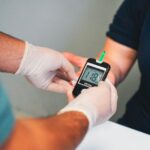


Do blood sugar support supplements really work when you already have diabetes?
If you have type 2 diabetes, the evidence is clear: lifestyle changes and medications are proven to lower blood sugar and reduce complications. Supplements cannot substitute for them. Some clinicians may recommend berberine as an add-on to standard therapy, but that is not a universal recommendation and should only be done under medical supervision.
No large, long-term trial has shown that any blood sugar supplement reduces the risk of heart attack, stroke, kidney disease, or blindness – the real complications of diabetes. Any product that claims to help you “manage diabetes naturally” without medication is misleading.
How can you choose a quality product if you decide to try one?
If you still want to try a supplement after discussing it with your doctor, look for third-party testing. Seals from USP, NSF International, or ConsumerLab indicate the product contains what the label says and is free of contaminants. Avoid products with proprietary blends that hide ingredient amounts. Verify that the dose of each active ingredient matches the doses used in published studies.
Be skeptical of products that list a long list of herbs – more ingredients does not mean better. Often these are “kitchen sink” formulas where each ingredient is present in a sub-therapeutic amount.
Keep in mind that even a quality product with berberine or chromium is unlikely to produce dramatic changes. A realistic expectation is a small reduction in fasting glucose – perhaps 5-15 mg/dL – not normalization of blood sugar.
What about people with prediabetes or normal blood sugar?
For people with prediabetes, the goal is to prevent progression to diabetes. Lifestyle changes – losing 5-7% of body weight, increasing physical activity, and eating a lower-carb diet – have strong evidence for reducing diabetes risk. Supplements have not been shown to prevent diabetes.
Some people take supplements hoping to prevent blood sugar spikes after meals. The evidence for that is weak. Eating protein and fiber before carbohydrates, walking after meals, and reducing portion sizes are proven strategies. A supplement cannot undo a high-carb meal.
For people with normal blood sugar, there is no evidence that taking any supplement for blood sugar support provides any health benefit. It may simply be a waste of money.
Conclusion – what the evidence really says
Blood sugar support supplements are not a shortcut to better glucose control. Berberine has the best evidence but is modest and comes with risks. Chromium and cinnamon have inconsistent results. Most other ingredients lack meaningful clinical support.
The honest answer to “Do blood sugar support supplements really work?” is this: for most people, no. For some people with diabetes, a few ingredients may produce a small additional benefit under medical supervision, but they are not a substitute for proven treatments. Save your money and focus on diet, exercise, and prescribed medications.
Frequently Asked Questions
Can blood sugar supplements cure diabetes?
No. No supplement cures diabetes. Diabetes is a chronic condition that requires ongoing management, and supplements are not a replacement for medical treatment.
What is the best supplement for lowering blood sugar?
Berberine has the most clinical evidence, but the effect is modest and it can cause side effects. Always consult your doctor before taking it.
Are blood sugar supplements safe for everyone?
No. They can interact with medications, cause side effects, and are not tested for safety in pregnant or breastfeeding women. Safety data is often lacking.
Do I need a prescription for blood sugar support supplements?
No, supplements are sold over the counter, but that does not mean they are risk-free. You should discuss any supplement with your healthcare provider, especially if you have diabetes or take medications.
