
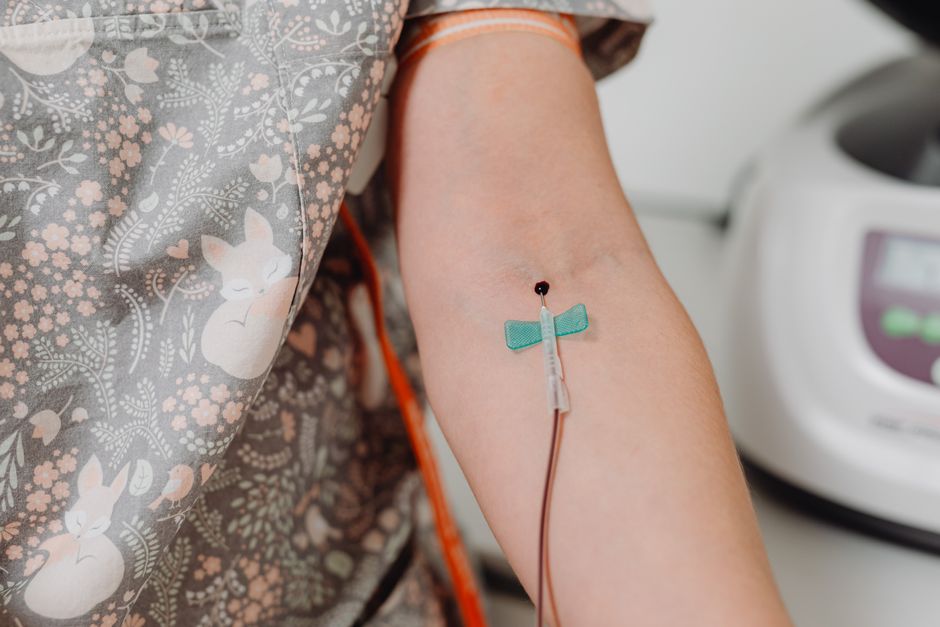
When your doctor orders blood work, the term eGFR can look like alphabet soup. It stands for estimated glomerular filtration rate. This number tells you how well your kidneys are filtering waste from your blood. Think of your kidneys as a coffee filter. The eGFR measures how much liquid passes through that filter each minute. A normal eGFR is typically 90 or above. Lower numbers mean the kidneys are working less efficiently. This simple blood test is the standard way doctors check kidney function.
What Is eGFR in Blood Work and How Is It Calculated?
eGFR is not measured directly. It is calculated using the amount of creatinine in your blood. Creatinine is a waste product from normal muscle breakdown. Healthy kidneys remove creatinine from the blood and send it to the urine. If the kidneys slow down, creatinine builds up in the blood.
The calculation includes your age, sex, and sometimes your race. The formula turns your creatinine level into an estimate of how many milliliters of blood your kidneys filter per minute. A normal result is 90 or higher. That means your kidneys are filtering at full capacity.
Your eGFR changes naturally with age. It is common for eGFR to drop slowly after age 60. A value of 60 or above is generally considered acceptable for older adults. The key is not a single number but the trend over time.
What Do the eGFR Numbers Mean?
The eGFR result falls into stages that describe kidney health. These stages are standardized and used by doctors worldwide.
- Stage 1: eGFR 90 or above with signs of kidney damage, such as protein in the urine
- Stage 2: eGFR 60-89 with signs of kidney damage
- Stage 3a: eGFR 45-59, mild to moderate loss of kidney function
- Stage 3b: eGFR 30-44, moderate to severe loss
- Stage 4: eGFR 15-29, severe loss of function
- Stage 5: eGFR below 15, kidney failure
An eGFR below 60 for three months or longer means chronic kidney disease. One low reading is not enough for a diagnosis. Your doctor will repeat the test to confirm the result is consistent.
An eGFR below 15 is a serious situation. This level means the kidneys have failed. Dialysis or a kidney transplant may be needed. However, many people never reach this stage because kidney disease is often caught earlier.
What Causes a Low eGFR?
Many conditions can lower your eGFR. The two most common causes are diabetes and high blood pressure. Both damage the tiny blood vessels inside the kidneys over time.
Other causes include:
- Infections that affect the kidneys
- Autoimmune diseases like lupus
- Enlarged prostate or kidney stones blocking urine flow
- Long-term use of certain pain medications called NSAIDs
- Family history of kidney disease
Sometimes a low eGFR is temporary. Severe dehydration can spike creatinine levels. Certain medications can do the same. A urinary tract infection can also distort the result. That is why doctors rarely diagnose kidney disease from one test alone.




Can You Improve Your eGFR?
The answer depends on why your eGFR is low. If a temporary issue caused the drop, fixing that issue can restore normal function. Treating dehydration with fluids often brings eGFR back to baseline. Stopping a problematic medication can also help.
For chronic kidney disease, the goal is to slow further decline. You cannot reverse scarred kidney tissue. But you can protect the function you have left.
Blood pressure control is the most important step. Keeping blood pressure below 130/80 reduces strain on the kidneys. For people with diabetes, tight blood sugar control prevents additional damage.
Dietary changes can help. Reducing sodium helps control blood pressure. Limiting protein may reduce the workload on damaged kidneys. But do not make major diet changes without talking to your doctor first. What is safe for one person may be harmful for another.
Some medications can protect the kidneys. ACE inhibitors and ARBs are blood pressure drugs that also reduce protein in the urine. Newer diabetes medications like SGLT2 inhibitors have been shown to slow kidney disease progression. Your doctor will decide if these are right for you.
What Symptoms Are Linked to Low eGFR?
Kidney disease is often called a silent condition. Most people feel fine until the kidneys have lost a large amount of function. Symptoms usually appear at stage 4 or 5.
When symptoms do appear, they may include:
- Swelling in the feet, ankles, or hands
- Fatigue and weakness
- Shortness of breath
- Loss of appetite
- Nausea
- Itchy skin
- Muscle cramps, especially at night
- Needing to urinate more often, especially at night
These symptoms are not specific to kidney disease. Many other conditions cause them too. That is why routine blood work matters. It catches kidney problems before symptoms appear.
How Often Should You Get Your eGFR Checked?
There is no single answer that fits everyone. For healthy adults with no risk factors, an annual physical may include a kidney function test. Your doctor decides based on your personal health.
People with diabetes or high blood pressure should have their eGFR checked at least once a year. Those with known kidney disease may need testing every three to six months. The frequency depends on how stable your numbers are.
If you take medications that affect the kidneys, your doctor may check eGFR more often. This includes certain blood pressure drugs, diuretics, and some antibiotics. Regular monitoring catches problems early.
What Else Should You Know About Your Kidney Health?
The eGFR is one piece of the picture. Your doctor will also look at other markers. A urine test checks for protein or blood. An ultrasound can show the structure of your kidneys. These tests together give a complete view.
Albuminuria is a key finding. It means protein is leaking into your urine. Even a small amount of protein with a normal eGFR can signal early kidney damage. This combination places you in stage 1 kidney disease.
Lifestyle choices matter for kidney health. Staying hydrated supports kidney function. Regular exercise helps control blood pressure and blood sugar. Avoiding tobacco reduces damage to blood vessels throughout the body, including the kidneys.
Be careful with over-the-counter pain relievers. Nonsteroidal anti-inflammatory drugs like ibuprofen and naproxen can harm kidneys when used regularly. Acetaminophen is generally safer for the kidneys, but it is hard on the liver in high doses. Always follow the dosing instructions on the label.
When Should You See a Kidney Specialist?
Your primary care doctor can manage early kidney disease. You may be referred to a nephrologist when your eGFR drops below 30. This is a doctor who specializes in kidney conditions.
A referral may also happen earlier if your kidney function is declining quickly. Or if you have significant protein in your urine. Or if your blood pressure is hard to control. These signs suggest the disease is more aggressive.
A nephrologist can offer more advanced testing and treatment options. They can help you plan for the future if kidney function continues to decline. Seeing a specialist early gives you more choices.
Frequently Asked Questions
What is a normal eGFR level?
A normal eGFR is 90 or above. Levels between 60 and 89 are common in older adults and may be normal for their age.
Can a low eGFR be temporary?
Yes. Dehydration, infections, and certain medications can temporarily lower eGFR. A repeat test is needed to confirm the result.
What foods should you avoid with low eGFR?
Foods high in sodium, potassium, and phosphorus may need to be limited. The specific restrictions depend on your individual lab results and should be discussed with your doctor or a dietitian.
Does drinking more water increase eGFR?
Drinking water helps if dehydration caused the low result. For chronic kidney disease, extra water does not improve kidney function and could be harmful in later stages.
