
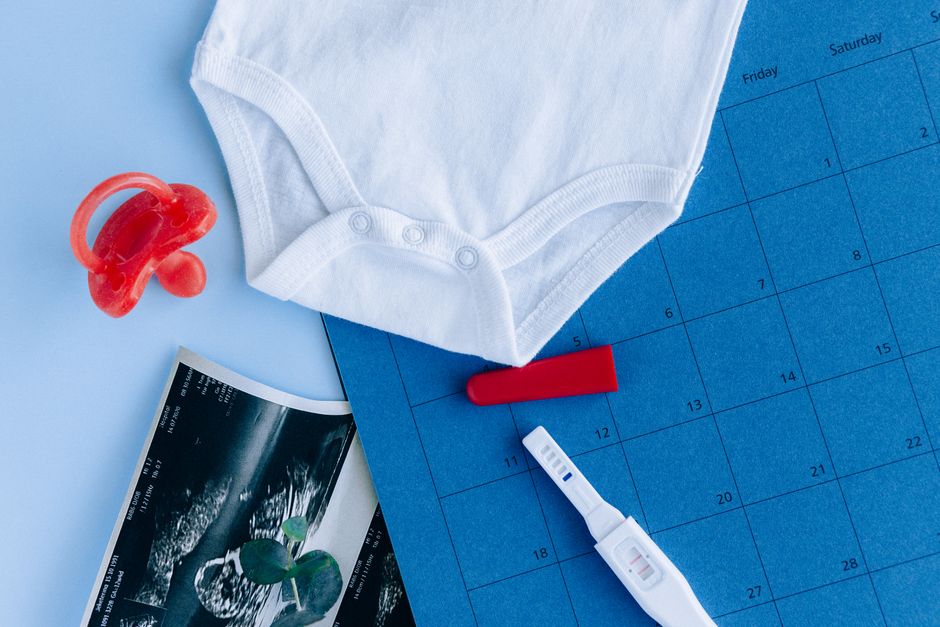
Planning for a baby starts long before a positive pregnancy test. The weeks and months before conception shape the health of your pregnancy and your baby. Preconception health is not about perfection; it is about making practical, evidence-based changes that improve your chances of a healthy outcome.
The core steps are straightforward: schedule a preconception checkup, start a daily prenatal vitamin with folic acid, review your medications, and address lifestyle factors like smoking, alcohol, and weight. These actions give you the best possible foundation before conception occurs.
Why Is Preconception Health Important?
Many pregnancy outcomes are influenced by conditions that exist before conception. Your blood sugar control, blood pressure, thyroid function, and nutrient levels all matter in the earliest days of pregnancy, often before you know you are pregnant.
The first weeks of fetal development are critical for the brain and spinal cord. The neural tube closes by day 28 after conception, which is often before a missed period. Folic acid must be in your system before that moment to prevent neural tube defects. This is why starting supplements before conception matters, not after a positive test.
When Should You Start Planning?
Ideally, start preparing three to six months before you want to conceive. This timeline gives you room to address health issues, adjust medications, and build healthy routines without rushing.
Some changes need more time. Quitting smoking, losing weight, or stabilizing a chronic condition like diabetes can take months. Starting earlier means you are not making major changes under pressure.
What Happens at a Preconception Checkup?
A preconception visit is a medical appointment focused on preparing your body for pregnancy. It is different from a routine physical because it reviews your health through the lens of fertility and fetal development.
During this visit, your clinician will review your medical history, current medications, vaccinations, and any previous pregnancy outcomes. They may check your blood pressure, weight, and order blood tests to check immunity to rubella and chickenpox, as well as screening for conditions like anemia or thyroid disease.
This visit is also the time to discuss any chronic conditions you manage. If you have diabetes, high blood pressure, epilepsy, or autoimmune disease, your medication plan may need adjustment before conception. Never stop a prescribed medication without talking to your doctor first, but do have that conversation before you try to conceive.




What Vitamins Should You Take Before Conception?
Folic acid is the most important supplement before pregnancy. The established recommendation is 400 micrograms of folic acid daily for at least one month before conception. This amount has been shown to significantly reduce the risk of neural tube defects.
A prenatal vitamin typically contains this amount along with iron, calcium, and vitamin D. Start taking it daily as soon as you decide to try to conceive. If you have a history of a baby with a neural tube defect, or if you take certain anti-seizure medications, your doctor may recommend a higher dose. That higher dose requires a prescription.
Vitamin D is also important for bone health and immune function. Most prenatal vitamins include it, but your doctor can check your levels if you have concerns. Iron helps prevent anemia, which is common in pregnancy and can cause fatigue and complications if untreated.
Which Medications and Substances Should You Review?
Review every medication you take, including over-the-counter drugs and supplements. Some medications are safe in pregnancy, some need a dose change, and some should be stopped before conception.
Common medications that may need review include blood pressure drugs, antidepressants, asthma medications, and acne treatments. Isotretinoin, a powerful acne drug, causes severe birth defects and must be stopped well before pregnancy. Do not stop any prescription without medical guidance, but schedule a medication review early in your planning.
Alcohol is the most clear-cut substance to eliminate. No amount of alcohol is known to be safe during pregnancy. Stopping alcohol completely when you start trying to conceive is the only way to protect against fetal alcohol spectrum disorders, because you may not know you are pregnant for several weeks.
Smoking affects fertility in both partners and harms fetal development. Quitting smoking is one of the most impactful steps you can take. Vaping and nicotine replacement products should also be discussed with your doctor, as nicotine itself has effects on fetal development.
How Does Weight Affect Conception and Pregnancy?
Weight influences fertility and pregnancy outcomes. Both underweight and overweight bodies face higher risks of complications.
Body mass index, or BMI, is a rough measure of body fat based on height and weight. A BMI in the normal range, roughly 18.5 to 24.9, is associated with the lowest pregnancy risks. A BMI of 30 or higher is linked to increased risks of gestational diabetes, high blood pressure, and cesarean delivery. A BMI below 18.5 is linked to low birth weight and preterm birth.
Weight loss before conception is more effective than weight loss during pregnancy. Even a modest weight loss of five to ten percent of body weight can improve ovulation and metabolic health. If you need to lose weight, start early and use sustainable methods. Crash diets are not appropriate before pregnancy.
What Should You Know About Diet Before Conception?
No single food or diet guarantees fertility. The evidence points to a generally balanced diet with plenty of vegetables, fruits, whole grains, lean protein, and healthy fats.
Limit processed foods, excess sugar, and trans fats. These are linked to poorer metabolic health, which can affect ovulation and egg quality. Focus on consistent, nutritious meals rather than strict rules.
Seafood is a good source of omega-3 fatty acids, which support fetal brain development. However, some fish are high in mercury, which can harm fetal development. Avoid high-mercury fish like shark, swordfish, king mackerel, and tilefish. Lower-mercury options like salmon, sardines, and trout are safe and beneficial.
Caffeine is a common question. Moderate caffeine intake, around 200 milligrams per day, is not linked to increased miscarriage risk. That is roughly one 12-ounce cup of coffee. High intake, over 300 milligrams daily, may be associated with increased risk, so keeping caffeine moderate is a reasonable approach.
How Does Age Affect Fertility and Planning?
Age is a major factor in fertility for women. Fertility peaks in the late 20s and begins to decline gradually after age 30, with a more noticeable decline after 35. By age 40, the chance of conceiving naturally each month is significantly lower than at age 30.
This does not mean pregnancy after 35 is impossible or automatically high-risk. Many healthy pregnancies occur at older ages. It does mean that if you are over 35 and have been trying to conceive for six months without success, guidelines suggest seeing a fertility specialist. Under 35, the typical recommendation is to try for one year before seeking help.
Male age also matters, though less dramatically. Sperm quality declines gradually with age, with some research suggesting increased risks of genetic abnormalities in offspring of older fathers.
What About Vaccinations Before Pregnancy?
Some infections are dangerous during pregnancy, and vaccination before conception is the best protection. Measles, mumps, rubella, and chickenpox vaccines are live vaccines and cannot be given during pregnancy.
Check your vaccination records before conception. If you are not immune to rubella, you need the MMR vaccine and must wait at least one month before trying to conceive. The chickenpox vaccine requires a similar waiting period.
The flu shot is safe and recommended during pregnancy, and the Tdap vaccine, which protects against whooping cough, is recommended during each pregnancy, usually in the third trimester. Your preconception visit is a good time to check your vaccine status.
How Do You Track Ovulation and Time Conception?
Understanding your cycle helps you time intercourse during your fertile window. The fertile window is about six days long, ending on the day of ovulation. Sperm can survive in the reproductive tract for up to five days, so intercourse in the days before ovulation can lead to conception.
For a regular 28-day cycle, ovulation typically occurs around day 14. But cycles vary, and ovulation timing is not predictable from calendar dates alone for many women. Ovulation predictor kits detect the surge in luteinizing hormone that precedes ovulation by about 24 to 36 hours.
Having intercourse every one to two days during the fertile window maximizes the chance of conception. Frequent intercourse throughout the cycle is also effective and reduces the pressure of timing.
How To Plan For A Baby Steps Before You Conceive: A Practical Checklist
Here is a summary of the key steps to take before conception:
- Schedule a preconception checkup with your healthcare provider
- Start taking a daily prenatal vitamin with 400 micrograms of folic acid
- Review all medications and supplements with your doctor
- Stop alcohol completely and quit smoking
- Achieve a healthy weight through sustainable diet and exercise
- Check vaccination status and update as needed
- Limit caffeine to about 200 milligrams per day
- Track your cycle and understand your fertile window
- Discuss any chronic conditions and get them well controlled
- Address mental health concerns, including anxiety or depression
Mental health is part of preconception health too. Untreated depression and anxiety can affect pregnancy outcomes and parenting. If you take psychiatric medication, discuss it with your doctor. Many medications are compatible with pregnancy, and stopping them abruptly can be harmful.
What If You Have Not Been Taking Folic Acid Yet?
Start today if you have not begun. The protective effect of folic acid builds as it reaches steady levels in your body, but starting now is still valuable. Many pregnancies are unplanned, and the neural tube closes very early, so any head start helps.
If you are already pregnant and have not taken folic acid, start now and do not worry about lost time. The most important thing is to begin.
Frequently Asked Questions
How long before trying to conceive should I start taking folic acid?
Start taking 400 micrograms of folic acid daily at least one month before you plan to conceive. This gives your body time to build protective levels before the neural tube closes early in pregnancy.
Should my partner also prepare before conception?
Yes. Male health affects sperm quality and fertility. Reducing alcohol, quitting smoking, eating well, and maintaining a healthy weight all support sperm health.
Can I drink coffee while trying to conceive?
Moderate caffeine intake up to about 200 milligrams per day, roughly one 12-ounce coffee, is not linked to increased risk. Higher intake may be associated with miscarriage risk, so keep caffeine moderate.
What if I am over 35 and trying to conceive?
Fertility declines with age, especially after 35. If you are over 35 and have been trying for six months without success, the general guidance is to consult a fertility specialist for evaluation.
