
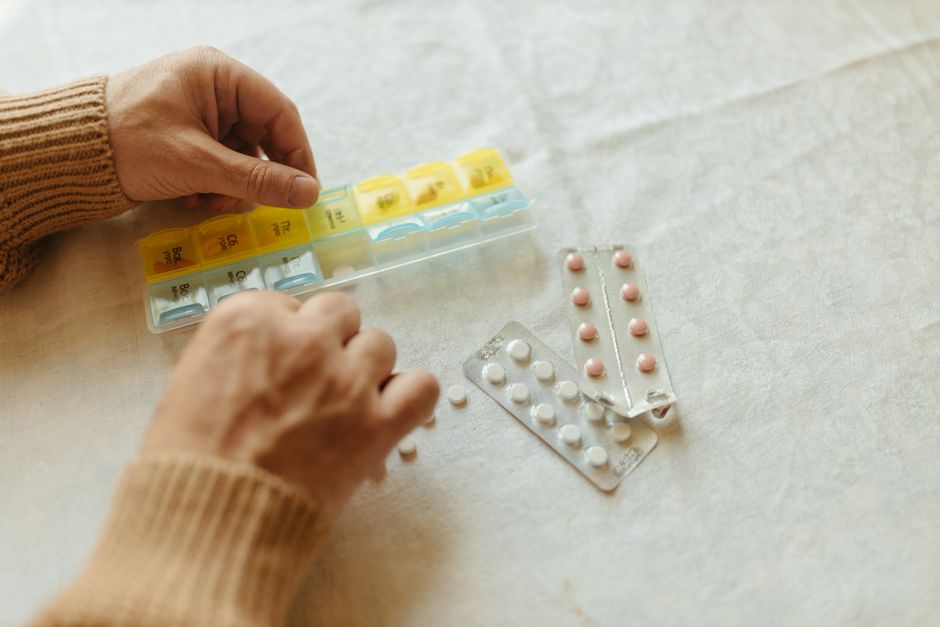
Plan B is a type of emergency contraceptive pill. It is meant to prevent pregnancy after unprotected sex or when another form of birth control fails. It is not an abortion pill. It works by delaying or stopping the release of an egg from the ovary. It contains a hormone called levonorgestrel. You can buy it at most pharmacies without a prescription. It is most effective when taken within 72 hours of unprotected sex.
How Does the Plan B Pill Actually Work?
Research shows that Plan B works primarily by stopping ovulation. Ovulation is when the ovary releases an egg. If there is no egg for sperm to meet, fertilization cannot happen. The pill uses a high dose of the hormone progestin to disrupt the normal hormonal signals that trigger ovulation.
Some older studies suggested Plan B might also prevent a fertilized egg from implanting in the uterus. The current body of evidence, including a major study published in the journal Obstetrics & Gynecology, indicates this is not a primary mechanism. The main action is delaying ovulation. If ovulation has already occurred, Plan B is much less effective. It will not disrupt an existing pregnancy.
This is a critical distinction. The pill has no effect on a pregnancy that has already implanted. It prevents a pregnancy from starting. It does not end one.
What Is Plan B Pill Effectiveness by Timing?
Timing is everything with Plan B. The effectiveness drops significantly with each passing hour. The FDA reports that when taken within 24 hours of unprotected sex, Plan B prevents about 95% of expected pregnancies. That number drops to about 85% when taken between 25 and 48 hours. It falls further to about 58% when taken between 49 and 72 hours.
The manufacturer states it can be taken up to 120 hours (5 days) after unprotected sex. However, the evidence for reliable effectiveness at that late stage is weak. Most research shows the pill becomes much less reliable after the 72-hour mark. If you are past three days, you may want to consider other options like the ella pill or a copper IUD, which remain effective for five days.
Body weight also plays a role. Studies have found that Plan B may be less effective for women with a BMI over 25. It may not work at all for women with a BMI over 30. This is not widely publicized, but the evidence is consistent. If this applies to you, a different emergency contraceptive like ella (ulipristal acetate) or a copper IUD is likely a better choice.
What Are the Side Effects of Plan B?
Plan B is a large dose of hormones. Side effects are common but usually short-lived. The most frequently reported ones include nausea, lower abdominal pain, fatigue, headache, and dizziness. Some women experience breast tenderness or changes in their next period.
Nausea is the most common side effect. It affects roughly one in four women. Vomiting is less common but happens. If you vomit within two hours of taking the pill, it may not have been absorbed. You should contact a healthcare provider or take another dose.
Your next period may come earlier or later than expected. This is normal. It can be lighter or heavier than usual. If your period is more than seven days late, take a pregnancy test. This is a sign that the pill may not have worked.
| Side Effect | How Common It Is | How Long It Lasts |
|---|---|---|
| Nausea | About 1 in 4 women | Usually less than 24 hours |
| Lower abdominal pain | About 1 in 5 women | Usually less than 24 hours |
| Fatigue | About 1 in 6 women | Usually less than 24 hours |
| Headache | About 1 in 6 women | Usually less than 24 hours |
| Changes to next period | Common | One cycle only |





How Is Plan B Different From the Abortion Pill?
This is where confusion is most common. Plan B is not the same as mifepristone or the abortion pill. They do completely different things. Plan B prevents ovulation. It works before a pregnancy starts. The abortion pill ends an existing pregnancy. It works after implantation has occurred.
Plan B contains levonorgestrel. It is a progestin-only hormone. The abortion pill regimen uses mifepristone and misoprostol. These drugs block the hormone progesterone and cause the uterus to contract. They are not the same medication. They are not used for the same purpose.
Major medical organizations including the American College of Obstetricians and Gynecologists (ACOG) and the FDA clearly distinguish between emergency contraception and abortion. Plan B is contraception. It prevents pregnancy. It does not terminate one. If you are already pregnant, Plan B will not harm the pregnancy or end it.
What Are Common Misconceptions About Plan B?
One of the most persistent myths is that Plan B causes long-term fertility problems. This is false. Research shows no link between taking emergency contraception and future infertility. The hormones are a one-time dose. They leave your body within days. They do not affect your ability to get pregnant later.
Another myth is that Plan B works like a regular birth control pill. It does not. It is not designed for regular use. It contains a much higher hormone dose than daily birth control pills. Using it frequently can disrupt your menstrual cycle and cause irregular bleeding. It is not as effective as regular contraception for preventing pregnancy over time.
Some people believe Plan B is effective no matter what day of your cycle you take it. This is not true. The pill only works if you have not yet ovulated. If you are near ovulation or have already ovulated, Plan B may not prevent pregnancy. This is why it is not a replacement for regular birth control methods like the pill, patch, ring, or IUD.
When Should You Take a Pregnancy Test After Plan B?
You should take a pregnancy test if your next period is more than seven days late. This is the standard medical advice from ACOG. Plan B can change the timing of your period by up to a week. If it has been a week past your expected date and no period has started, a test is warranted.
Some women experience spotting or light bleeding after taking Plan B. This is not a period. It is a common side effect from the hormone surge. Do not mistake this for a normal period. Wait for your actual menstrual period or take a test if you are unsure.
Home pregnancy tests are reliable about two weeks after unprotected sex. If you test negative but still have not gotten your period after another week, test again. If you continue to have a negative test but no period, see a healthcare provider. There may be another reason for the delay unrelated to pregnancy or Plan B.
Frequently Asked Questions
Can I take Plan B while on birth control?
Yes, you can take Plan B even if you are on regular birth control. It will not interfere with your ongoing method, but it may cause some irregular bleeding.
Does Plan B cause weight gain?
No. There is no evidence that a single dose of Plan B causes weight gain. This is a common myth with no research to support it.
Can I take Plan B twice in one cycle?
Yes, but it is not recommended as a regular practice. Taking it multiple times in one cycle can disrupt your cycle and cause unpredictable bleeding.
How long does Plan B stay in your system?
The hormones from Plan B leave your body within a few days. It does not build up in your system or have long-term effects.
