
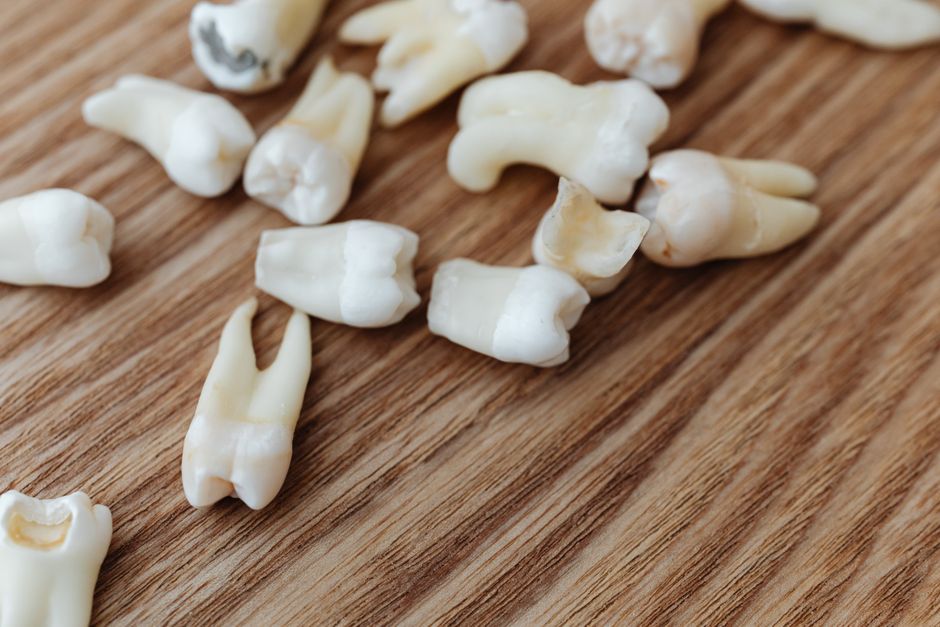
Tooth enamel is the hardest substance in your body, but it cannot grow back once it is gone. Stopping enamel decay before it gets worse means you must act on the process that is already happening. The short answer is: you need to stop the acid attacks that dissolve your enamel, help your mouth remineralize the weakened areas, and see a dentist for any cavities that have already formed. Remineralization can reverse very early decay, but once a cavity forms, only a dentist can fix it.
What Exactly Is Enamel Decay?
Enamel decay is not a single event. It is a process that happens over time. Your enamel is made of tightly packed mineral crystals, mostly hydroxyapatite. These crystals are strong but vulnerable to acid.
When you eat or drink something with sugar or starch, bacteria in your mouth feed on those particles and produce acid. That acid pulls minerals out of your enamel. This is called demineralization. Your saliva can put those minerals back, which is called remineralization. Decay happens when demineralization wins too often.
At first, the enamel just loses some minerals. It may look like a white spot on the tooth. That spot is not a cavity yet. It is a warning sign. If the acid attacks continue, the enamel surface breaks down and a cavity forms. Once that hole appears, the damage is permanent. Enamel has no living cells. It cannot heal itself like skin or bone.
How To Stop Enamel Decay Before It Gets Worse
The key question is where you are in the decay process. If you have white spots or sensitivity, you may still be in the reversible stage. If you see a visible hole or feel a sharp edge with your tongue, you need a dentist.
For the reversible stage, the goal is to shift the balance toward remineralization. You do this by reducing acid exposure and giving your enamel the minerals it needs. Fluoride is the most proven tool for this. It helps your enamel resist acid and attracts calcium and phosphate back to the tooth surface. Many toothpastes and mouth rinses contain fluoride. Prescription-strength fluoride from your dentist is even stronger.
For the irreversible stage, no home treatment will close a cavity. The decay has broken through the enamel into the softer dentin underneath. Bacteria are inside the tooth. The only way to stop it from getting worse is to have a dentist remove the decayed tissue and place a filling. Delaying this allows the decay to reach the nerve, which causes pain and may require a root canal or extraction.
Does Remineralization Really Work?
Yes, but only under the right conditions. Remineralization can reverse the earliest stage of decay, which is the white spot lesion. This is well established in dental research. The enamel surface is still intact, just weakened. Given the right environment, minerals can redeposit into that area and harden it again.
The conditions needed are: low acid levels in the mouth, enough calcium and phosphate available, and the presence of fluoride to speed up the process. Your saliva naturally contains calcium and phosphate. When your mouth pH is neutral, those minerals stay in the saliva and can move back into the enamel. When your mouth is acidic, the opposite happens — minerals leave the enamel.
Products that contain casein phosphopeptide-amorphous calcium phosphate, or CPP-ACP, are another option. These are sometimes sold as “MI Paste” or similar brands. Some studies suggest they help remineralize early lesions. The evidence is not as strong as for fluoride, but it is promising for people who cannot tolerate fluoride or want an additional tool.



What About Sugar and Acid in Your Diet?
This is the most direct cause of enamel decay, and it is also the area where people get confused. It is not just how much sugar you eat. It is how often you eat it and how long it stays on your teeth.
Every time you eat sugar or starch, your mouth stays acidic for about 20 to 30 minutes. If you sip a sugary drink all afternoon, your mouth stays acidic for hours. That is far worse than eating a dessert once and letting your saliva clean up afterward. Frequency matters more than total amount.
Acidic foods and drinks also damage enamel directly. Citrus fruits, soda, wine, and sour candies have a low pH that can dissolve enamel on contact. This is called erosion, and it is different from decay caused by bacteria. Erosion thins the enamel and makes it easier for bacteria to start decay.
One practical strategy is to avoid brushing your teeth immediately after an acid exposure. Acid softens the enamel surface. Brushing while it is soft can remove microscopic layers of enamel. Instead, rinse your mouth with water or wait at least 30 minutes before brushing.
What Role Does Saliva Play?
Saliva is your mouth’s natural defense system. It washes away food particles, neutralizes acid, and supplies minerals for remineralization. People with dry mouth, a condition called xerostomia, have much higher rates of enamel decay. This is common with certain medications, aging, or medical treatments like radiation for head and neck cancer.
If you have dry mouth, stopping enamel decay becomes harder. You may need to use artificial saliva products, chew sugar-free gum to stimulate saliva flow, or use prescription fluoride treatments more aggressively. Your dentist can help determine the best approach for your situation.
Can Toothpaste Alone Stop Enamel Decay?
Toothpaste is a tool, not a solution. Brushing twice a day with a fluoride toothpaste helps remove plaque, which is the sticky film of bacteria on your teeth. Plaque traps acid against the enamel. Removing it reduces acid exposure. But toothpaste alone cannot reverse decay that has already progressed.
Some toothpastes contain higher levels of fluoride or additional ingredients like stannous fluoride or nano-hydroxyapatite. Stannous fluoride has some evidence that it helps with enamel hardening and reducing sensitivity. Nano-hydroxyapatite is a synthetic form of the mineral in your enamel, and some studies suggest it can help fill in microscopic defects. The evidence is still building, and it is not yet clear if it works as well as fluoride for remineralization.
If you choose a non-fluoride toothpaste for personal reasons, you are removing the most proven remineralization tool available. That is a real trade-off. Make that choice with full awareness of what you are giving up.
Do Home Remedies Like Oil Pulling Work for Enamel Decay?
Oil pulling involves swishing oil, usually coconut oil, in your mouth for 15 to 20 minutes. This is widely claimed to remove toxins and improve oral health. However, there is no clinical evidence that oil pulling can stop enamel decay or reverse cavities. It may reduce plaque and bacteria in the mouth to some degree, but it does not supply the minerals needed for remineralization.
Some people report that their teeth feel cleaner after oil pulling. That is likely true. But feeling cleaner is not the same as stopping decay. If you use oil pulling, do not replace brushing with fluoride toothpaste or regular dental visits. Use it as an addition, not a replacement.
When Should You See a Dentist?
You should see a dentist at least once a year, and ideally every six months. A dentist can spot early decay that you cannot see or feel. They can apply fluoride varnish, which is much stronger than over-the-counter products. They can also take X-rays to find decay between teeth, which is a common place for cavities to start.
If you have any of these signs, you should see a dentist sooner rather than later:
- Tooth sensitivity to hot, cold, or sweet things that lasts more than a few seconds
- A visible hole or dark spot on a tooth
- Pain when biting down
- A persistent bad taste in your mouth that you cannot explain
Waiting only makes things worse. A small filling today is far simpler and cheaper than a root canal or extraction later.
What About Fluoride in Water?
Community water fluoridation is one of the most studied public health measures in history. Research consistently shows that fluoride in water at the recommended level of 0.7 mg/L reduces cavities by about 25% in children and adults. It works by providing a low, constant level of fluoride in the mouth throughout the day, which supports remineralization.
If you drink only bottled or filtered water, you may not get this benefit. Some home water filters remove fluoride. Check your filter’s specifications. If you are concerned about fluoride intake, talk to your dentist rather than relying on general advice. The evidence for its safety and effectiveness at the levels used in public water systems is strong.
Frequently Asked Questions
Can you reverse enamel decay at home?
You can reverse the earliest stage of decay, called a white spot lesion, by remineralizing the enamel with fluoride and reducing acid exposure. Once a cavity forms, you cannot reverse it at home and need a dentist.
Does coconut oil stop tooth decay?
There is no clinical evidence that coconut oil stops tooth decay. It may reduce plaque and bacteria, but it does not remineralize enamel or close cavities.
How long does it take for enamel to remineralize?
Remineralization of early white spot lesions can take several weeks to a few months with consistent use of fluoride and good oral hygiene. Deeper lesions may not fully remineralize.
Is fluoride safe for adults?
Yes, fluoride is safe for adults at the levels found in toothpaste, mouth rinse, and community water. Excessive intake over many years can cause dental fluorosis, but this is primarily a concern during childhood tooth development.
