
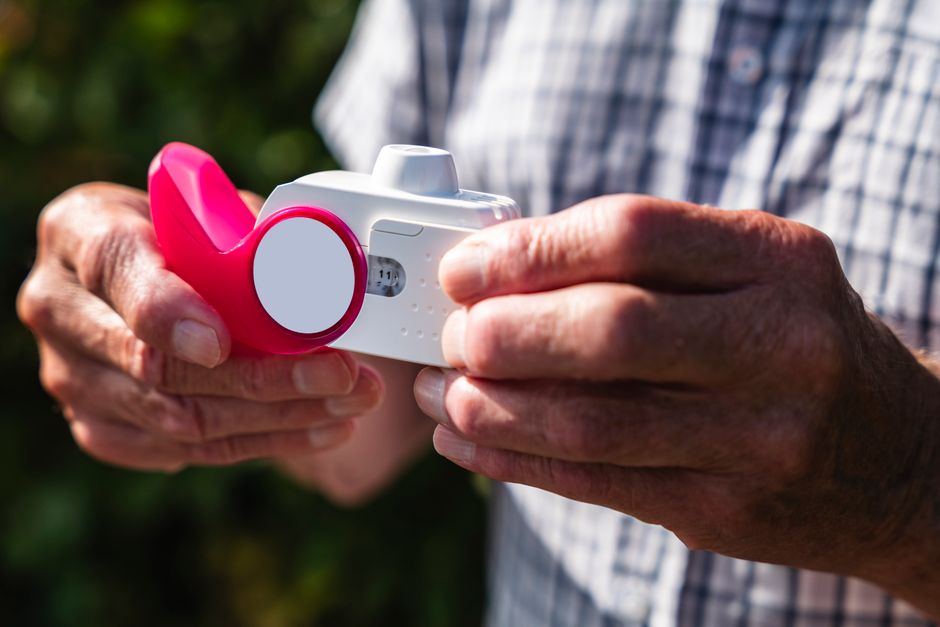
You cannot “pass” a pulmonary function test in the way you pass a driver’s exam. There is no score to beat and no prize for trying harder. A pulmonary function test measures how well your lungs move air, and the goal is to get accurate numbers, not good ones. The best way to do that is to prepare properly, follow the technician’s instructions closely, and give a full, honest effort on every breath.
That single idea explains almost everything about the test. PFTs are effort-dependent. The machine only records what your lungs do when you push air as hard and as completely as you can. If you are rushed, sick, or unsure what to do, the numbers may not reflect your true lung function. Preparation and technique matter more than any trick.
What Is a Pulmonary Function Test and What Does It Measure?
A pulmonary function test is a group of breathing tests that measure how much air your lungs can hold and how quickly you can move it in and out. The most common version is spirometry, which captures two key numbers: forced vital capacity (FVC) and forced expiratory volume in one second (FEV1).
FVC is the total amount of air you can blow out after a deep breath. FEV1 is how much of that air you force out in the first second. The ratio between them helps clinicians tell whether a breathing problem is obstructive (like asthma, where airways narrow) or restrictive (where the lungs cannot expand fully).
Other tests may be added depending on the question being asked:
- Spirometry — the basic blow test described above
- Bronchodilator response — a repeat test after inhaling a medication that opens airways
- Lung volumes — total lung capacity and residual volume, often measured in a body plethysmograph booth
- Diffusing capacity (DLCO) — how well oxygen passes from your lungs into your blood
- Six-minute walk test — measures how far you can walk and how your oxygen levels respond
Each test answers a different question. Your doctor orders the ones that match your symptoms.
How Do You Prepare for a Pulmonary Function Test?
Preparation starts days before the appointment, not in the exam room. The most important step is talking to your doctor about your medications, because some can change your results.
Bronchodilators are the main concern. Short-acting inhalers like albuterol are often held for several hours before testing, and long-acting ones may be stopped for longer. The exact timing depends on the specific drug and why you are being tested. Do not stop any medication on your own. Call the office that ordered the test and ask what they want you to do.
Other practical steps that help:
- Avoid a heavy meal right before the test. A full stomach makes it harder to take deep breaths.
- Skip caffeine for a few hours beforehand. It can affect how airways behave.
- Do not smoke on the day of the test. Smoking temporarily changes airway function.
- Wear loose, comfortable clothing that does not restrict your chest or belly.
- Skip strenuous exercise right before the appointment.
- Bring a list of all your medications, including inhalers, and their doses.
If you have a cold, flu, or active respiratory infection, tell the office. Testing while sick can produce misleading results, and they may want to reschedule.
How To Pass A Pulmonary Function Test: What the Technician Needs From You
The single biggest factor in getting a valid test is your effort and technique. The technician will coach you through each breath, and following those instructions precisely is what produces usable results.
For spirometry, the sequence usually goes like this. You sit upright. You put a clip on your nose so all air moves through the mouthpiece. You take a deep breath in, seal your lips around the mouthpiece, then blow out as hard and as long as you can — usually for at least six seconds, sometimes longer. The technician may urge you to keep going when you feel empty. That last push matters because it captures your full FVC.
A few things that commonly go wrong:
- Not sealing the lips. Air leaking around the mouthpiece lowers your numbers.
- Stopping too early. Many people quit before their lungs are truly empty.
- Not inhaling fully first. A shallow starting breath limits how much you can blow out.
- Coughing or hesitating. These can invalidate a trial.
- Feeling self-conscious. The test looks and sounds odd. That is normal, and it does not matter.
You will usually repeat the maneuver at least three times. The machine needs several acceptable efforts to confirm the results are reliable. This is not a sign you did something wrong. It is how the test is designed.
If you feel dizzy or lightheaded, tell the technician. It is a common response to repeated deep breathing and usually passes quickly.


Can You Improve Your Results on the Day of the Test?
There is no shortcut that changes your underlying lung function. What you can do is remove the things that hold your numbers down — poor technique, a full stomach, an active infection, or medication that should have been paused.
Practice can help. Some clinics show you the breathing maneuver before the real test, and asking for a demonstration is reasonable. Understanding what “blow as hard as you can and keep going” actually feels like makes a difference on the first attempt.
Being rested helps too. Fatigue affects how forcefully you can exhale. If you slept badly or are recovering from a hard workout, your effort may not be your best.
What does not help: breathing exercises the morning of the test, supplements marketed for “lung support,” or trying to game the numbers. No clinical evidence supports these for improving PFT results, and the test is designed to capture your true function, not a temporary spike.
What Do the Results Mean?
Your results are compared to predicted values based on your age, height, sex, and ethnicity. The report typically shows your measured value as a percentage of that predicted number.
A pattern of low FEV1 relative to FVC suggests obstruction. A pattern where both are reduced proportionally suggests restriction. A normal result means your lung function falls within the expected range for someone your age, height, and sex.
One important point: a normal PFT does not rule out every lung problem. Asthma, for example, can come and go. Someone with well-controlled asthma may have normal spirometry between flare-ups. In those cases, a doctor may order a bronchoprovocation test, which uses a trigger like methacholine to see if the airways react. Exercise testing can also be used when symptoms only appear with activity.
Results are interpreted in context. Your symptoms, history, imaging, and other tests all shape the picture. A single number rarely tells the whole story.
What If You Cannot Complete the Test?
Some people genuinely cannot perform an acceptable maneuver. Severe breathlessness, cognitive impairment, certain neuromuscular conditions, or simply not tolerating the mouthpiece can all interfere. This is not a failure on your part.
When spirometry is not possible, other tests can still provide useful information. A six-minute walk test measures functional capacity without requiring a forced breath. Pulse oximetry tracks oxygen levels. Imaging like a chest X-ray or CT scan can show structural changes. Blood tests called arterial blood gases measure oxygen and carbon dioxide directly.
Tell the technician if you are struggling. They have seen it before and can often adjust the approach or recommend an alternative.
Frequently Asked Questions
Can you fail a pulmonary function test?
No, a PFT does not have a pass or fail score. It measures your lung function and compares the numbers to predicted values for your age, height, and sex. The goal is an accurate result, not a good one.
Should I stop my inhaler before a pulmonary function test?
Sometimes, but only if your doctor tells you to. Short-acting bronchodilators are often held for several hours before testing, and long-acting ones may be stopped longer. Never stop a medication on your own — call the office that ordered the test and follow their instructions.
How long does a pulmonary function test take?
Spirometry alone usually takes about 15 to 30 minutes. A full set of tests, including lung volumes and diffusing capacity, can take an hour or more. Plan for the longer window in case repeat efforts are needed.
What should I avoid eating or drinking before a pulmonary function test?
Avoid a heavy meal right before the test, since a full stomach makes deep breathing harder. Many clinics also ask you to skip caffeine for a few hours beforehand because it can affect airway behavior. Follow whatever specific instructions your testing center provides.
