
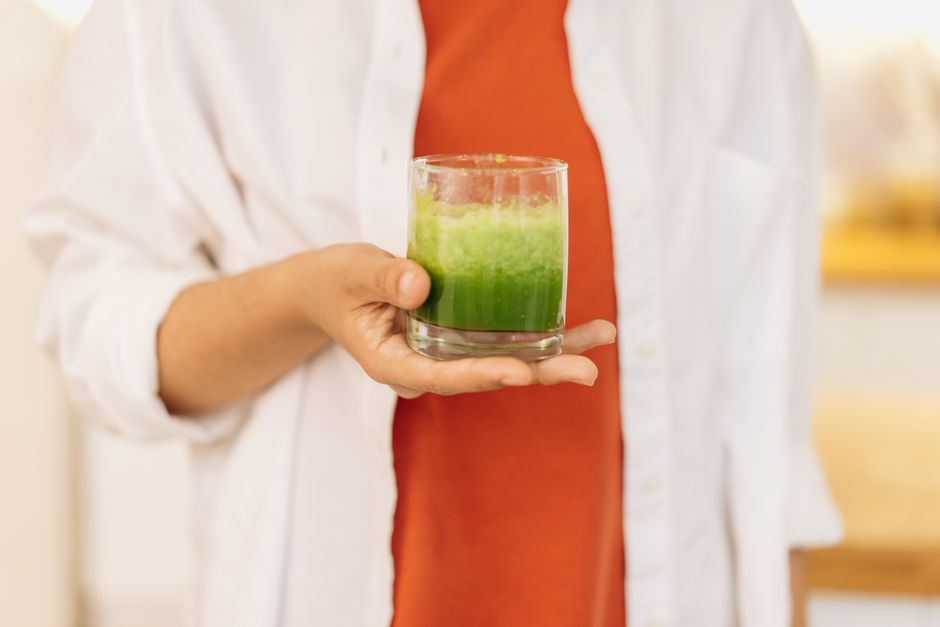
Bile juice is a digestive fluid produced by your liver and stored in your gallbladder that breaks down fats into tiny droplets so your body can absorb them. It also helps your body absorb fat-soluble vitamins like A, D, E, and K. Without bile, most of the fat you eat would pass through your system undigested.
What Is The Function Of Bile Juice in Digestion?
Bile juice acts like a detergent for your digestive system. When you eat fatty foods, your gallbladder releases bile into the small intestine. Bile salts in the fluid break large fat globules into microscopic droplets. This process is called emulsification.
Think of it like washing a greasy pan. Water alone does not cut through the grease. Soap does because it breaks oil into tiny pieces that rinse away. Bile does the same thing to fat in your gut. Once fat is broken into small droplets, enzymes called lipases can finish the job of digestion.
The National Institutes of Health explains that bile is essential for fat digestion. Without it, your body would struggle to get energy and nutrients from healthy fats like olive oil, avocado, and fish.
How Does Bile Help Absorb Vitamins?
Bile is not just for fat digestion. It is also required for your body to absorb fat-soluble vitamins. These vitamins — A, D, E, and K — need fat to travel into your bloodstream. Bile makes that possible.
Vitamin A supports vision and immune function. Vitamin D is critical for bone health. Vitamin E acts as an antioxidant. Vitamin K helps your blood clot. If bile production or flow is blocked, you can become deficient in these vitamins even if you eat enough of them.
Research published in the journal Nutrients found that people with bile acid disorders often have lower levels of these vitamins. This is one reason doctors check bile function in patients with unexplained vitamin deficiencies.
What Happens When Bile Flow Is Blocked?
A blocked bile duct stops bile from reaching the small intestine. This is a serious medical condition. Common causes include gallstones, tumors, or inflammation of the gallbladder or pancreas.
Symptoms of a blockage include yellowing of the skin and eyes (jaundice), dark urine, pale stool, itching, and abdominal pain. The Centers for Disease Control and Prevention notes that untreated bile duct blockages can lead to infection, liver damage, or pancreatitis.
If you have these symptoms, see a doctor immediately. Bile flow problems are not something to manage at home with diet or supplements. Medical treatment is required to remove the blockage.

What Are Common Myths About Bile?
One widespread myth is that bile is made in the gallbladder. It is not. Your liver produces bile constantly — about 600 to 800 milliliters per day. The gallbladder only stores and concentrates it between meals.
Another myth claims that a “bile cleanse” or “gallbladder flush” can improve digestion. There is no clinical evidence that these cleanses work. In fact, some can cause pain or complications if you have gallstones. The American College of Gastroenterology advises against these products.
A third myth is that you need bile supplements if you feel bloated after eating fatty foods. Bloating has many causes, and most are not related to bile production. Taking bile salts without a diagnosed deficiency can cause diarrhea and stomach cramps.
How Does Bile Change When the Gallbladder Is Removed?
About 700,000 people in the United States have their gallbladder removed each year, according to the National Institute of Diabetes and Digestive and Kidney Diseases. After surgery, bile still flows from the liver into the small intestine. But it drips continuously instead of being released in a concentrated burst.
Most people adjust within a few months. Some experience loose stools or diarrhea after eating high-fat meals. This happens because bile is less concentrated and reaches the intestine at a steady trickle rather than a strong dose.
If you have had your gallbladder removed, eating smaller, lower-fat meals can help. Over time, your digestive system adapts. Many people return to a normal diet without issues. Some report long-term sensitivity to very fatty foods like fried items or heavy cream sauces.
What Does Research on Bile and Gut Health Show?
Recent research has found that bile does more than digest fat. It also affects the bacteria living in your gut. Bile salts can kill certain bacteria and allow others to thrive. This shapes your gut microbiome in ways scientists are still studying.
A 2022 study in the journal Cell Host & Microbe showed that bile acids influence the balance of gut bacteria. Changes in bile composition were linked to conditions like inflammatory bowel disease and metabolic syndrome. This is a new area of research, so strong conclusions are limited.
Some studies suggest that bile acids may also signal to your liver and intestines to regulate cholesterol levels and blood sugar. This is not proven enough to recommend any specific intervention, but it explains why bile is getting more attention from researchers.
| Function | What Bile Does | What Happens Without It |
|---|---|---|
| Fat digestion | Breaks fat into small droplets | Fat passes through undigested |
| Vitamin absorption | Helps absorb vitamins A, D, E, K | Vitamin deficiencies develop |
| Waste removal | Carries bilirubin and cholesterol out | Jaundice, gallstones, buildup |
| Gut bacteria balance | Shapes microbiome composition | Possible dysbiosis |
How to Support Healthy Bile Function
You do not need to do anything special to keep bile working well if your liver and gallbladder are healthy. Your body handles this on its own. But certain habits can help avoid problems.
- Eat a balanced diet with moderate fat. Extremely low-fat diets can cause the gallbladder to contract less often, which may allow bile to become too concentrated and form sludge or stones.
- Stay hydrated. Bile is mostly water. Dehydration makes bile thicker and more likely to form stones.
- Maintain a healthy weight. Rapid weight loss or obesity both increase the risk of gallstones. The American Heart Association recommends losing weight slowly — no more than 1 to 2 pounds per week.
- Do not skip meals. Regular meals trigger bile release and keep it flowing. Long periods without eating let bile sit in the gallbladder too long.
If you already have gallstones or a known bile issue, dietary changes alone will not fix it. You need medical evaluation. Surgery is common and safe for problematic gallbladders.
Frequently Asked Questions
What is the main function of bile juice?
Bile juice breaks down fats into small droplets so digestive enzymes can process them and helps your body absorb fat-soluble vitamins.Where is bile juice produced and stored?
Bile is produced in the liver and stored in the gallbladder between meals.
Can you digest food without a gallbladder?
Yes, bile still flows from the liver into the small intestine, but it is released continuously rather than in concentrated bursts.
What causes bile to stop flowing properly?
Gallstones, tumors, or inflammation of the gallbladder or pancreas are common causes of blocked bile flow.
