
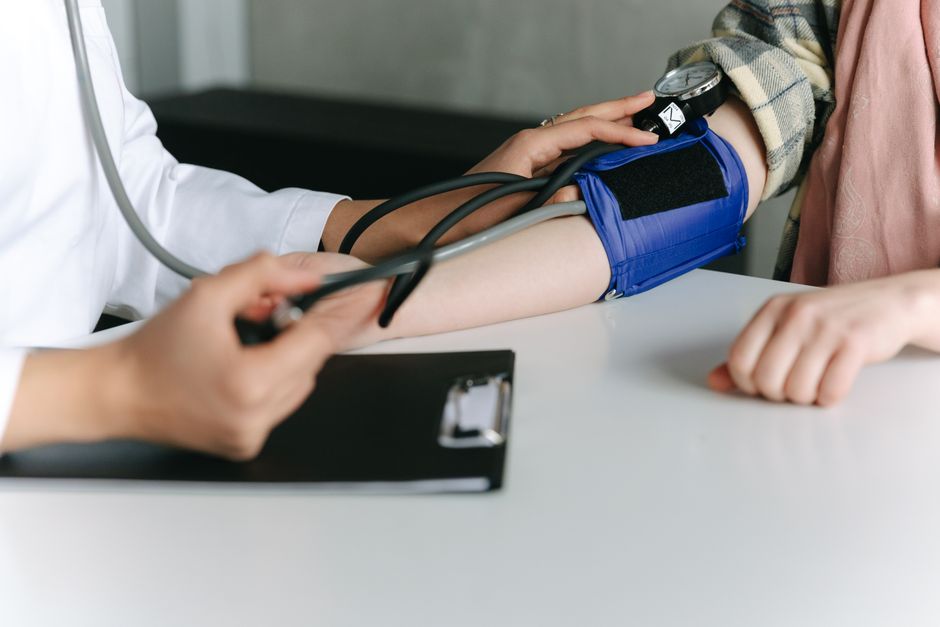
Pulmonary hypertension (PH) is high blood pressure in the arteries of your lungs. It is not the same as regular high blood pressure. The heart has to work much harder to pump blood through narrowed or stiff lung arteries. This can lead to shortness of breath, fatigue, and chest pressure. Treatment is not a single pill. It is a combination of therapies that target the specific cause. What actually works depends entirely on the type of PH you have and how advanced it is. There is no cure, but many people manage their symptoms and slow the disease progression with the right plan.
What Is Pulmonary Hypertension and Why Does Treatment Depend on the Type?
Pulmonary hypertension is a complex condition. The World Health Organization (WHO) groups it into five types. Group 1 is pulmonary arterial hypertension (PAH). This is when the small arteries in the lungs become narrow or damaged. Group 2 is caused by left-sided heart disease. Group 3 is linked to lung diseases like COPD or sleep apnea. Group 4 is caused by chronic blood clots in the lungs. Group 5 includes other less common causes.
Treatment must match the group. Giving a PAH drug to someone with Group 2 PH from heart failure can make things worse. The first step is always a full workup. This includes an echocardiogram, blood tests, a chest CT, and a right heart catheterization. The catheterization is the only way to confirm the diagnosis and measure the pressure accurately.
Many people get diagnosed late because the early symptoms — breathlessness, fatigue, swollen ankles — mimic other conditions. By the time a person sees a specialist, the pressure is often already high. That is why early and correct classification is critical. The wrong treatment wastes time and can cause harm.
What Medications Actually Work for Pulmonary Hypertension?
For Group 1 PAH, several classes of drugs have strong evidence from clinical trials. These medications do not cure the disease, but they improve symptoms, exercise capacity, and slow progression. The main classes are prostacyclin agonists, endothelin receptor antagonists (ERAs), and phosphodiesterase-5 (PDE5) inhibitors.
Prostacyclin agonists work by relaxing blood vessels and preventing blood clots. They include epoprostenol, which is given as a continuous IV infusion, and treprostinil, which can be given intravenously, subcutaneously, inhaled, or as an oral tablet. These are powerful drugs but require careful management. The IV form carries a risk of infection at the catheter site.
ERAs like bosentan and ambrisentan block a chemical that narrows blood vessels. PDE5 inhibitors like sildenafil and tadalafil are also used. Tadalafil is taken once daily, which is more convenient than sildenafil, which is taken three times a day. A study published in the New England Journal of Medicine found that combining an ERA with a PDE5 inhibitor improved exercise capacity more than either drug alone.
For Group 4 PH caused by blood clots, the main treatment is a surgical procedure called pulmonary thromboendarterectomy (PTE). This surgery removes the old clots from the lung arteries. It can be curative for some people. For those who cannot have surgery, a drug called riociguat is approved and shown to improve exercise tolerance.
| Drug Class | Examples | How It Works | Common Side Effects |
|---|---|---|---|
| Prostacyclin Agonists | Epoprostenol, Treprostinil, Iloprost | Relax blood vessels, prevent clots | Headache, jaw pain, nausea, flushing |
| Endothelin Receptor Antagonists (ERAs) | Bosentan, Ambrisentan, Macitentan | Block blood vessel narrowing | Liver enzyme elevation, anemia, swelling |
| PDE5 Inhibitors | Sildenafil, Tadalafil | Increase blood vessel relaxation | Headache, indigestion, muscle aches |
| Guanylate Cyclase Stimulator | Riociguat | Increase blood vessel relaxation | Low blood pressure, dizziness, bleeding risk |
Can Lifestyle Changes Like Diet and Exercise Really Help?
Lifestyle changes alone will not treat pulmonary hypertension. But they can support the medical treatment and improve quality of life. The key is to do the right things and avoid dangerous ones.
Exercise is safe for most people with stable PH, but it must be done carefully. A supervised pulmonary rehabilitation program is the best option. The American Heart Association notes that structured exercise can improve walking distance and reduce symptoms. Avoid heavy lifting, breath-holding, or high-intensity interval training. These can spike pressure in the lungs. Walking, stationary cycling, and light resistance training are good choices.
Diet matters mostly for fluid management. Many people with PH retain fluid, which worsens swelling and shortness of breath. Limiting sodium to under 2,000 milligrams per day is a common recommendation. Some people also need to limit total fluid intake. Talk to your doctor about your specific fluid needs. Do not follow a general “drink eight glasses a day” rule — it may be too much for you.
Weight management is important because excess body weight puts more strain on the heart and lungs. But crash diets are not helpful. Slow, steady weight loss through balanced eating is safer. Avoid supplements that claim to “cleanse” the lungs or lower blood pressure naturally. There is no clinical evidence that any herbal supplement treats PH, and some can interact dangerously with prescription medications.





What About Oxygen Therapy and Surgery?
Oxygen therapy is not needed for everyone. It is prescribed when blood oxygen levels drop below 88% at rest, during activity, or during sleep. The CDC reports that long-term oxygen therapy can improve survival in people with chronic lung disease and low oxygen levels. For PH, it helps reduce the workload on the heart. Most people use a portable oxygen concentrator so they can remain active.
Surgery is an option for specific types of PH. The most well-known surgery is pulmonary thromboendarterectomy for Group 4 PH caused by chronic blood clots. This is a complex procedure done at specialized centers. Success rates are high for the right candidates. Another option for advanced PAH is lung transplantation. This is reserved for people who are failing medical therapy and have no other options. The survival rate after lung transplant has improved, but it is still a major surgery with long-term risks including rejection and infection.
Atrial septostomy is a less common procedure. It creates a small hole between the upper chambers of the heart to relieve pressure. It is not a cure. It is a bridge to transplant for people who are very sick and not responding to medication. The procedure carries risk, including stroke and worsening heart failure.
What Does Research on How To Treat Pulmonary Hypertension What Actually Works Show?
Research published in the Journal of the American College of Cardiology shows that combination therapy — using two or more drug classes together — is more effective than using a single drug alone. Many people start on one drug, then add another if symptoms are not controlled. Some centers now start with two drugs from the start for high-risk patients.
Another major finding from the European Respiratory Journal is that early diagnosis and treatment improve long-term outcomes. People diagnosed in WHO functional class I or II (mild symptoms) have better survival rates than those diagnosed in class III or IV (severe symptoms). This is why awareness of the symptoms matters. If you have unexplained shortness of breath, do not just assume it is from being out of shape or getting older.
Research also shows that regular follow-up with a PH specialist is critical. A study from the Pulmonary Hypertension Association registry found that people treated at specialized PH centers have better survival than those treated at general hospitals. These centers perform more right heart catheterizations, use more combination therapy, and offer clinical trials. If you have PH, ask your doctor if you should be referred to a PH center.
- Combination therapy improves exercise capacity and slows disease progression more than single drugs.
- Early diagnosis leads to better survival rates.
- Specialized PH centers show better outcomes than general hospitals.
- Regular monitoring with echocardiograms and blood tests helps adjust treatment.
- Clinical trials offer access to new therapies not yet widely available.
What Are the Common Myths About Pulmonary Hypertension Treatment?
One widespread myth is that breathing exercises alone can lower lung artery pressure. Deep breathing can help with anxiety and oxygen saturation, but it does not change the underlying vascular disease. There is no evidence that any breathing technique treats PH.
Another myth is that natural supplements like CoQ10, L-arginine, or hawthorn berry can replace prescription drugs. Some of these have small studies suggesting mild effects on blood pressure, but none have been tested in large PH trials. The risk is that people stop their medications to try these supplements, which can be dangerous. Always tell your doctor about any supplement you take.
A third myth is that pulmonary hypertension is the same as regular hypertension. This leads people to take blood pressure medications that are not meant for the lungs. For example, beta-blockers and ACE inhibitors are standard for systemic high blood pressure but can be harmful in PAH. Never assume that a drug for regular high blood pressure is safe for PH.
Finally, some people believe that a vegan diet or a raw food diet can reverse PH. There is no clinical evidence to support this. A heart-healthy diet is beneficial for overall health, but it does not cure the vascular damage in PH. Do not abandon medical treatment in favor of any diet plan.
Frequently Asked Questions
Can pulmonary hypertension be cured?
There is no cure for most types of pulmonary hypertension. Treatment focuses on managing symptoms, improving quality of life, and slowing disease progression.
Is pulmonary hypertension the same as regular high blood pressure?
No. Pulmonary hypertension is high pressure in the arteries of the lungs. Regular high blood pressure affects the arteries throughout the body. The causes and treatments are different.
How long can you live with pulmonary hypertension?
Survival varies widely by type, severity, and treatment. With modern therapies, many people live 5 to 10 years or longer after diagnosis. Early treatment improves outcomes.
Can exercise make pulmonary hypertension worse?
Exercise done incorrectly can be dangerous. But supervised, moderate exercise like walking or stationary cycling is safe for most stable patients and can improve symptoms.
