
Acid reflux happens when stomach acid flows back into your esophagus, causing that burning sensation behind your breastbone. Many people want to avoid or reduce their use of medications like proton pump inhibitors, and for good reason — long-term use of some acid-suppressing drugs has been linked to nutrient deficiencies and other health concerns. Current research suggests that most people can manage mild to moderate acid reflux with lifestyle and dietary changes alone, though severe cases still need medical oversight. This article covers ten remedies that have real evidence behind them, along with what to skip because it simply does not work.
What Actually Causes Acid Reflux in the First Place?
Acid reflux is not about having too much stomach acid. That is one of the most persistent myths in health media. Most people with reflux actually have normal or even low stomach acid levels. The real problem is mechanical — a muscle called the lower esophageal sphincter (LES) does not close tightly enough after food enters your stomach.
When the LES relaxes at the wrong time, acid splashes upward. The esophagus has no protective lining like the stomach does, so even small amounts of acid cause irritation. Some studies suggest that the pressure inside the stomach, the angle where the esophagus meets the stomach, and even the type of bacteria in your gut all play a role.
Obesity, pregnancy, certain medications, and hiatal hernias can weaken the LES. Dietary triggers like alcohol, caffeine, spicy foods, and high-fat meals can also cause temporary relaxation of the valve. Understanding this mechanism is key because it changes what remedies actually target.
How To Naturally Help Acid Reflux 10 Remedies — What the Evidence Says
1. Elevate the head of your bed. This is not about piling up pillows. Pillows only raise your head, which can actually increase abdominal pressure and make reflux worse. Research shows that raising the entire head of the bed by six to eight inches reduces acid exposure in the esophagus by about 67 percent. Use bed risers or a foam wedge that elevates your entire upper body.
2. Eat smaller, more frequent meals. Large meals stretch the stomach, which puts pressure on the LES and makes it easier for acid to escape. Studies have found that people who eat five or six small meals instead of three large ones report significantly fewer reflux episodes. Keep each meal to about the size of your fist.
3. Wait three hours before lying down. Gravity works when you are upright. Lying down with a full stomach practically guarantees acid will flow backward. A 2020 review in the journal Gastroenterology confirmed that a three-hour post-meal upright period is one of the most effective behavioral changes for reducing nighttime reflux.
4. Lose excess weight. This is the single most effective long-term remedy for many people. Excess belly fat increases intra-abdominal pressure, which pushes stomach contents upward. A 2022 study found that losing just 5 to 10 percent of body weight reduced reflux symptoms by 40 to 80 percent in overweight participants. No pill comes close to that effect.
5. Chew sugar-free gum after meals. Chewing gum stimulates saliva production. Saliva is alkaline and neutralizes acid. It also encourages swallowing, which pushes acid back down into the stomach. A small 2021 trial found that chewing gum for 30 minutes after a meal significantly reduced acid levels in the lower esophagus.
6. Avoid tight clothing around your waist. Belts, shapewear, and tight pants compress the stomach and force acid upward. This is a simple fix that costs nothing. If your pants leave a red mark on your waist, they are too tight for your digestive system.
7. Identify and eliminate trigger foods. Common triggers include tomatoes, citrus, chocolate, mint, onions, garlic, caffeine, alcohol, and fatty foods. But triggers are individual. Keep a two-week food diary and note when symptoms occur. One person may handle tomatoes fine but react to chocolate. The only way to know is to track it.
8. Try deglycyrrhizinated licorice (DGL). DGL is a form of licorice root that has the compound glycyrrhizin removed to avoid side effects like high blood pressure. Some studies suggest DGL increases mucus production in the esophagus, which may protect the lining. Evidence is moderate — a few small trials show benefit, but larger studies are lacking. It is not a quick fix but may help some people over several weeks.
9. Consider aloe vera juice. Aloe vera has anti-inflammatory properties. A 2015 randomized trial found that aloe vera syrup reduced reflux symptoms significantly more than a placebo over four weeks. The effect was modest but real. Look for products labeled as decolorized or purified, which removes the laxative compound aloin.
10. Practice slow, mindful eating. Eating quickly causes you to swallow more air, which increases stomach pressure and belching. Slowing down gives your stomach time to signal fullness before you overeat. A 2019 study found that people who ate a meal in 15 minutes had more reflux than those who took 30 minutes to eat the same amount of food.
What Does Research Say About Apple Cider Vinegar for Acid Reflux?
Apple cider vinegar is one of the most popular natural reflux remedies on social media. The theory is that low stomach acid causes reflux, and adding acid helps the stomach empty properly. Some people report real relief from this approach.
However, there is no clinical evidence supporting apple cider vinegar for acid reflux. As of 2026, no randomized controlled trials have tested it for this purpose. Anecdotal reports are mixed — some people feel better, others report worse burning. The concern is that pouring more acid into an already irritated esophagus could cause more harm than good.
If you want to try it, dilute one teaspoon in a full glass of water and drink it with a meal — never on an empty stomach. Stop immediately if symptoms worsen. But honestly, the evidence is too weak to recommend this as a first-line remedy.





Which Natural Remedies Should You Avoid?
| Remedy | Claim | Evidence Reality |
|---|---|---|
| Baking soda water | Neutralizes acid quickly | Works short-term but high sodium content can cause rebound acid production and is unsafe for people with high blood pressure |
| Raw garlic | Kills H. pylori bacteria | Garlic is a known reflux trigger for many people; no good evidence it helps |
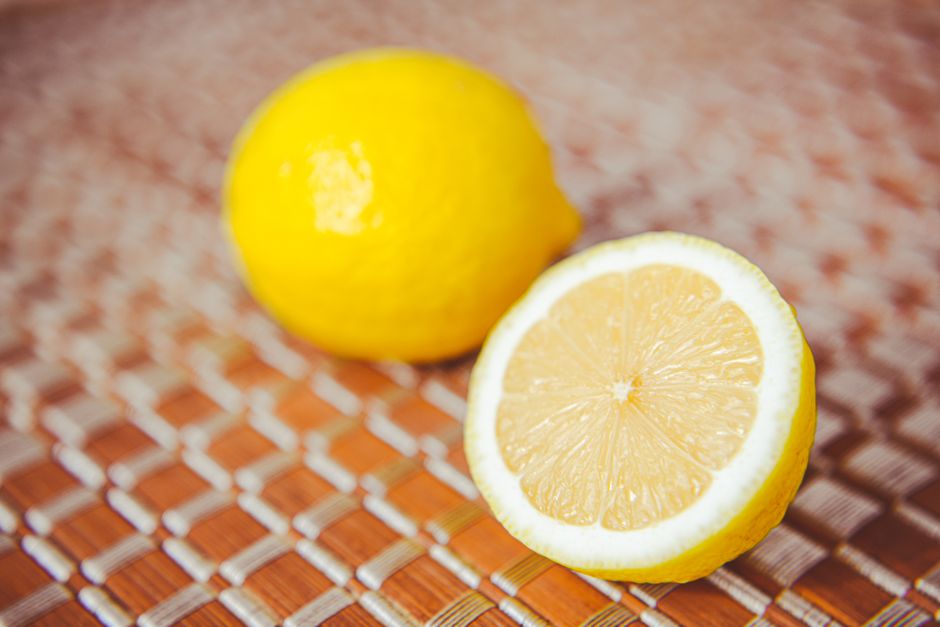
| Lemon water | Alkalizes the body | Lemon is acidic and can worsen symptoms; the body tightly regulates pH regardless of what you eat |
| Activated charcoal | Absorbs stomach acid | No evidence for reflux; may interfere with medication absorption |
| Coconut oil | Reduces inflammation | High in fat, which relaxes the LES; more likely to trigger reflux than help it |
The baking soda example is worth explaining further. It does neutralize acid instantly, which is why some people use it as an emergency fix. But the stomach responds to the sudden pH change by producing even more acid later. This is called acid rebound. If you use baking soda more than occasionally, you may end up with worse reflux than you started with.
What Is the Role of Probiotics and Gut Health?
Probiotics are bacteria that support digestive health. Some studies suggest that certain strains, particularly Lactobacillus and Bifidobacterium, may help reduce reflux symptoms by improving gastric emptying and reducing inflammation in the esophagus.
A 2021 meta-analysis of seven trials found that probiotics reduced reflux symptoms by about 20 percent compared to placebo. That is a modest effect, but it is real. The effect seems strongest in people who also have bloating or irregular bowel movements alongside their reflux.
Fermented foods like yogurt, kefir, sauerkraut, and kimchi naturally contain probiotics. Supplement strains vary widely in quality. If you try a probiotic, choose one with at least 10 billion CFUs and multiple strains. Give it four to six weeks to see if it helps.
Gut health matters for reflux more than most people realize. Slow digestion and constipation increase abdominal pressure, which pushes acid upward. Keeping your gut moving regularly is a foundational step that many overlook while chasing trendy remedies.
Common Misconceptions About Natural Acid Reflux Treatment
The biggest misconception is that drinking milk relieves reflux. Milk does neutralize stomach acid temporarily, but it also contains fat and protein that stimulate acid production. Full-fat milk can actually make symptoms worse within 30 to 60 minutes. If you want a dairy option, choose small amounts of low-fat or nonfat milk.
Another common myth is that drinking water dilutes stomach acid enough to stop reflux. Water does dilute acid temporarily, but the effect is minimal and short-lived. The esophagus clears water quickly, and the stomach continues producing acid normally. Drinking water is fine, but do not rely on it as a treatment.
Some people believe that avoiding all acidic foods is necessary. That is not supported by evidence. The issue is not the pH of what you eat — it is whether the LES stays closed. A lemon wedge in water may trigger symptoms in one person and cause no reaction in another. blanket elimination diets are rarely helpful. Targeted elimination based on your personal triggers works better.
Finally, the idea that acid reflux is always caused by too much acid is simply wrong. Many cases involve normal or low stomach acid combined with a weak LES. Suppressing acid with medications or baking soda does not fix the mechanical problem. It only masks symptoms.
Frequently Asked Questions
Can drinking warm water help acid reflux?
Warm water may help by promoting digestion and relaxing the esophagus slightly, but there is no strong evidence it stops reflux. It is safe to try but unlikely to be a standalone solution.
How long does it take for natural remedies to work?
Some changes like elevating your bed or avoiding trigger foods can help within a few days. Weight loss and gut healing through probiotics or DGL typically take four to eight weeks to show noticeable improvement.
Is it safe to treat acid reflux naturally while on medication?
Yes, but do not stop prescribed medications without talking to your doctor. Many people use natural methods to reduce their medication dose over time, but sudden withdrawal can cause severe rebound acid production.
Can stress cause acid reflux?
Stress does not directly cause reflux, but it can increase stomach acid production and make you more sensitive to the sensation of burning. Stress reduction techniques like deep breathing may help some people manage symptoms.
