
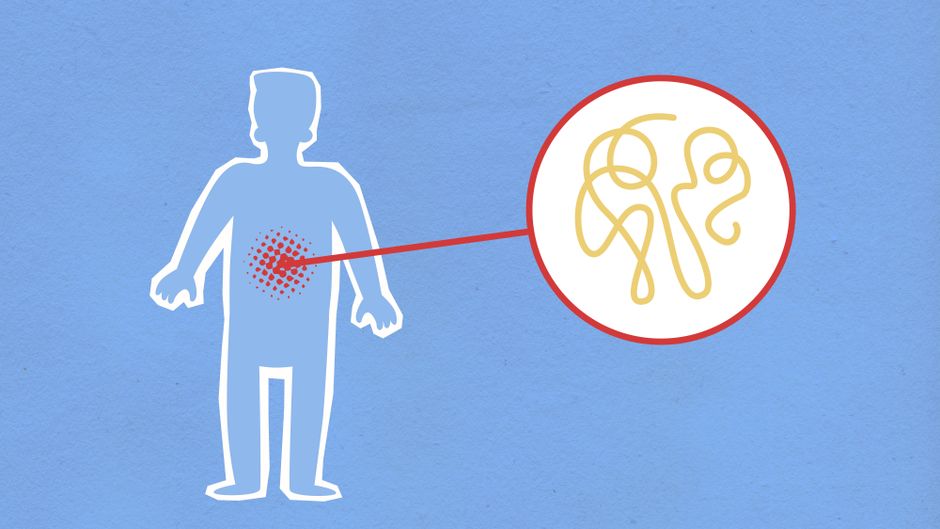
Yes, anxiety can directly cause acid reflux disease. The connection is not just in your head. It involves real physical changes in your body. Anxiety can relax the valve that keeps stomach acid where it belongs. It can also increase acid production and make you more sensitive to the feeling of reflux. Research shows that people with anxiety disorders are significantly more likely to develop gastroesophageal reflux disease (GERD). This does not mean everyone with anxiety gets reflux. But for many people, the two conditions feed off each other in a cycle that is hard to break.
How Does Anxiety Physically Trigger Acid Reflux?
The gut and brain are connected through a network called the gut-brain axis. This is not a vague concept. It is a real biological pathway. When you feel anxious, your brain sends stress signals to your digestive system. These signals can cause the lower esophageal sphincter (LES) to relax at the wrong time. The LES is the muscle that acts like a one-way door between your esophagus and stomach. When it relaxes too often or too easily, stomach acid flows backward into your esophagus. That is the burning sensation you feel.
Anxiety also slows down digestion. Your stomach empties more slowly when you are stressed. Food and acid sit in your stomach longer, increasing the chance of reflux. Some studies suggest that anxiety can increase stomach acid production on its own. This is not true for everyone. But for people who are prone to reflux, the added acid makes symptoms worse. The physical changes are measurable. They are not imagined.
Can Anxiety Cause Acid Reflux Disease Even If You Eat Well?
Yes. Many people assume reflux is only about diet. They think if they avoid spicy food, coffee, and fatty meals, they should be fine. That is not always the case. Anxiety can override a clean diet. You can eat perfectly and still have reflux because your nervous system is driving the problem.
Think of it this way. Diet is one lever you can pull. But anxiety is a separate lever that can pull harder. A 2020 review in the journal Neurogastroenterology and Motility found that psychological stress is an independent risk factor for GERD. That means stress alone can cause the disease, even without dietary triggers. This is important because it changes how you approach treatment. If you fix your diet but ignore your anxiety, you may still suffer from reflux.
What Does the Research on Anxiety and Acid Reflux Disease Show?
The research is consistent. A large study published in Gastroenterology followed over 12,000 people. It found that those with anxiety had a 3.2 times higher risk of developing GERD symptoms. That is a strong link. Another study in Alimentary Pharmacology and Therapeutics showed that people with panic disorder were more likely to have abnormal acid exposure in their esophagus, even when they had no visible damage on endoscopy.
Current research suggests that the relationship is bidirectional. Anxiety causes reflux. Reflux causes anxiety. The burning pain can be frightening. It can mimic a heart attack. That fear then creates more anxiety, which worsens the reflux. Breaking this cycle requires treating both problems at the same time. One study found that patients who received both antacid medication and cognitive behavioral therapy had better outcomes than those who took medication alone.
| Factor | Effect on Reflux | Strength of Evidence |
|---|---|---|
| Anxiety disorder diagnosis | Increases risk 3x or more | Strong |
| Acute stress episode | Temporary symptom spike | Strong |
| Panic disorder | Higher acid exposure | Moderate |
| Chronic worry | Slower digestion, more reflux | Moderate |
| Depression | Weaker link, still relevant | Moderate |





What Symptoms Overlap Between Anxiety and Acid Reflux?
The symptoms can be confusing because they look alike. Heartburn is the classic reflux symptom. But anxiety can cause chest tightness, a lump in the throat feeling, and even a burning sensation in the chest. Many people go to the emergency room thinking they are having a heart attack when they are actually having a panic attack combined with reflux.
Here are symptoms that can come from either anxiety or reflux:
- Chest pain or discomfort
- Difficulty swallowing or feeling of a lump in the throat
- Nausea or upset stomach
- Excessive belching
- Chronic cough or hoarseness
- Sleep disturbances
If you have these symptoms, it is important to get checked by a doctor. Do not assume it is just anxiety. Do not assume it is just reflux either. A proper diagnosis matters. An upper endoscopy can rule out damage to your esophagus. A pH monitoring test can measure actual acid exposure. These tests help determine how much of your problem is structural and how much is driven by anxiety.
What Actually Helps When Anxiety Causes Acid Reflux?
Treating the combination requires a two-pronged approach. Medication for reflux alone is often not enough. Anxiety treatment alone may not fix the physical reflux either. Here is what the evidence supports.
Proton pump inhibitors (PPIs) like omeprazole reduce stomach acid. They work well for many people. But they do not address the root cause if anxiety is driving the LES to relax. Some people need to stay on PPIs while they work on their anxiety. Others can eventually reduce their dose.
Anxiety treatment is equally important. Cognitive behavioral therapy has the strongest evidence. It helps you recognize the thought patterns that trigger your stress response. Breathing exercises and progressive muscle relaxation can calm the nervous system directly. A 2022 study in Psychosomatic Medicine found that a brief relaxation training program reduced reflux symptoms by 40% in people with anxiety-related GERD.
Lifestyle changes help both conditions. Sleep is critical. Poor sleep increases anxiety and worsens reflux. Eating smaller meals earlier in the evening gives your stomach time to empty before you lie down. Avoiding alcohol and caffeine helps because both can trigger anxiety and relax the LES. Walking after meals aids digestion and reduces stress. None of these are dramatic changes. But together they can shift the balance.
Common Misconceptions About Anxiety and Acid Reflux
One widespread myth is that anxiety only makes you feel like you have reflux, without actual acid damage. This is false. Anxiety can cause real, measurable acid reflux. It can lead to esophagitis and Barrett’s esophagus over time. Do not dismiss your symptoms as just being anxious.
Another misconception is that medication alone will fix everything. PPIs are effective at reducing acid. But they do not stop the LES from relaxing. If anxiety continues to trigger relaxations, you can still have reflux events, though they may be less acidic. Some people call this “refractory GERD” — reflux that does not respond fully to medication. Anxiety is a common reason for this.
A third myth is that you have to choose between treating anxiety or treating reflux. You do not. Treating both at the same time gives the best results. As of 2026, major medical guidelines from the American College of Gastroenterology recommend screening for anxiety in patients with difficult-to-treat GERD. This is a standard of care, not an afterthought.
When Should You See a Doctor?
If you have heartburn more than twice a week, see a doctor. If you have chest pain that comes with shortness of breath, sweating, or pain radiating to your arm, go to the emergency room immediately. Those could be signs of a heart attack. Do not assume it is anxiety or reflux.
If your reflux symptoms do not improve with standard medication, ask your doctor about an anxiety evaluation. This is especially important if you also have symptoms like racing thoughts, trouble sleeping, or constant worry. A gastroenterologist can do the tests. A primary care doctor or psychiatrist can help with anxiety. Sometimes a single medication like a low-dose antidepressant can help both conditions. This is something to discuss with your doctor, not something to try on your own.
Frequently Asked Questions About anxiety cause acid reflux disease
Can anxiety alone cause GERD without any diet issues?
Yes. Anxiety is an independent risk factor for GERD and can cause the disease even with a clean diet, as confirmed by multiple large studies.
Does treating anxiety reduce acid reflux symptoms?
Yes. Cognitive behavioral therapy and relaxation training have been shown to reduce reflux symptoms, especially when combined with standard acid-reducing medication.
How do I know if my reflux is from anxiety or something else?
A doctor can perform an endoscopy and pH monitoring to measure actual acid exposure, which helps separate structural causes from anxiety-driven reflux.
Can acid reflux from anxiety damage my esophagus over time?
Yes. Anxiety-driven reflux can still cause esophagitis and Barrett’s esophagus, so it should be treated seriously regardless of the cause.
