
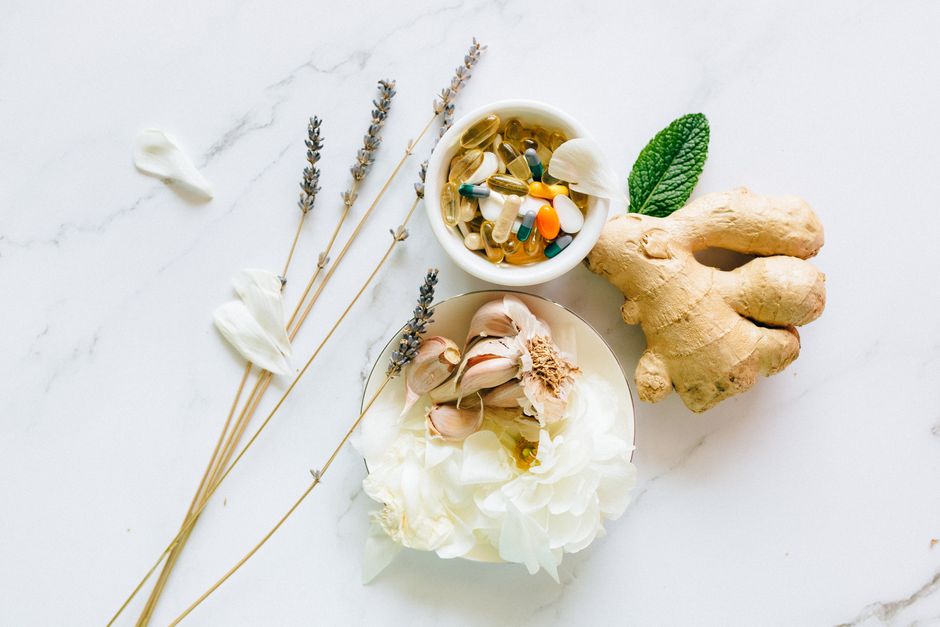
Gastritis is inflammation of the stomach lining, and healing it naturally starts with removing what irritates it and adding foods that calm it. The most effective natural approach combines a bland, anti-inflammatory diet with lifestyle changes like smaller meals and stress management. While food alone cannot cure every case, dietary changes are the foundation of symptom relief and mucosal repair for most people.
What Exactly Is Gastritis and Why Does It Happen?
Gastritis means the protective mucus layer of your stomach lining is weakened or damaged. When that barrier breaks down, digestive acids irritate the tissue underneath, causing inflammation.
The most common cause is an infection with H. pylori bacteria. Long-term use of NSAID pain relievers like ibuprofen or naproxen is another frequent trigger. Heavy alcohol use, severe stress, and autoimmune conditions can also cause it.
Symptoms often include a burning pain in the upper belly, nausea, bloating, and feeling full quickly after eating. Some people have no symptoms at all. The key point is that the stomach lining is raw and irritated — so everything you eat either helps it heal or makes it worse.
Which Foods Actually Help Heal the Stomach Lining?
Some foods have properties that may reduce inflammation or support mucus production. These are the most consistently supported options in clinical research.
High-fiber foods are linked to lower rates of gastritis. Whole grains, legumes, vegetables, and fruits help because fiber may reduce inflammation and support healthy digestion. Oatmeal, brown rice, and cooked carrots are gentle options.
Foods rich in polyphenols — plant compounds with antioxidant effects — show promise. Blueberries, cranberries, grapes, and green tea contain these compounds. Some research suggests polyphenols may help suppress H. pylori growth, though they are not a treatment for the infection.
Probiotic foods like yogurt, kefir, and fermented vegetables may help rebalance gut bacteria. Some studies indicate certain probiotic strains can improve gastritis symptoms and support the healing process. Choose plain, unsweetened yogurt to avoid added sugar, which can worsen inflammation.
Lean proteins like skinless chicken, fish, tofu, and eggs are easier on the stomach than fatty cuts of meat. High-fat foods slow digestion and can increase acid production, which irritates an inflamed lining.
Non-citrus fruits like bananas, melons, and applesauce are well tolerated. Bananas are particularly gentle and provide potassium, which supports cell function.
What Foods and Drinks Should You Avoid?
Eliminating irritants matters just as much as adding healing foods. The stomach lining cannot repair itself while it is continuously exposed to damaging substances.
- Alcohol directly damages the stomach lining and increases acid secretion. Avoid it completely during a flare-up.
- NSAIDs like ibuprofen, naproxen, and aspirin can cause or worsen gastritis. If you need pain relief, acetaminophen is generally gentler on the stomach, but talk to your doctor first.
- Spicy foods like hot peppers, chili, and curry can directly irritate an inflamed lining.
- Acidic foods like citrus fruits, tomatoes, and vinegar may worsen burning symptoms in some people.
- Fried and high-fat foods slow stomach emptying and increase acid exposure.
- Caffeine from coffee, black tea, and energy drinks stimulates acid production.
- Carbonated drinks can cause bloating and increase pressure in the stomach.
Individual tolerance varies. Some people with gastritis handle tomatoes or coffee fine, while others cannot. Keep a food diary to identify your personal triggers.





How Should You Eat to Support Healing?
How you eat can be as important as what you eat. The stomach lining benefits from less work and less stretching.
Eat smaller, more frequent meals. Five to six small meals spread through the day keep the stomach from becoming overly full. A distended stomach increases acid reflux and pressure on the lining. Large meals also trigger more acid production.
Chew food thoroughly. Digestion begins in the mouth. Smaller food particles mean the stomach has to work less. Eating slowly also gives your body time to register fullness, which helps prevent overeating.
Sit upright after meals. Lying down within two to three hours of eating allows acid to pool against the upper stomach and esophagus. Staying upright helps gravity keep acid where it belongs.
Eat your last meal at least three hours before bed. Nighttime acid production increases when you lie down, and an empty stomach is less likely to cause reflux symptoms.
What Natural Remedies Have Real Evidence Behind Them?
Several natural compounds are studied for gastritis support. The evidence varies, so it is important to be realistic about what they can and cannot do.
Honey has antibacterial properties, and some laboratory research suggests it can inhibit H. pylori. However, no large human trials confirm that eating honey cures an active H. pylori infection. It may help soothe symptoms as part of a broader approach, but it is not a substitute for antibiotics if you have the infection.
Ginger has anti-inflammatory properties and has been used traditionally for nausea and digestive complaints. Some research supports its ability to reduce gastric irritation. Ginger tea or small amounts of fresh ginger in cooking are reasonable options.
Licorice root — specifically deglycyrrhizinated licorice or DGL — may help protect the stomach lining by increasing mucus production. Some clinical studies support its use for ulcer healing. DGL is preferred because regular licorice can raise blood pressure. If you have high blood pressure or kidney issues, talk to your doctor before using any licorice product.
Chamomile tea has mild anti-inflammatory properties and is widely used for digestive discomfort. The evidence is limited but the risk is low. It is a reasonable choice if you find it soothing.
Probiotic supplements have more research behind them than many other natural options. Some studies suggest specific strains like Lactobacillus and Bifidobacterium may improve gastritis symptoms and support the gut microbiome. However, supplements are not regulated like medications, so quality varies by brand.
No herbal remedy replaces medical treatment when gastritis is caused by H. pylori or severe NSAID damage. These natural options are supportive, not curative.
When Do You Need to See a Doctor?
Gastritis can sometimes be managed with diet and lifestyle changes alone. But certain situations require medical attention.
See a doctor if you have:
- Vomiting blood or material that looks like coffee grounds
- Black, tarry stools
- Persistent or worsening abdominal pain
- Unexplained weight loss
- Symptoms lasting more than two weeks despite dietary changes
These signs may indicate bleeding, an ulcer, or a more serious condition. Do not wait to seek help if you experience any of them.
If your doctor suspects H. pylori, they can test for it with a breath, stool, or biopsy test. If the test is positive, you will need a course of antibiotics and acid-reducing medication. Diet alone cannot eliminate this bacterial infection.
For NSAID-induced gastritis, stopping the medication is essential. Your doctor can help you find a safer alternative for pain management.
How Long Does It Take for Gastritis to Heal?
Healing time depends on the cause and severity. Mild gastritis from a short-term irritant can improve within a few days to a couple of weeks once the trigger is removed.
Chronic gastritis from H. pylori or long-term NSAID use may take several weeks to months to heal. The stomach lining regenerates continuously, but inflammation needs consistent protection to subside.
Be patient with the process. Many people feel better within a week of dietary changes, but full healing takes longer. Consistency matters more than perfection — a few days of good eating followed by a day of trigger foods will slow your progress.
Frequently Asked Questions
Can gastritis heal completely with diet alone?
Diet alone can heal mild gastritis caused by irritants like alcohol or occasional NSAID use. If you have H. pylori or severe chronic gastritis, you need medical treatment in addition to dietary changes.
Is yogurt good for gastritis?
Plain yogurt with live cultures may help because it contains probiotics that support gut health. Choose unsweetened varieties, as added sugar can worsen inflammation.
How long should I follow a bland diet for gastritis?
Follow a gentle diet until your symptoms have been gone for at least a week. Then reintroduce foods one at a time to identify what you can tolerate.
Can stress cause gastritis to flare up?
Stress does not directly cause gastritis, but it can increase stomach acid production and worsen existing inflammation. Managing stress through exercise, sleep, and relaxation techniques supports the healing process.
