
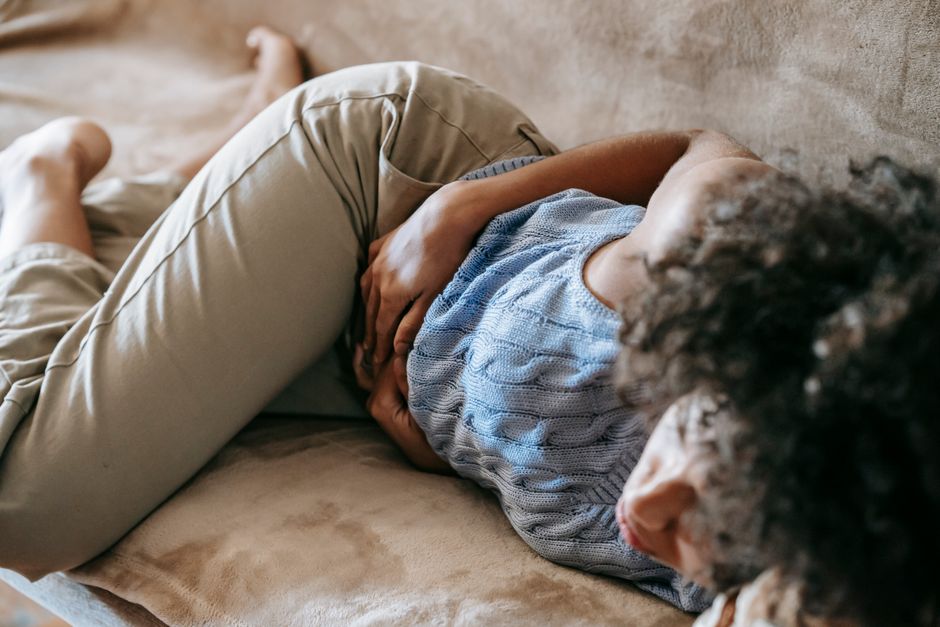
Period cramps happen when the uterus contracts to shed its lining, and those contractions briefly cut off blood flow to the muscle. The fastest natural relief comes from heat applied directly to the lower belly, which relaxes the muscle and improves blood flow. A heating pad or warm bath often eases pain within 20 to 30 minutes. Light movement, gentle massage, and certain anti-inflammatory foods can help too. For many people, heat works about as well as over-the-counter pain relievers for mild to moderate cramps.
What Actually Causes Period Cramps?
The medical name for period cramps is dysmenorrhea. The cause is a group of hormone-like compounds called prostaglandins.
Before and during your period, the lining of the uterus releases prostaglandins. These chemicals tell the uterine muscle to contract. The contractions help push out the lining. When prostaglandin levels are high, the contractions are stronger and last longer. Strong contractions squeeze the blood vessels in the uterus, which temporarily reduces blood flow. That reduced flow is what you feel as a cramp.
This explains why cramps tend to be worst on the first day or two of bleeding. That is when prostaglandin levels peak. It also explains why anti-inflammatory drugs like ibuprofen help — they block prostaglandin production. Natural methods work through different routes: relaxing the muscle, improving blood flow, or calming the nervous system.
There are two broad types. Primary dysmenorrhea is cramping caused by the normal menstrual process, with no underlying condition. Secondary dysmenorrhea is pain caused by a separate condition, such as endometriosis or fibroids. Secondary cramps often start earlier in the cycle, last longer, and get worse over time. If your cramps are getting steadily worse or do not respond to anything, that pattern is worth discussing with a clinician.
Does Heat Really Work for Period Cramps?
Yes. Heat is one of the best-supported natural options for menstrual pain.
Heat does two things. It relaxes the uterine muscle, which reduces the strength of contractions. It also increases blood flow to the area, which helps clear the buildup that causes the ache. A study published in the journal Evidence-Based Nursing found that continuous low-level topical heat was as effective as ibuprofen for menstrual pain in the participants studied.
Practical ways to use heat:
- A heating pad or hot water bottle on the lower belly for 20 to 30 minutes at a time
- A warm bath or shower, which spreads heat across a wider area
- Adhesive heat patches that stay warm for hours, useful if you need to keep moving
Keep the heat moderate. You want comfortable warmth, not a temperature that could burn the skin. Never fall asleep on a heating pad set to high.
Which Natural Remedies Have Real Evidence?
Some natural approaches have decent research behind them. Others are mostly marketing. Here is an honest look.
Exercise. Light to moderate activity — walking, stretching, yoga — can reduce cramp intensity. Exercise triggers the release of endorphins, the body’s own pain-relieving chemicals. It also improves blood flow. You do not need a hard workout. A 20-minute walk often helps.
Omega-3 fatty acids. Some studies suggest that diets higher in omega-3s are linked to less menstrual pain. Omega-3s may reduce prostaglandin production. The evidence is promising but not as strong as the evidence for heat. Food sources include fatty fish like salmon and sardines, plus walnuts and flaxseed.
Magnesium. Some research indicates magnesium may reduce menstrual cramps and related symptoms like bloating. It appears to work partly by relaxing muscle. Food sources include leafy greens, nuts, beans, and whole grains. If you consider a supplement, talk to a clinician first, because magnesium can interact with some medications and is not appropriate at high doses for everyone.
Ginger. A few small studies suggest ginger may reduce menstrual pain, possibly because it has anti-inflammatory effects. The evidence is limited and study sizes were small. Ginger tea is a low-risk thing to try, but do not expect it to match a pain reliever.
Vitamin B1 and vitamin E. Some studies suggest these may help, but results vary. The evidence is mixed, so this is not a first-line approach.
What does not have strong evidence. Many herbal blends and “hormone balance” products sold online have no large human trials confirming they work. No study has confirmed the claims on most of these labels. Be skeptical of any product promising a cure.



How To Alleviate Period Cramps Fast And Naturally
If you want relief in the next half hour, start with heat and movement together.
Here is a sequence that combines the best-supported natural methods:
- Apply heat right away. Heating pad or warm bath, 20 to 30 minutes.
- Move gently. A slow walk or a few gentle stretches can loosen the muscle and release endorphins.
- Massage your lower belly. Use slow, circular pressure with your fingertips or a warm compress. Some research suggests massage may reduce pain, though studies are small.
- Try a warm drink. Ginger or chamomile tea adds warmth and hydration. Neither is proven to be a strong pain reliever, but both are soothing.
- Rest in a comfortable position. Lying on your side with knees bent can take pressure off the abdomen.
If these steps are not enough, an over-the-counter anti-inflammatory taken at the first sign of cramps — rather than waiting for pain to build — tends to work better. That is standard clinical guidance. Follow the label, and check with a clinician if you take other medications or have stomach, kidney, or heart conditions.
Can Diet and Lifestyle Reduce Cramps Over Time?
Day-of relief is one thing. Reducing how bad cramps get month after month is another.
Some evidence suggests that what you eat across the month matters. Diets higher in omega-3 fats and lower in processed foods may be linked to less menstrual pain. This is not a guarantee, but the pattern shows up in several studies.
Things that may help over the long run:
- Eating more fatty fish, nuts, seeds, and leafy greens
- Staying physically active most days of the week
- Getting enough sleep, since poor sleep can lower pain tolerance
- Managing stress, because stress can amplify how strongly you feel pain
None of these will erase cramps entirely. But they can shift the baseline so cramps are less intense and easier to manage.
When Should You See a Doctor About Period Cramps?
Most period cramps are normal and manageable at home. Some patterns point to something that needs medical attention.
Talk to a clinician if:
- Cramps are getting worse over time, cycle after cycle
- Pain is not relieved by heat or over-the-counter pain relievers
- Pain starts several days before bleeding or lasts well past your period
- You have heavy bleeding, bleeding between periods, or pain during sex
- Cramps interfere with work, school, or daily life every month
These signs can point to conditions like endometriosis, fibroids, or adenomyosis. These are not rare, and they are treatable. Getting evaluated does not mean something is seriously wrong — it means you want answers instead of guessing.
One thing worth saying plainly: severe period pain is common, but common does not mean you have to accept it. If home methods are not cutting it, that is a reason to get help, not a reason to push through.
Frequently Asked Questions
What is the fastest natural way to relieve period cramps?
Applying heat directly to your lower belly for 20 to 30 minutes is the fastest well-supported natural method, and it often eases pain within that window. Combining heat with gentle movement tends to work better than either one alone.
Does a heating pad work as well as pain relievers for cramps?
Research published in the journal Evidence-Based Nursing found that continuous low-level topical heat was as effective as ibuprofen for menstrual pain in the participants studied. Results can vary by person, so some people still need medication for stronger cramps.
Can exercise make period cramps better or worse?
Light to moderate exercise usually makes cramps better, not worse, because it releases endorphins and improves blood flow. Intense training during the worst days may feel uncomfortable, so match the effort to how you feel.
How do I know if my period cramps are normal?
Normal cramps typically peak on the first day or two of bleeding and ease after that. Cramps that get steadily worse over time, start days before your period, or do not respond to heat or pain relievers are worth discussing with a clinician.
