
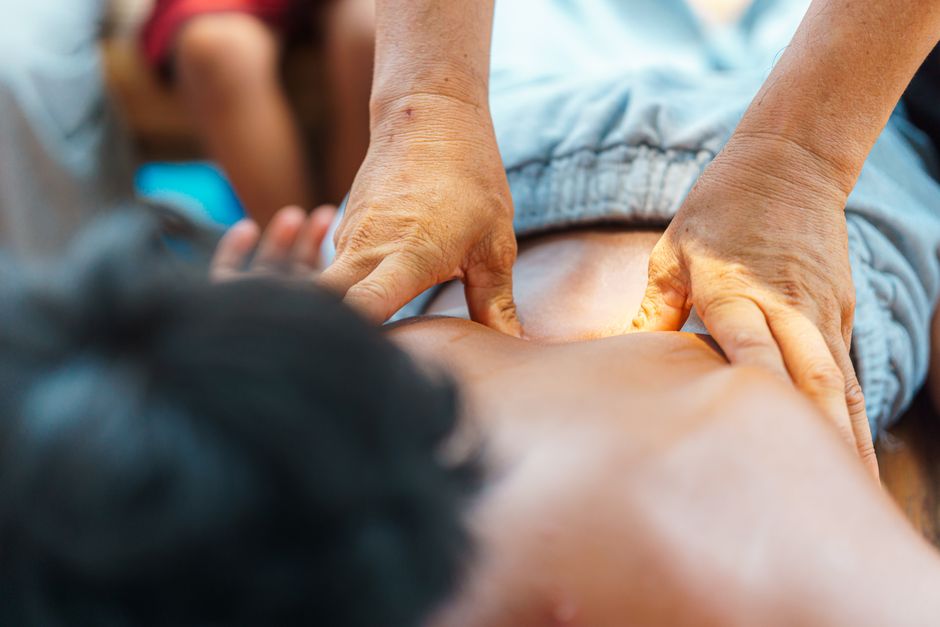
Your heart beats about 100,000 times a day, pushing blood through roughly 60,000 miles of blood vessels. That system works best when those vessels stay flexible, when blood flows easily, and when the muscles around them stay active. The most effective natural ways to improve circulation are regular movement, staying well hydrated, eating a diet rich in nitrates and antioxidants, avoiding smoking, and managing conditions like high blood pressure and diabetes. None of these are exotic. Most are free.
How Can I Improve My Circulation Naturally?
Circulation is not a single thing you fix. It is the result of several systems working together: the pump (your heart), the pipes (your arteries, veins, and capillaries), and the fluid itself (your blood). Improving circulation means supporting all three.
The most direct lever you have is physical movement. When you walk, your calf muscles squeeze the deep veins in your legs and push blood back toward your heart. This is called the skeletal muscle pump, and it is one reason prolonged sitting is hard on circulation. Your veins do not have a strong built-in pump the way your arteries do — they rely heavily on muscle contraction and one-way valves to keep blood moving upward.
Beyond movement, the health of your blood vessel lining matters enormously. That lining is called the endothelium. It is a single layer of cells that releases nitric oxide, a molecule that signals blood vessels to relax and widen. When the endothelium is damaged — by smoking, high blood sugar, or chronic high blood pressure — vessels stiffen and circulation suffers. Many natural approaches to circulation work by supporting endothelial function.
Does Exercise Really Improve Circulation?
Yes. This is one of the most consistent findings in cardiovascular research. Regular aerobic activity improves the ability of your blood vessels to dilate, lowers resting blood pressure in many people, and improves how efficiently your heart pumps.
The type of exercise matters less than the consistency. Walking, cycling, swimming, and dancing all work. What they share is rhythmic contraction of large muscle groups, which stresses the cardiovascular system in a productive way.
For people who sit for long stretches, even short movement breaks help. Getting up every hour to walk for a few minutes activates the muscle pump in your legs and reduces blood pooling. This is not a substitute for regular exercise, but it addresses the specific problem of stagnant circulation during sedentary time.
Resistance training also contributes. Building muscle in your legs and calves strengthens the pump mechanism that returns blood to your heart. Some evidence suggests that a combination of aerobic and resistance training supports vascular health better than either alone, though the research on this specific comparison is not definitive.
What Foods Support Healthy Circulation?
Certain foods contain compounds that your body uses to support blood vessel function. The most studied are dietary nitrates, found in leafy greens and beets, and polyphenols, found in berries, dark chocolate, and olive oil.
Dietary nitrates from vegetables are converted by bacteria in your mouth into nitrite, then in your body into nitric oxide. That is the same molecule your endothelium produces. This pathway is well established. It is one reason vegetables like spinach, arugula, and beetroot appear in circulation research.
Here is a non-obvious point: antibacterial mouthwash can interfere with this process. The bacteria on your tongue that convert nitrate to nitrite are killed by many mouthwashes, which may reduce the circulation benefits of a nitrate-rich meal. The clinical significance of this is still being studied, but the mechanism is real.
Other dietary factors with reasonable evidence behind them:
- Omega-3 fatty acids from fish may support blood vessel flexibility and reduce inflammation. The evidence is stronger for cardiovascular health broadly than for circulation specifically.
- Polyphenols in berries, cocoa, and green tea have been linked to improved endothelial function in some studies.
- Potassium-rich foods like bananas, potatoes, and beans help counterbalance sodium and may support healthy blood pressure.
- Water keeps blood at a normal viscosity. Dehydration thickens blood slightly and makes the heart work harder.
What does not have strong evidence: most circulation supplements sold online. If a product claims to “boost circulation” without specifying a mechanism or citing human trials, treat that claim with skepticism.



Does Smoking and Alcohol Affect Circulation?
Smoking damages the endothelium directly. Chemicals in tobacco smoke reduce nitric oxide availability, cause blood vessels to narrow, and promote plaque buildup in arteries. These effects are well documented and occur even in people who smoke relatively few cigarettes.
The good news is that some of this damage reverses after quitting. Endothelial function begins to improve within weeks of stopping smoking, though full recovery depends on how long and how heavily a person smoked. This is one of the clearest cause-and-effect relationships in cardiovascular medicine.
Alcohol is more complicated. Heavy drinking raises blood pressure and can weaken the heart muscle over time. Moderate drinking has been associated in some observational studies with slightly better cardiovascular outcomes, but more recent research has questioned whether that association is causal. Current thinking in the field has shifted toward the view that no level of alcohol consumption is clearly beneficial for cardiovascular health.
Can Cold Showers or Contrast Therapy Improve Circulation?
Cold exposure causes blood vessels near your skin to constrict, then dilate when you warm up. This is a real physiological response. Whether it produces lasting improvements in circulation is a different question.
Some research suggests that regular cold exposure may train blood vessels to respond more efficiently, and contrast therapy — alternating hot and cold water — is used in sports recovery. But the evidence for long-term circulatory benefits in healthy adults is limited. Most studies are small and short-term.
What cold showers reliably do is increase alertness and activate the sympathetic nervous system. That is not the same as improving circulation. If you enjoy cold showers, there is no strong reason to stop. If you are doing it specifically to improve your circulation, the evidence does not strongly support that goal.
People with Raynaud’s phenomenon, heart conditions, or circulation problems should talk to a doctor before trying cold exposure, because sudden cold can trigger vasospasm in susceptible people.
When Is Poor Circulation a Medical Problem?
Occasional cold hands and feet are normal. They often reflect a healthy response to temperature, not a circulation disorder. But certain symptoms warrant medical attention.
Peripheral artery disease (PAD) is a condition where arteries in the legs narrow, usually from atherosclerosis. It affects a significant number of adults over 50, and many people who have it do not know. Symptoms can include leg pain or cramping when walking that improves with rest, cold or numb feet, and slow-healing wounds on the legs or feet.
Other signs that circulation may be compromised:
- Persistent swelling in the legs or ankles
- Skin color changes in the fingers or toes in response to cold or stress
- Sudden coldness or pallor in one limb
- Chest pain or shortness of breath with exertion
Sudden severe pain, coldness, or discoloration in a limb is a medical emergency. It can indicate an arterial blockage that requires immediate treatment.
Chronic conditions like diabetes, high blood pressure, and high cholesterol all damage blood vessels over time. Managing these conditions is one of the most effective things a person can do for their circulation, even though it is not a “natural” remedy in the lifestyle sense.
Do Circulation Supplements Actually Work?
Most do not have strong evidence behind them. The supplement industry is loosely regulated in the United States, and products marketed for circulation often make claims that have not been tested in human trials.
A few ingredients have some research support, though results vary:
- L-citrulline is an amino acid that the body converts to L-arginine, which is a precursor to nitric oxide. Some small studies suggest it may improve blood flow, but the evidence is not strong enough to call it established.
- Beetroot extract contains dietary nitrates. Studies show it can raise nitrite levels in the blood, but whether that translates to meaningful circulation improvement in healthy people is unclear.
- Ginkgo biloba has been studied for circulation-related conditions, with mixed results. It can interact with blood thinners and should not be taken without medical guidance.
If you take any medication, check with a doctor or pharmacist before adding a supplement. Some, like ginkgo and high-dose fish oil, can increase bleeding risk.
What Lifestyle Changes Have the Strongest Evidence?
If you want to focus on what is most likely to help, these have the most consistent research support:
- Move regularly. Aim for at least 150 minutes of moderate aerobic activity per week, which is the general recommendation from major health organizations. Break up long sitting periods.
- Do not smoke. This is the single most impactful change for vascular health.
- Manage blood pressure and blood sugar. Both directly affect blood vessel health.
- Stay hydrated. Drink water throughout the day, especially in hot weather or during exercise.
- Eat vegetables high in nitrates. Leafy greens and beets are good choices.
- Maintain a healthy weight. Excess weight increases the workload on your heart and blood vessels.
None of these are dramatic. That is the point. Circulation responds to consistent habits more than to any single intervention. The person who walks daily, does not smoke, and keeps their blood pressure in check will almost certainly have better circulation than someone relying on a supplement.
Frequently Asked Questions
Can poor circulation be reversed naturally?
Some aspects of poor circulation can improve with lifestyle changes, especially if the cause is inactivity, dehydration, or smoking. Damage from advanced atherosclerosis is generally not reversible, but progression can often be slowed.
What is the fastest way to improve circulation?
Physical movement produces the quickest measurable change because it activates the muscle pump and triggers blood vessel dilation within minutes. Standing up and walking for a few minutes is the fastest thing you can do.
Do cold showers improve blood circulation long-term?
The evidence for long-term circulatory benefits from cold showers is limited and mostly from small, short-term studies. Cold exposure does cause blood vessels to constrict and then dilate, but whether this produces lasting improvement is not well established.
Are there foods that improve circulation quickly?
Foods high in dietary nitrates, like beets and leafy greens, can raise nitrite levels in the blood within a few hours. Whether this produces noticeable circulation improvement in healthy people is not clearly established.
