
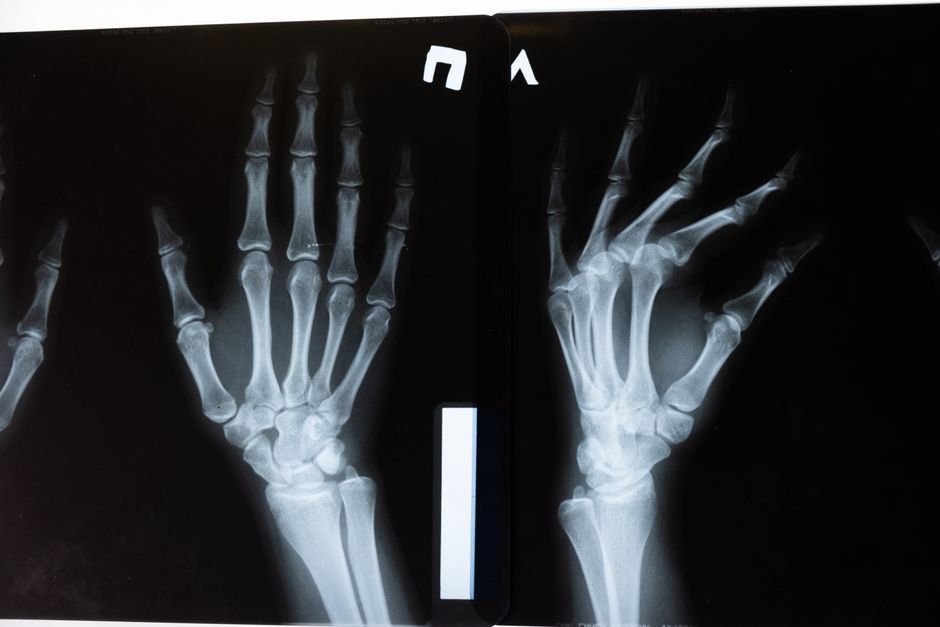
Bone is living tissue that constantly breaks down and rebuilds itself. After 60, the breakdown side of that equation tends to win. You cannot fully reverse age-related bone loss, but you can slow it, and in some cases modestly increase bone mineral density, through resistance training, adequate calcium and vitamin D, enough protein, and reducing falls. No supplement or single food does this on its own.
How To Increase Bone Density After 60 Naturally
The most effective natural approach combines two things: mechanical stress on bone and adequate raw materials to build it. Neither works well alone.
Bone responds to load. When you lift something heavy, or push against resistance, the bone bends slightly. Cells called osteocytes sense that strain and signal osteoblasts — the cells that build new bone — to lay down more mineral. This is why weight-bearing and resistance exercise consistently show up in bone research. It is also why swimming and cycling, while excellent for your heart, do relatively little for bone density. The bone does not feel enough load in water or on a bike seat.
The second half is nutrition. Your body needs calcium as the raw mineral, vitamin D to absorb it, and protein to build the collagen framework that mineral attaches to. Miss any of these and exercise alone will not get you far.
One clarification worth making: “naturally” does not mean “without effort” or “without medical care.” If you have osteoporosis, natural strategies are a complement to treatment, not a replacement. More on that below.
Why Does Bone Loss Accelerate After 60?
Peak bone mass is reached in your late 20s. From roughly age 40 onward, both men and women lose bone, but the pattern differs.
In women, bone loss speeds up sharply in the years around menopause. Estrogen normally restrains the cells that break down bone (osteoclasts). When estrogen falls, that brake loosens, and bone resorption outpaces formation. Some women lose a meaningful share of trabecular bone — the spongy inner structure — in the first several years after menopause. Men lose bone too, but more gradually, partly tied to declining testosterone and other factors.
Several other forces stack up with age:
- Less physical activity, especially less loading of the skeleton
- Reduced calcium absorption in the gut
- Lower vitamin D from skin as it ages and from less sun exposure
- Lower muscle mass, which means less pull on bone
- Some medications, including long-term glucocorticoids, that directly harm bone
The result is a skeleton that is thinner, more porous, and more likely to fracture. A fragility fracture — breaking a bone from a fall at standing height or less — is often the first sign something is wrong.
Which Exercises Actually Build Bone?
Resistance training and impact loading are the two categories with the strongest support. Walking, while good for general health, is generally not enough on its own to build bone density in the spine and hip.
What tends to matter:
- Progressive resistance training — lifting weights, using resistance bands, or bodyweight work where you gradually increase load. Two to three sessions per week is a common starting point.
- Weight-bearing impact — activities like brisk walking with some bounce, stair climbing, dancing, or low-level hopping if your joints and balance allow.
- Balance work — tai chi, single-leg stands, and similar training. This does not build bone directly, but it reduces falls, and falls are what turn low bone density into fractures.
The principle is overload. If a weight feels easy, your bone has no reason to adapt. You need to progressively ask more of it. That said, if you have osteoporosis or a prior fragility fracture, some movements — especially forward bending and twisting of the spine — carry higher fracture risk, and you should get guidance from a clinician or physical therapist before starting.
It is also worth being honest about magnitude. Exercise can slow bone loss and produce modest gains in some studies, but it is not a dramatic reversal. The realistic goal is preserving what you have and reducing fracture risk, with any density increase as a bonus.
What Should You Eat for Stronger Bones?
Three nutrients carry most of the weight: calcium, vitamin D, and protein. Getting them from food first is reasonable, with supplements filling gaps.
Calcium needs rise with age because absorption drops. For women over 50 and men over 70, the recommended daily calcium intake is generally around 1,200 mg. For men 51 to 70, it is about 1,000 mg. Food sources include dairy, fortified plant milks, canned fish with bones, tofu made with calcium, and leafy greens like kale and collard greens.
Vitamin D is trickier because few foods contain much of it naturally. Fatty fish, egg yolks, and fortified products help. Sun exposure produces vitamin D in skin, but aging skin makes less of it, and many people live at latitudes or in climates where winter sun is not enough. The recommended daily allowance is 600 IU for adults up to 70 and 800 IU after 70, though many clinicians recommend more, and some people need higher amounts to reach a normal blood level. Vitamin D status is best judged by a blood test, not guesswork.
Protein matters more than most people realize. Bone is roughly half protein by weight. Older adults often eat less protein than they need, and low intake is linked to bone loss and muscle loss. General guidance for older adults is often cited around 1.0 to 1.2 grams per kilogram of body weight per day, though individual needs vary with kidney function and other conditions — check with your doctor if you have kidney disease.
| Nutrient | Typical daily target (older adults) | Common food sources |
|---|---|---|
| Calcium | About 1,000–1,200 mg | Dairy, fortified plant milk, canned sardines with bones, tofu, kale |
| Vitamin D | 600–800 IU (more if blood level is low) | Fatty fish, egg yolks, fortified foods, sunlight |
| Protein | Often around 1.0–1.2 g per kg body weight | Meat, fish, eggs, dairy, beans, lentils, soy |
Other nutrients — magnesium, vitamin K, potassium — are involved in bone metabolism, but the evidence that supplementing them above normal dietary levels increases bone density is weak. Food sources are reasonable; high-dose supplements are not well supported.
Do Supplements and “Bone Health” Products Work?
Calcium and vitamin D supplements can help when your diet or blood levels fall short. That is a real, evidence-supported role. Beyond those two, most products marketed for bone health have thin or absent evidence.
Collagen supplements, for example, are heavily marketed for bone and joint health. Some small studies suggest possible effects, but the evidence is not strong enough to call it established. Strontium supplements can raise bone density readings on a scan, but this partly reflects how strontium is incorporated into bone and can make results harder to interpret — and its effect on fracture risk is debated. High-dose vitamin A and certain other supplements may actually be harmful to bone at excess levels.
The honest position: no supplement has been shown to match the combined effect of resistance exercise plus adequate calcium, vitamin D, and protein. If a product promises to “rebuild bone” or “reverse osteoporosis,” that claim is not supported by strong human trial evidence.
When Natural Strategies Are Not Enough
If you have osteoporosis, or you have already had a fragility fracture, lifestyle alone is usually not sufficient. This is where medical treatment matters, and it is not a failure to need it.
Osteoporosis is diagnosed by a DXA bone density scan, which reports a T-score. A T-score of −2.5 or lower at the hip or spine generally indicates osteoporosis. A score between −1.0 and −2.5 indicates osteopenia (low bone mass but not osteoporosis). These thresholds are standard and widely used.
Prescription medications — including bisphosphonates, denosumab, and anabolic agents — can reduce fracture risk, and some can increase bone density more than lifestyle changes alone. Whether you need them depends on your T-score, fracture history, age, and other risk factors. This is a conversation to have with your doctor, not something to self-manage.
A practical point many people miss: the goal is not a number on a scan. It is avoiding fractures. Someone with modest bone loss and good balance may be at lower risk than someone with better density who falls often. Treat the whole picture.
What Else Reduces Your Fracture Risk?
Reducing falls may do more for your real-world safety than any single bone-building strategy.
- Review your medications with your doctor — some, including certain sedatives and blood pressure drugs, increase fall risk
- Check your vision and hearing
- Remove tripping hazards at home and improve lighting
- Keep up strength and balance training
- Limit alcohol and do not smoke — both are linked to lower bone density
Smoking and heavy alcohol use are consistently associated with weaker bones. Cutting back is one of the few lifestyle changes with a clear, well-documented link to bone health.
Frequently Asked Questions
Can you actually increase bone density after 60?
Yes, modest increases are possible, mainly with progressive resistance training and adequate calcium, vitamin D, and protein. The more realistic goal for most people is slowing bone loss and reducing fracture risk rather than large gains.
Is walking enough to build bone after 60?
Walking supports general health and some weight-bearing benefit, but it is usually not enough on its own to build bone density in the spine and hip. Adding resistance training and impact or balance work matters more for bone.
What is the best calcium source for older adults?
Food sources such as dairy, fortified plant milks, canned fish with bones, and calcium-set tofu are generally preferred. Supplements are reasonable when diet falls short, but total daily intake around 1,000–1,200 mg is the usual target.
Should I take a supplement to rebuild bone?
Calcium and vitamin D supplements help when intake or blood levels are low, but no supplement has been shown to match exercise plus good nutrition for bone. Products claiming to reverse osteoporosis are not supported by strong evidence.
