
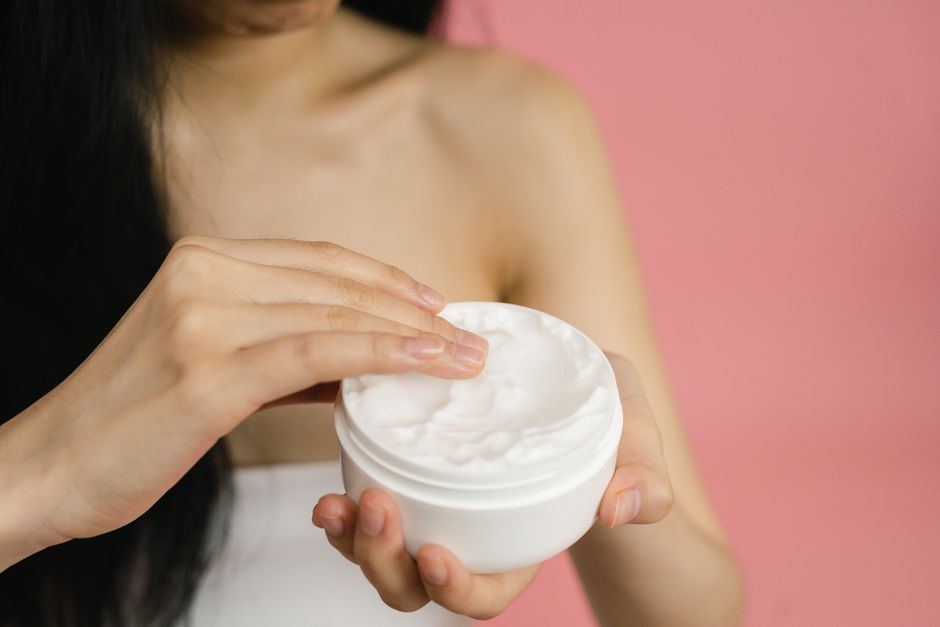
Dry hair does not always need oil to feel soft again. The main way to moisturize hair without oil or grease is to add water or water-based moisture, then seal it in with a lightweight conditioner, leave-in product, or a humectant like glycerin. The trick is the order: water first, a light sealing layer second, and a gentle routine that keeps your hair’s outer layer smooth instead of coated in heavy product.
Most “oil-free” hair products still work because they hold water against the hair. Understanding a little about how hair actually holds moisture makes the whole process easier to get right.
How To Moisturize Hair Without Oil Or Grease
Hair is not a living thing once it leaves the scalp. The strand you see is mostly protein, and it cannot produce its own moisture. Everything that makes it feel soft comes from the outside.
Hair has an outer layer called the cuticle. Picture it like overlapping roof shingles. When the cuticle lies flat, light reflects off it and hair looks smooth. When it lifts or cracks, moisture escapes and hair feels rough. So moisturizing is really two jobs: getting water into the strand, and keeping the cuticle smooth so that water does not leave.
Water is the actual moisturizer. Oil and grease mostly sit on the surface and slow water loss. That is why you can skip oil entirely and still hydrate hair — you just need water plus something light to hold it in.
Here is the basic sequence that works for most people:
- Wet hair with plain water.
- Apply a water-based conditioner or leave-in while hair is still damp.
- Use a small amount of a light sealing product if your hair is very dry.
- Let hair air-dry or use low heat.
The key is applying product to damp hair. Once hair is fully dry, most water-based products sit on top and do little. Damp hair absorbs and holds that water far better.
Why Does Hair Feel Dry Even When You Use Conditioner?
Dryness usually comes from damage or from habits that strip the cuticle. If the outer layer is roughed up, water escapes as fast as you add it.
Common causes include:
- Frequent hot-water washing, which lifts the cuticle.
- Shampoos that are harsh and remove too much natural oil.
- Heat styling — blow dryers, flat irons, and curling wands.
- Chemical treatments like bleach, dye, and relaxers.
- Rubbing hair with a rough towel.
- Brushing wet hair aggressively.
One thing people miss: a conditioner can only do so much if the cuticle is already damaged. Conditioner smooths the surface and helps hair hold water, but it cannot repair a broken strand. So if your hair stays dry no matter what you use, the answer is often less damage rather than more product.
There is also a difference between hair that is dry and hair that is damaged. Dry hair lacks water and can improve with moisture and gentler care. Damaged hair has structural loss and often feels rough or breaks no matter how much product you add. If hair snaps easily or feels gummy when wet, that points more toward damage than simple dryness.
What Ingredients Moisturize Hair Without Oil?
Several ingredient types add or hold moisture without leaving a greasy film. You will find them listed on the back of most conditioners and leave-in sprays.
Humectants attract and hold water. Common ones include glycerin, sorbitol, and panthenol (a form of vitamin B5). These pull moisture toward the hair and help it stay hydrated.
Lightweight silicones like dimethicone and cyclomethicone form a thin, smooth film. They are not oils, and they help hair feel soft and look shiny. Some people avoid silicones, but for many they are an effective, non-greasy way to reduce moisture loss. They can build up over time, so a clarifying wash now and then helps.
Proteins like hydrolyzed wheat or silk protein can temporarily fill gaps in the cuticle. They do not add water, but they can make hair feel smoother. Too much protein can make hair stiff, so these are best used in moderation.
Plain water itself is the simplest moisturizer of all. A spray bottle of water used on second-day hair, followed by a light leave-in, refreshes hair without any oil.




Does Glycerin Really Help Dry Hair?
Glycerin is one of the most common humectants in hair products, and it does help hair hold water. But it is not a magic fix, and it behaves differently depending on the air around you.
Humectants draw water from their surroundings. In humid air, that works in your favor — glycerin pulls moisture from the air into your hair. In very dry air, the effect can reverse, and a humectant may pull moisture out of your hair instead. This is why some people find glycerin products work well in summer and less well in dry winter air.
If you live in a dry climate, a light sealing layer on top of a glycerin product can help lock in the water before it escapes. The evidence on how much glycerin helps in real-world conditions is limited, but it is a well-established humectant and widely used for this purpose.
How Do You Moisturize Hair Without Making It Greasy?
Greasiness usually comes from using too much product, using heavy products, or applying to the wrong part of the hair. Fixing those three things solves most of it.
Start with less than you think you need. A pea-sized amount of leave-in is often enough for medium-length hair. You can always add more, but you cannot easily take it out.
Focus product on the mid-lengths and ends, not the roots. The scalp produces its own natural oil, so the roots rarely need added moisture. Applying product near the scalp is a common reason hair looks greasy within hours.
Choose water-based products over oil-based ones. Lotions, milks, and sprays are usually lighter than creams and butters. If a product’s first ingredients are water and glycerin, it will generally feel lighter than one built around heavy oils or butters.
Apply to damp hair, not soaking wet and not bone dry. Damp hair spreads product more evenly and needs less of it.
Does the Way You Wash and Dry Hair Matter?
Washing and drying habits often matter more than the product you use. Gentle handling protects the cuticle, and a smooth cuticle holds moisture better.
Wash with lukewarm water rather than hot. Hot water lifts the cuticle and strips more of the scalp’s natural oil. You do not need to shampoo every day — many people do well washing every two to three days, though this varies by hair type and scalp.
When you dry, pat or squeeze hair with a soft towel instead of rubbing. Rubbing roughens the cuticle. A cotton T-shirt or a microfiber towel is gentler than a standard bath towel for many people.
Limit heat. If you use a blow dryer, keep it on a lower heat setting and hold it several inches away. For flat irons and curling wands, the general guidance is to use the lowest heat that gets the job done and to avoid repeated passes over the same section.
One detail worth knowing: hair is weakest when it is wet. Brushing or combing wet hair forcefully can stretch and snap it. If you detangle in the shower, use a wide-tooth comb and plenty of conditioner for slip.
Do You Need to Seal Hair After Moisturizing?
Sealing means adding a light layer that slows water from escaping. It is the step that makes moisture last longer, and it does not require oil.
Light silicones, a small amount of a water-based cream, or a lightweight leave-in can all act as a seal. The goal is a thin film, not a coating. Think of it like a jacket, not a raincoat — enough to slow moisture loss without smothering the hair.
For very fine hair, sealing may not be needed at all, since heavy layers weigh hair down. For thick or coarse hair, a light sealing step often makes a noticeable difference in how long hair stays soft.
The honest position: sealing helps, but how much it helps depends on your hair type, the climate, and how damaged your hair is. There is no single product that works for everyone.
When Should You See a Professional?
If hair stays dry and brittle despite gentle care and regular moisturizing, a few things are worth checking.
Sudden changes in hair texture, heavy shedding, or patches of hair loss are not normal dryness and are worth a conversation with a doctor or dermatologist. These can have causes that no conditioner will fix, including thyroid issues, nutritional deficiencies, or scalp conditions.
If hair breaks off close to the scalp or feels mushy and stretchy when wet, that often signals significant damage. In those cases, trimming damaged ends and pausing chemical and heat treatments does more than adding more product.
Frequently Asked Questions
Can you moisturize hair without any oil at all?
Yes. Water is the actual moisturizer, and water-based conditioners, leave-ins, and humectants like glycerin can hold that water in the hair without any oil. Oil mainly slows moisture loss, so it is helpful but not required.
What is the best way to moisturize dry hair without making it greasy?
Apply a small amount of a water-based product to damp hair, focusing on the mid-lengths and ends rather than the roots. Using less product and keeping it away from the scalp is the main way to avoid a greasy look.
Does glycerin work for dry hair?
Glycerin is a well-established humectant that helps hair hold water, and it is widely used in moisturizing products. Its effect can vary with humidity, and it may work less well in very dry air.
How often should you moisturize your hair?
There is no single correct frequency, since it depends on your hair type, climate, and how dry your hair is. Many people refresh hair with water and a light leave-in between washes, while others do well with less frequent moisturizing.
