
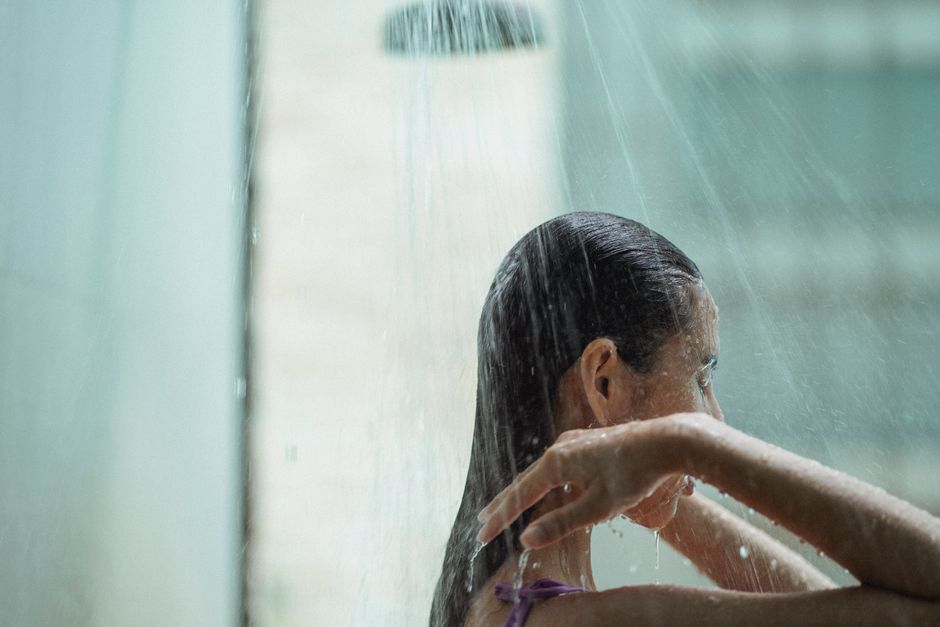
You can wash your hair without shampoo using water alone, water with mechanical scrubbing, or gentle alternatives like diluted baking soda, apple cider vinegar rinses, or certain plant-based powders. The approach that works depends on your hair type, scalp oil production, and how much product buildup you have. No single method suits everyone, and some popular internet routines can cause real damage if used incorrectly.
What Does Shampoo Actually Do to Your Hair?
Shampoo cleans hair through surfactants. These are molecules with one end that binds to oil and dirt and another end that binds to water. When you lather and rinse, surfactants lift sebum, sweat, dead skin cells, and styling product residue off the scalp and hair shaft, then carry them down the drain.
The most common surfactants in shampoo are sulfates, such as sodium lauryl sulfate and sodium laureth sulfate. These are effective degreasers. They can also strip too much natural oil from the scalp and hair, which is why some people experience dryness, irritation, or increased oil production after switching to harsh formulas.
Your scalp produces sebum continuously. Sebum is not dirt. It is a waxy, oily substance that moisturizes the scalp and coats the hair shaft. It provides some water resistance and keeps hair from becoming brittle. The goal of any washing method, with or without shampoo, is to remove excess oil and debris without stripping the scalp completely.
Water alone can remove some oil and water-soluble debris. It cannot remove heavy silicones, waxes, or large amounts of sebum the way a surfactant can. This is the central limitation of the no-shampoo approach, and it matters for how you build a routine.
How To Naturally Wash Hair Without Shampoo: The Main Methods
The methods people use fall into a few categories, each with different cleaning power and different risks.
- Water-only washing. You rinse and scrub the scalp with warm water and your fingertips or a silicone scalp brush. This removes some surface oil and loose debris. It does not remove heavy product buildup.
- Mechanical cleaning. A fine-tooth comb, boar-bristle brush, or scalp massager helps distribute sebum down the hair shaft and lift debris. This is often paired with water-only washing.
- Diluted baking soda. A paste or solution of baking soda and water is used as a substitute cleanser. It is alkaline and can be harsh on hair and scalp with repeated use.
- Acidic rinses. Diluted apple cider vinegar or lemon juice is used after washing to help smooth the hair cuticle and restore a more acidic pH. Vinegar does not clean oil the way a surfactant does.
- Plant powders. Powders such as shikakai, reetha (soapnut), and chickpea flour have traditional use as hair cleansers. Some contain natural saponins, which are plant compounds that can lather and lift oil.
- Conditioner-only washing. Some people use a lightweight conditioner to massage the scalp and rinse, relying on its mild emulsifiers to lift some oil. This is not the same as a true no-product routine.
The key distinction is between methods that remove oil (surfactants, saponins, baking soda) and methods that mainly redistribute or manage oil (water, brushing, acidic rinses). If your scalp produces a lot of oil, water-only washing often is not enough on its own.
Does the No-Shampoo Method Work for Everyone?
No. Results depend heavily on individual scalp biology and hair type.
People with dry scalps and coarse or curly hair often adapt well to less frequent washing, because their scalps produce less oil and their hair tolerates the natural sebum. People with oily scalps, fine hair, or seborrheic dermatitis tend to struggle. Fine hair shows oil quickly, and a heavy sebum load can make it look flat and greasy within a day.
There is a widely repeated claim that scalp oil production “balances out” after a few weeks of no-shampoo washing, so hair stops looking greasy. This is not well supported by clinical evidence. Sebum production is driven by hormones and individual gland activity, not by how often you wash. Some people do notice their hair feels less dry over time, but the idea that oil production permanently self-regulates is largely anecdotal.
Seborrheic dermatitis is a medical condition involving inflammation, flaking, and sometimes a yeast called Malassezia that lives on the scalp. Water-only washing does not treat it and may worsen flaking. If you have a diagnosed scalp condition, follow the treatment your clinician recommends rather than a no-shampoo routine.



What Are the Risks of Ditching Shampoo?
The main risks are buildup, scalp irritation, and hair damage from harsh substitutes.
Without surfactants, silicones, oils, and styling products accumulate on the hair shaft. This buildup can make hair look dull, feel stiff, and become harder to manage. It can also trap debris against the scalp.
Baking soda is alkaline, with a pH around 9. Hair and scalp are naturally acidic, closer to pH 4.5 to 5.5. Repeated use of a strongly alkaline substance can roughen the hair cuticle, leading to breakage and a dry, brittle texture. Many dermatologists advise against using baking soda on hair regularly for this reason.
Apple cider vinegar is acidic and can help smooth the cuticle when diluted, but undiluted vinegar is irritating to skin and can cause chemical burns in rare cases with prolonged contact. It should always be diluted, and it does not replace a cleanser.
Essential oils are sometimes added to homemade washes. Some, like tea tree oil, have evidence for certain scalp conditions when used at appropriate dilutions. Others can cause allergic contact dermatitis. No clinical guidelines exist for making your own essential oil hair wash, and concentrations vary widely.
How Do You Transition to Washing Without Shampoo?
Transition gradually rather than quitting shampoo abruptly. This reduces the shock of sudden buildup and lets you judge what your scalp actually needs.
Start by stretching the time between washes. If you normally wash daily, try every other day, then every third day. Use warm, not hot, water. Hot water strips oil faster and can irritate the scalp.
Massage the scalp with your fingertips or a soft silicone brush for a minute or two while rinsing. This loosens debris and helps move sebum away from the roots. Rinse thoroughly. Leftover residue is a common cause of the greasy feeling people blame on the method itself.
If water alone is not enough, a mild, fragrance-free cleanser or a traditional plant powder may work better than baking soda or vinegar. There is no established schedule for how often to wash without shampoo. Wash when your scalp feels oily or itchy, not on a fixed timetable.
When Should You Not Skip Shampoo?
Some situations call for regular cleansing with a proper shampoo or medicated product.
If you use heavy styling products, silicones, or leave-in oils, water alone will not remove them. If you have dandruff, seborrheic dermatitis, psoriasis of the scalp, or a fungal infection, these conditions often need specific treatment. Medicated shampoos containing ingredients like ketoconazole, zinc pyrithione, or selenium sulfide are used for some of these conditions, and skipping them can let the problem worsen.
If you have a very oily scalp, live in a humid climate, or sweat heavily from exercise, oil and sweat accumulate faster. Rinsing with water helps, but it may not be enough to keep the scalp comfortable.
If you develop persistent itching, redness, sores, or significant hair shedding, stop the routine and see a clinician. Hair shedding can have many causes, and a no-shampoo routine is rarely the sole reason, but it is worth having evaluated.
Do Natural Hair Washes Actually Clean Your Hair?
Some do, to a degree. Plant powders like soapnut and shikakai contain saponins, which are natural surfactants that can lift oil. They have a long history of use in South Asian hair care. That said, most of the evidence for their effectiveness is traditional and observational, not from controlled clinical trials.
Baking soda can remove oil because of its alkalinity and mild abrasiveness, but the same property that makes it clean also makes it damaging with repeated use. Vinegar does not clean oil. It conditions and smooths.
The honest position is that no natural alternative has been shown in rigorous human trials to clean hair as effectively and as safely as a well-formulated shampoo. That does not mean natural methods cannot work for some people. It means the claims should be judged on what the evidence actually shows, which is limited.
Frequently Asked Questions
Can I wash my hair with just water?
Yes, water-only washing can remove some surface oil and debris, especially if you scrub the scalp and rinse thoroughly. It does not remove heavy product buildup or large amounts of sebum the way a surfactant does.
Is baking soda safe for washing hair?
Baking soda is alkaline and can roughen the hair cuticle and cause dryness or breakage with repeated use. Many dermatologists advise against using it regularly on hair.
How long does it take for hair to adjust to no shampoo?
There is no established timeline, and the idea that oil production “balances out” is largely anecdotal rather than proven. Some people notice a change within weeks; others never adjust and find water-only washing insufficient.
Does apple cider vinegar clean hair?
No, vinegar does not remove oil the way a cleanser does. It is used as a diluted acidic rinse to help smooth the hair cuticle, and it should always be diluted before use.
