
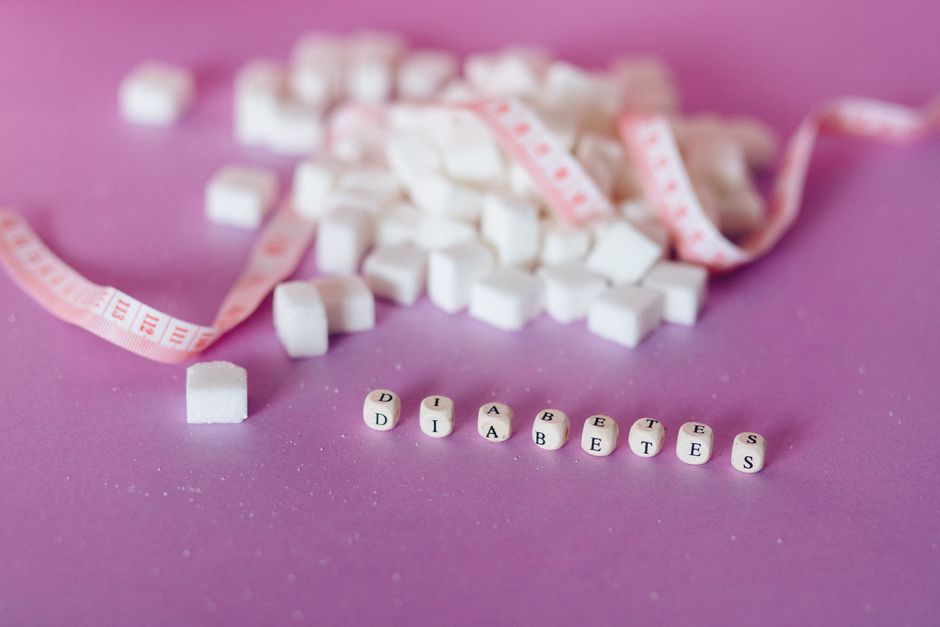
Sugar content can be measured in a grape, a glass of orange juice, and your own bloodstream — and each one requires a completely different tool. A refractometer reads Brix in fruit or juice. A blood glucose meter reads milligrams of glucose per deciliter of blood. They are not interchangeable, and confusing them leads to real mistakes.
The key difference is what is being measured. Brix estimates total dissolved solids — mostly sugars — in a liquid like fruit juice or wine must. Blood tests measure specific sugar molecules, primarily glucose, in your blood. One is an agricultural and food-industry measurement. The other is a clinical diagnostic tool.
Understanding how each method works, and where each one is appropriate, helps you interpret numbers correctly whether you are reading a juice label, testing fruit ripeness, or reviewing your own lab results.
What Is Brix And What Does It Actually Measure?
Brix is a scale that estimates the concentration of dissolved solids in a liquid, expressed as degrees Brix (°Bx). One degree Brix equals 1 gram of dissolved solids per 100 grams of solution. In fruit juice, wine, and soft drinks, those dissolved solids are mostly sugars — sucrose, fructose, and glucose.
The scale was developed by Adolf Brix, a 19th-century German mathematician, as a refinement of earlier sugar scales. It remains the standard in food science, winemaking, and agriculture today.
Here is the important limitation. Brix does not measure sugar specifically. It measures anything dissolved in the liquid that affects how light bends or how dense the solution is. Minerals, acids, and other compounds contribute too. In pure sucrose solutions, Brix is very accurate. In complex fruit juices, it is an approximation.
A refractometer works by measuring how much light bends when it passes through a drop of liquid. More dissolved solids means more bending. A hydrometer measures density instead — a denser liquid floats the instrument higher. Both can be calibrated to read in Brix.
Brix values for common fruits give a rough sense of the scale:
- Watermelon: around 8–10 °Bx
- Oranges: around 10–13 °Bx
- Apples: around 12–16 °Bx
- Grapes (wine varieties at harvest): around 20–25 °Bx
These ranges vary widely by variety, growing conditions, and ripeness. A high Brix reading in fruit does not mean the fruit is healthier. It means it contains more dissolved solids, which usually means more sugar and a sweeter taste.
How Do You Use A Refractometer To Measure Brix?
A refractometer is the most common tool for measuring Brix in the field or kitchen. It requires only a few drops of liquid and gives a reading in seconds.
The process is straightforward. Place a few drops of juice or liquid on the prism surface. Close the cover plate. Point the instrument toward a light source and look through the eyepiece. A clear line appears on the scale — that line marks the Brix value.
Most refractometers need calibration before use. Distilled water should read 0 °Brix. If it does not, you adjust the calibration screw until it does. Temperature also affects readings. Many instruments are calibrated for 20°C (68°F). If your sample is significantly warmer or colder, the reading will be off unless the device has automatic temperature compensation.
For fruit, you typically squeeze a few drops from the fruit itself. For wine must, you sample the pressed juice before fermentation begins. For processed juice or soda, you can place a drop directly on the prism.
Accuracy depends on the instrument. Inexpensive handheld refractometers may be accurate to within 1–2 °Brix. Laboratory-grade digital refractometers can be more precise. For most home and small-scale use, a handheld unit is adequate.
One common mistake: using a refractometer on cloudy or pulpy liquids. Particulate matter scatters light and makes the reading line blurry or inaccurate. Filtering or straining the sample first helps.
How Do Blood Tests Measure Sugar?
Blood sugar testing measures glucose specifically — not total dissolved solids. This distinction matters because your blood contains many dissolved substances, but only glucose is the target of diabetes monitoring and diagnosis.
Several types of blood tests measure glucose, and they answer different questions.
A random blood glucose test measures glucose at a single moment. It does not require fasting. A result of 200 mg/dL or higher, combined with symptoms of high blood sugar, can suggest diabetes, though diagnosis typically requires confirmation.
A fasting blood glucose test measures glucose after at least 8 hours without eating. Normal fasting glucose is generally considered 70–99 mg/dL. Values from 100–125 mg/dL fall into a category called prediabetes. A fasting glucose of 126 mg/dL or higher on two separate occasions is one criterion for diagnosing diabetes.
An oral glucose tolerance test (OGTT) measures glucose before and after drinking a standardized glucose solution. It shows how well your body clears glucose from the blood over time. A 2-hour value of 200 mg/dL or higher during an OGTT is another diagnostic criterion for diabetes.
Hemoglobin A1c (HbA1c) reflects average blood glucose over roughly the previous two to three months. It measures the percentage of hemoglobin that has glucose attached to it. An A1c below 5.7% is considered normal. 5.7–6.4% indicates prediabetes. 6.5% or higher is a diagnostic threshold for diabetes.
These thresholds come from widely accepted clinical guidelines and are used by clinicians across the United States and internationally.

What Is The Difference Between Brix And Blood Glucose?
Brix and blood glucose measure entirely different things in entirely different contexts. Brix is a food-quality measurement. Blood glucose is a clinical measurement.
Brix estimates the total concentration of dissolved solids in a liquid — mostly sugars, but not exclusively. It does not distinguish between sucrose, fructose, and glucose. It does not tell you how much of the sugar your body will absorb or how quickly.
Blood glucose measures one specific molecule — glucose — in one specific fluid: blood. It reflects what is circulating in your body right now, not what is in a piece of fruit or a bottle of juice.
You cannot convert Brix to blood glucose. They are not on the same scale, they do not measure the same substance, and they operate in different biological and physical contexts. A fruit with 15 °Bx does not translate to any particular blood glucose response in the person eating it.
The blood glucose response to eating fruit depends on many factors: the type of sugar, the fiber content, how ripe the fruit is, what else you ate at the same time, your individual metabolism, and your insulin sensitivity. Brix alone cannot predict any of this.
Can Brix Predict How Food Affects Blood Sugar?
No. Brix does not predict glycemic response. This is one of the most common misunderstandings about the scale.
Glycemic response — how much and how fast your blood sugar rises after eating — depends on the type of sugar, the food matrix, fiber content, processing, and individual factors. Brix tells you none of these things.
A fruit juice with a Brix of 12 and a whole fruit with a Brix of 12 may produce very different blood glucose responses. The juice lacks fiber and is absorbed faster. The whole fruit contains fiber that slows sugar absorption. Same Brix, different effect.
Even the type of sugar matters. Fructose and glucose have different metabolic pathways and different effects on blood glucose. Fructose produces a smaller immediate rise in blood glucose than glucose does, but it is metabolized primarily in the liver and has other metabolic effects. Brix does not tell you the ratio of fructose to glucose in a given sample.
For people managing diabetes or prediabetes, Brix is not a useful tool for predicting blood sugar impact. The glycemic index and glycemic load are more relevant concepts, though even those are approximations that vary between individuals.
How Do You Measure Sugar On Nutrition Labels?
Nutrition labels use a different approach entirely. In the United States, the Nutrition Facts panel lists “Total Sugars” and “Added Sugars” in grams per serving.
Total Sugars includes all sugars naturally present in the food plus any added during processing. Added Sugars includes only those added during processing — not those naturally occurring in fruit, milk, or other whole ingredients.
These values are determined by laboratory analysis, not by Brix measurement. The methods used include high-performance liquid chromatography (HPLC) and other analytical chemistry techniques that can separate and quantify individual sugars.
This is more precise than Brix. HPLC can tell you exactly how much sucrose, glucose, and fructose are present. Brix gives you a single combined number.
For practical purposes, the nutrition label is the most reliable source for consumers who want to know how much sugar is in a packaged food or drink. Brix is more useful for growers, winemakers, and food producers who need a quick field or production measurement.
Which Method Should You Use?
The right method depends entirely on what you are trying to measure and why.
| Method | What It Measures | Best For |
|---|---|---|
| Refractometer (Brix) | Total dissolved solids in liquid | Fruit ripeness, winemaking, juice quality |
| Hydrometer (Brix) | Density of liquid | Winemaking, brewing, larger samples |
| Blood glucose meter | Glucose in blood at one moment | Diabetes monitoring, daily glucose tracking |
| Fasting glucose test | Glucose after 8+ hours fasting | Diabetes screening and diagnosis |
| OGTT | Glucose clearance over 2 hours | Diagnosing diabetes and gestational diabetes |
| HbA1c | Average glucose over 2–3 months | Long-term glucose management and diagnosis |
| Nutrition label | Total and added sugars per serving | Consumer food choices |
If you are a home winemaker or gardener, a refractometer is the practical choice. If you are monitoring your blood sugar, a glucose meter or lab test is the only appropriate method. If you want to know how much sugar is in a packaged food, read the label.
None of these methods substitutes for another. They exist because sugar content is not one thing — it is a category of measurements, each answering a different question.
Frequently Asked Questions
What does a Brix reading of 12 mean?
A Brix reading of 12 means the liquid contains approximately 12 grams of dissolved solids per 100 grams of solution. In fruit juice, most of those solids are sugars, but minerals and acids contribute too.
Can I use a Brix refractometer to check my blood sugar?
No. A refractometer measures dissolved solids in liquid, not glucose in blood. Blood glucose must be measured with a blood glucose meter or a laboratory blood test.
What is a normal fasting blood glucose level?
Normal fasting blood glucose is generally considered 70–99 mg/dL. A fasting level of 126 mg/dL or higher on two separate occasions is one criterion for diagnosing diabetes.
Does high Brix fruit raise blood sugar more?
Not necessarily. Brix does not predict glycemic response because it does not account for fiber content, sugar type, or individual metabolism. A high-Brix fruit and a low-Brix fruit can produce similar blood glucose effects depending on these other factors.
