
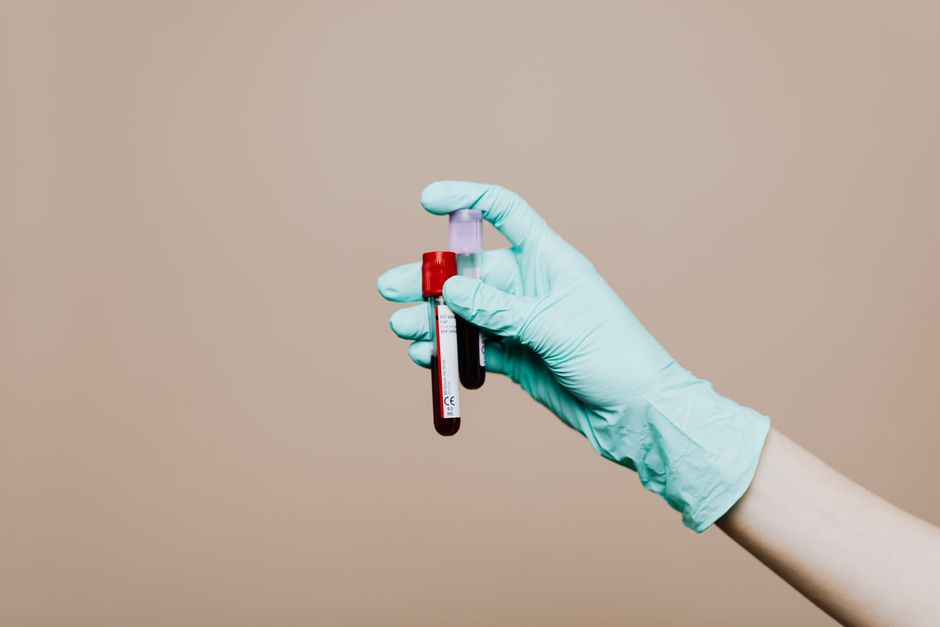
Getting married used to involve more than picking a venue and finding a witness. For much of the 20th century, many states required couples to get blood tests before they could receive a marriage license. These tests screened for sexually transmitted infections, primarily syphilis. The requirement was a public health measure aimed at preventing the spread of disease, not a commentary on a couple’s fitness for marriage. By the late 1980s, most states had dropped the requirement as treatments improved and the rationale weakened.
Why Blood Tests Were Required For Marriage Licenses
The main reason states required premarital blood tests was to control the spread of syphilis. Syphilis is a bacterial infection that can cause serious long-term health problems if untreated. In the early 20th century, it was widespread, and there were no effective antibiotics. The disease could be passed from a pregnant woman to her baby, causing congenital syphilis, which often led to stillbirth, severe deformities, or developmental disabilities.
Testing couples before marriage gave public health officials a way to identify infected individuals. Once identified, they could be treated and counseled. The goal was to prevent an infected person from unknowingly passing the disease to their spouse. It also aimed to protect future children from being born with the infection.
The first state to require premarital blood testing was Connecticut in 1935. By 1940, about half of all states had similar laws. The requirements varied by state, but the underlying purpose was the same: a simple blood test to check for syphilis before issuing a marriage license.
What Did the Blood Test Actually Check For?
The test was specifically looking for syphilis, not a broad panel of diseases. The standard screening tool was the Wassermann test, later replaced by more specific tests. These tests detected antibodies the body produces in response to a syphilis infection.
The testing was not designed to check for HIV, herpes, or other sexually transmitted infections. That came much later, and only briefly. In the 1980s, a few states attempted to add HIV testing to premarital requirements, but those laws were quickly repealed. The testing proved expensive, identified very few cases, and created access problems for couples seeking licenses.
It is also important to note that the test was not a measure of general health. A person could have high blood pressure, diabetes, or heart disease and still get a marriage license without issue. The only medical condition on the radar was syphilis.
How Common Was Syphilis at the Time?
Syphilis was a significant public health problem in the early to mid-1900s. Before penicillin became widely available in the 1940s, there was no reliable cure. The disease progressed in stages. The primary stage causes a painless sore. The secondary stage can cause rash, fever, and swollen lymph nodes. The latent stage can last for years with no symptoms. The tertiary stage, which can occur decades later, can damage the heart, brain, and other organs.
Public health campaigns of the era were aggressive. Posters warned about the dangers of the disease. Clinics offered free testing. The marriage license requirement was one piece of a broader strategy to reduce infection rates. Some research suggests that premarital testing laws did contribute to a decline in syphilis cases, though penicillin was likely the bigger factor.
By the 1950s, penicillin had transformed the treatment landscape. A single course of the antibiotic could cure syphilis. This changed everything. The disease was no longer a lifelong sentence. It became easily treatable, and the urgency behind mandatory testing faded.




Why Did States Stop Requiring the Tests?
Several factors led to the end of mandatory premarital blood testing. The most important was the effectiveness of penicillin. Once syphilis could be cured quickly and cheaply, the public health rationale for mandatory testing weakened significantly.
Cost was another major issue. The tests cost money, and the burden fell on couples. States also had to maintain the administrative infrastructure to process results. For many couples, the test was an inconvenience that delayed their wedding plans. The results were not instant, and some couples had to wait days or weeks for clearance.
There was also a growing recognition that the laws were not particularly effective. The people most at risk for syphilis were not necessarily the ones getting married. Single individuals, who faced no testing requirement, remained a major transmission vector. The mandatory testing only caught a narrow slice of the population.
By the 1980s, the number of states requiring premarital blood tests had dropped significantly. The last states to repeal their laws did so in the 1990s. Today, no state requires a blood test for a marriage license.
Are Blood Tests Required for Marriage Licenses Today?
No. As of today, no U.S. state requires a blood test to obtain a marriage license. You can get married in all 50 states without any medical testing. This applies to both opposite-sex and same-sex couples.
Some couples choose to get blood tests voluntarily. This might include genetic carrier screening or testing for sexually transmitted infections. These are personal choices, not legal requirements. A doctor can order these tests for any reason, but no clerk will ask for the results before issuing a license.
It is worth noting that some states do require proof of age and identification. You will need a birth certificate, driver’s license, or passport. But no medical records are involved.
Was the Requirement Ever Controversial?
Yes, the requirement drew criticism even while it was in place. Some people objected on privacy grounds. They did not want the government involved in their medical decisions. Others pointed out that the laws created barriers to marriage for low-income couples who could not afford the test fees.
There were also concerns about false positives. The Wassermann test was not perfectly accurate. It could produce a positive result in people who did not have syphilis. This caused unnecessary stress and required follow-up testing to confirm the diagnosis.
Despite these criticisms, the laws were widely accepted for decades. The public health benefit was seen as outweighing the individual burden. It was only when the medical landscape changed that the arguments against the laws gained traction.
What Can We Learn From This History?
The story of premarital blood testing is a clear example of how public health policy evolves. The requirement made sense in an era when syphilis was common and incurable. It became obsolete when effective treatment emerged.
It also shows how laws can shape behavior. The testing requirement pushed couples into the healthcare system. Even if they did not have syphilis, the test gave them a reason to see a doctor. This had secondary benefits, such as basic health screenings that might catch other issues.
The history is a reminder that medical requirements tied to marriage are not permanent. They reflect the knowledge and concerns of a specific time. As medicine advances, the rationale for such requirements can disappear.
Frequently Asked Questions
When did states stop requiring blood tests for marriage licenses?
Most states dropped the requirement during the 1980s, and the last states repealed their laws in the 1990s. No state requires a blood test for a marriage license today.
What diseases were the blood tests checking for?
The tests were specifically screening for syphilis. They were not checking for HIV, herpes, or any other condition.
Did the blood test check for genetic disorders?
No. The test only screened for syphilis. Genetic carrier screening for conditions like cystic fibrosis or Tay-Sachs was not part of the marriage license process.
Can a couple still get a blood test before marriage today?
Yes, any couple can request blood tests from a doctor voluntarily. These might include STI screening or genetic carrier testing, but the results are not required to obtain a marriage license.
