
Varicose veins are enlarged, twisted veins that most often appear on the legs. They happen when small one-way valves inside the veins stop closing tightly, letting blood pool instead of flowing back up to the heart. You can manage them with self-care like compression, movement, and leg elevation, and medical procedures can close or remove veins that cause pain or other problems.
What Are Varicose Veins and Why Do They Form?
Veins in your legs push blood upward against gravity. Tiny valves inside them act like gates that snap shut between heartbeats so blood cannot slide back down. When those valves weaken, blood collects in the vein. The vein stretches, twists, and rises toward the skin’s surface.
This is a mechanical problem, not a blood-quality problem. The vein wall and its valves have lost the ability to keep blood moving in one direction. That is why varicose veins tend to worsen over time rather than fix themselves.
Several things raise the odds of developing them:
- Age. Valve function tends to decline over decades.
- Family history. Varicose veins run in families.
- Pregnancy. Blood volume rises and the growing uterus puts pressure on pelvic veins.
- Standing or sitting for long stretches. Blood pools when calf muscles are not working.
- Higher body weight. Extra pressure on leg veins can contribute.
Women are more likely to develop them than men, largely because of hormonal factors and pregnancy. Spider veins are a related but milder issue. They are small, thin surface veins and usually do not cause the aching and heaviness that larger varicose veins can.
What Symptoms Do Varicose Veins Cause?
Many people have visible varicose veins with no symptoms at all. When symptoms do appear, they usually follow a pattern that gets worse through the day and better with rest and elevation.
Common complaints include:
- Aching, heaviness, or tiredness in the legs
- Swelling near the ankle, often worse by evening
- Burning, throbbing, or a feeling of fullness
- Muscle cramps, especially at night
- Itching around the vein
- Restless legs
Symptoms often ease when you lie down and lift your legs. They tend to flare after long periods of standing.
Some signs need medical attention rather than self-care. See a clinician if you notice:
- Skin changes near the ankle, such as discoloration, thickening, or a shiny tight look
- An open sore or wound that is slow to heal
- A vein that becomes hard, hot, red, and very tender
- Sudden swelling in one leg
- Bleeding from a vein
Sudden one-sided leg swelling with pain or warmth can signal a blood clot, which is a medical emergency. Seek care right away.
How To Manage Varicose Veins Self Care And Procedures
Self-care can reduce symptoms and slow how quickly veins worsen, but it does not erase veins that are already enlarged. Procedures can remove or close problem veins, though new ones can still form later.
Self-Care That Has Reasonable Support
Compression stockings are the most studied self-care option. They squeeze the leg, helping the calf muscles push blood upward and reducing pooling. Evidence shows they can ease aching, heaviness, and swelling. They do not cure varicose veins or prevent new ones.
Compression comes in different strengths, measured in millimeters of mercury (mmHg). Over-the-counter stockings are usually in the milder range. Stronger prescription compression may be needed for more serious symptoms. A clinician can advise on the right level, because too much pressure or a poor fit can cause problems.
Movement matters more than most people realize. Your calf muscles act as a pump. Every step squeezes the deep veins and pushes blood toward the heart. Long stretches of standing still or sitting without moving let blood pool.
- Stand up and walk every 30 minutes or so during long sitting.
- Flex and point your ankles while seated to keep the calf pump working.
- Avoid crossing your legs for long periods.
Elevation uses gravity to help blood drain from the legs. Lying down with your legs raised above the level of your heart, for short periods a few times a day, can reduce swelling and heaviness.
Weight management can lower pressure on leg veins. Losing excess weight does not remove existing veins, but it may reduce symptoms and slow progression.
Skin care helps prevent complications. Dry, itchy skin near varicose veins can crack and lead to sores. Moisturizing and avoiding harsh scratching can help.
What Does Not Have Strong Evidence
Some popular remedies have little or no clinical support. It is worth being clear about them.
- Horse chestnut seed extract has been studied for leg swelling and heaviness, with mixed results. It can interact with blood thinners and cause side effects, so it should not be used without medical advice.
- Grape seed extract, butcher’s broom, and other supplements are marketed for vein health, but large human trials confirming benefit are lacking.
- Massage, elevating the foot of the bed, and topical creams may feel soothing but have not been shown to shrink or reverse varicose veins.
No supplement or cream has been shown to cure varicose veins. Anyone claiming otherwise is overstating the evidence.
Medical Procedures
When symptoms are significant, or when skin changes or sores develop, procedures can help. The goal is to close or remove the faulty vein so blood reroutes through healthy veins.
Sclerotherapy involves injecting a solution into smaller veins, causing them to scar and close. It is often used for spider veins and smaller varicose veins. Multiple sessions may be needed.
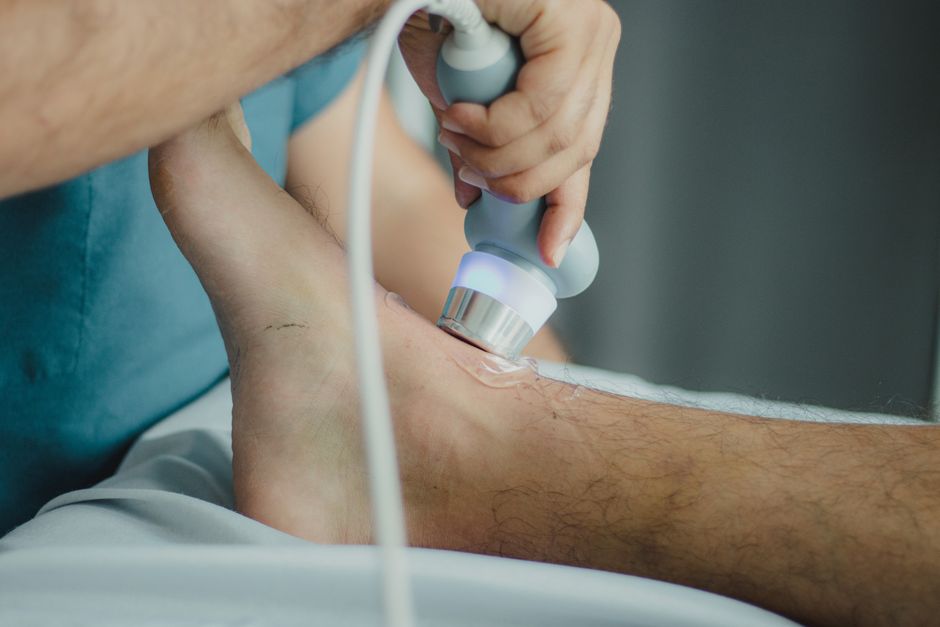
Endovenous ablation uses heat (laser or radiofrequency) or a chemical agent to close larger veins from the inside. A thin tube is threaded into the vein through a small puncture. This has largely replaced open surgery for many cases.
Vein stripping and ligation is an older surgical approach that removes or ties off veins through small incisions. It is still used in some situations but is less common now that less invasive options exist.
Microphlebectomy removes small varicose veins through tiny punctures. It is often combined with other procedures.
Procedures are generally done in an office or outpatient setting. Recovery varies. Most people can walk right after, but full healing and final appearance take time. As with any procedure, there are risks, including bruising, infection, and, rarely, blood clots. A clinician can explain which option fits a specific case.




Can Varicose Veins Be Prevented?
You cannot prevent varicose veins that are driven by genetics, age, or pregnancy. But you can lower some of the strain on your leg veins.
The same habits that ease symptoms also help reduce added pressure: staying active, avoiding long periods of standing still, managing weight, and elevating your legs when you rest. Compression stockings may help during pregnancy and after procedures, when vein pressure is higher.
It is honest to say that no lifestyle change reliably prevents varicose veins in someone who is genetically prone to them. The goal is to reduce symptoms and slow worsening, not to guarantee they never appear.
When Should You See a Doctor About Varicose Veins?
Many people never need treatment. See a clinician if veins cause pain, affect your daily activities, or if you notice skin changes, swelling that does not improve, or any sore near the ankle.
A doctor can examine your legs, sometimes with an ultrasound, to check how the valves are working and rule out a clot. That information guides whether self-care is enough or whether a procedure makes sense.
Do not wait on skin changes or sores. Those are signs that the vein problem is affecting the skin and tissue, and they are more likely to become serious without care.
Frequently Asked Questions
Do compression stockings cure varicose veins?
No. Compression stockings ease aching, heaviness, and swelling, but they do not remove or reverse enlarged veins. They work best as symptom relief alongside movement and elevation.
Can varicose veins go away on their own?
They generally do not go away without treatment. Symptoms may improve with self-care, but the enlarged veins themselves usually remain and can worsen over time.
Are varicose veins dangerous?
Most are not dangerous, but they can lead to skin changes, sores, and, rarely, blood clots. Sudden one-sided leg swelling, warmth, or pain needs urgent medical care.
What is the best procedure for varicose veins?
There is no single best option for everyone. The right choice depends on vein size, location, symptoms, and your health, so a clinician should assess your legs before recommending one.
