
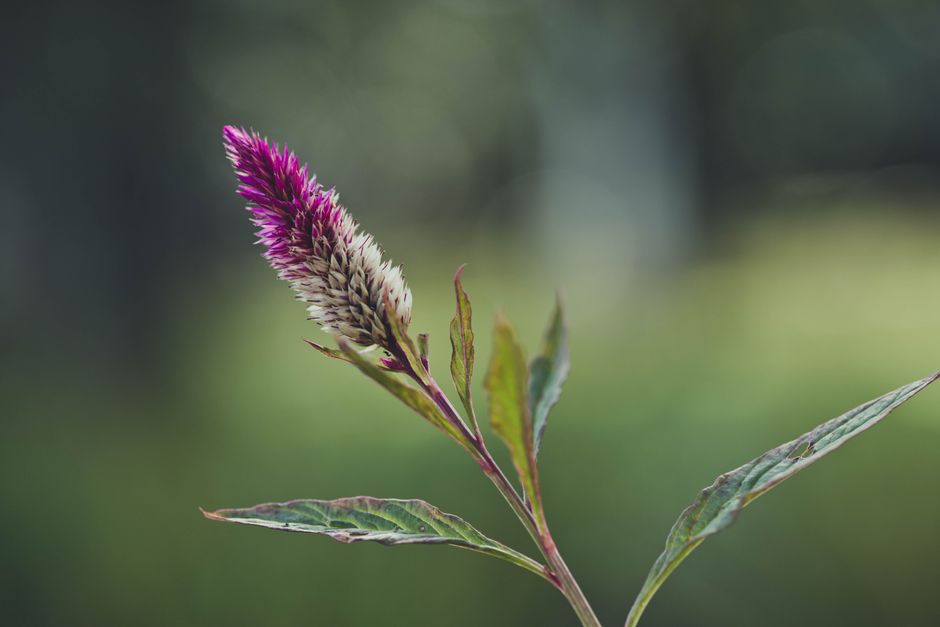
Celosia is a warm-season annual that cannot survive freezing temperatures. In most of the United States, winter care means letting the plant complete its life cycle outdoors, collecting seeds or cuttings before the first frost, and starting fresh next spring. The one exception is gardeners in USDA zones 10 and 11, where celosia may survive as a perennial if temperatures stay above freezing.
Celosia (pronounced sel-OH-see-uh) produces its vivid, velvety flower heads through summer and into early fall. Once cold arrives, the plant’s biology works against it. Understanding why helps you make the right call for your garden.
Why Does Celosia Die in Winter?
Celosia is native to tropical regions of Africa and Asia, and its tissue has no mechanism to survive frost. When temperatures drop to 32°F (0°C), ice crystals form inside plant cells. Those crystals rupture cell walls, and the damage is irreversible. A single light frost can blacken leaves and collapse stems within hours.
This is different from cold-hardy perennials that go dormant. Those plants move water out of their cells and into the spaces between them, which protects against ice damage. Celosia does not do this. It has no dormancy trigger for cold. Its life cycle is simply to grow, flower, set seed, and die when conditions turn unfavorable — whether that is drought, disease, or cold.
That distinction matters. You are not failing your plant by letting it die back in winter. You are following its natural cycle. The goal of winter care is not to keep the same plant alive. It is to preserve the genetics for next season.
Can Celosia Survive Winter Indoors?
Celosia can be overwintered indoors, but the results are usually disappointing. The plant needs intense light to stay compact and productive. Even a bright south-facing window typically provides far less light than outdoor sun. Most indoor celosia becomes leggy, stops flowering, and attracts pests like aphids and whiteflies.
There is a more reliable indoor approach: take cuttings in late summer and root them before frost. Celosia roots readily from stem cuttings in water or moist potting mix. Those rooted cuttings become next year’s plants. This preserves the exact flower color and form of a plant you liked, which seed-grown plants do not always do.
Some gardeners dig up a favorite plant, cut it back hard, and bring it inside as a houseplant. This can work, but it is more effort than starting from cuttings, and the plant rarely looks good through winter. It is a reasonable option only if you have a very sunny spot and are willing to manage pests.
What Should You Do Before the First Frost?
Timing is everything. Celosia seed heads need to mature on the plant before cold arrives. Seed collected too early will not be viable.
Watch your local forecast in early fall. When nighttime temperatures are predicted to approach the mid-30s°F, act. Here is the order of operations:
- Collect seed heads. Choose heads that have turned brown and dry. Cut them with a few inches of stem attached.
- Take cuttings. If you want to overwinter a specific plant, take 4- to 6-inch cuttings from healthy, non-flowering stems.
- Let seed heads dry. Hang them upside down in a paper bag in a dry, well-ventilated spot for one to two weeks.
- Shake out the seed. Once dry, rub the heads over a bowl. Tiny black seeds will fall out.
- Store properly. Keep seed in a labeled paper envelope or small jar in a cool, dry, dark place.
Celosia seed stays viable for several years when stored this way. Many gardeners find they only need to buy seed once.





How Do You Overwinter Celosia in Warm Climates?
In USDA zones 10 and 11 — parts of southern Florida, southern Texas, coastal California, and Hawaii — celosia can behave as a perennial. Frost is rare or absent, and the plant may survive the winter and regrow from the base.
Even in these zones, cold snaps happen. A single night near freezing can kill an unprotected plant. If a cold front is forecast, cover plants with frost cloth or a bedsheet. Do not use plastic directly on the plant, because it traps moisture and can make cold damage worse.
In these warm zones, winter care is mostly about water. Growth slows in cooler months, so the plant needs less irrigation. Overwatering dormant or semi-dormant celosia is a common cause of decline. Let the top inch or two of soil dry between waterings.
Does Celosia Come Back Every Year?
In most of the country, no. Celosia is grown as an annual in zones 2 through 9. It dies at first frost and does not return from the roots.
It can, however, reseed itself. If you leave some seed heads on the plant through fall, seeds drop to the soil and may germinate the following spring once the ground warms. This is unpredictable. Some years you get volunteers, some years you do not. It also depends on whether your winters are cold enough to kill seed sitting on the surface.
If reliable return matters to you, collect and store seed, then start it indoors six to eight weeks before your last expected frost. This gives you control over color and quantity. Volunteer seedlings are a bonus, not a plan.
What About Celosia Grown in Containers?
Container celosia faces the same cold limits as in-ground plants. The roots of a potted plant get colder faster than soil in the ground, because a pot is exposed to air on all sides. That means container plants often die before in-ground plants do.
If you want to keep a container plant going, move it indoors before the first frost. Place it in the brightest spot you have. Expect reduced flowering and slower growth. Cut back on water, since indoor light and cooler temperatures slow the plant’s demand.
For most gardeners, the practical move is to treat container celosia as an annual too. Enjoy it through fall, collect seed if you want it, and compost the plant after frost.
Common Winter Care Mistakes to Avoid
The biggest mistake is trying to keep a frost-killed plant alive. Once stems go soft and black, the plant is dead. No amount of indoor warmth or watering will bring it back.
Another common error is watering too much in winter. Whether indoors or in a warm-climate garden, celosia uses far less water when growth slows. Soggy soil causes root rot, which can kill a plant that would otherwise have survived.
Finally, do not store seed in a warm, humid place. Heat and moisture shorten seed viability. A cool, dry, dark location is what keeps seed good for future seasons.
Frequently Asked Questions
Can celosia survive winter outdoors?
Only in USDA zones 10 and 11, where frost is rare or absent. In zones 2 through 9, celosia dies at the first frost and does not return from the roots.
Should I cut back celosia before winter?
You can cut it back after you have collected seed or taken cuttings. Cutting back does not help the plant survive cold, since celosia cannot tolerate freezing temperatures regardless.
How do I save celosia seeds for next year?
Let seed heads turn brown and dry on the plant, then cut them and dry them further indoors for one to two weeks. Shake out the seeds and store them in a cool, dry, dark place.
Will celosia come back from the roots?
No, celosia does not regrow from its roots after frost in most climates. Any new plants the following year come from seed, either saved by you or dropped by the plant itself.
