
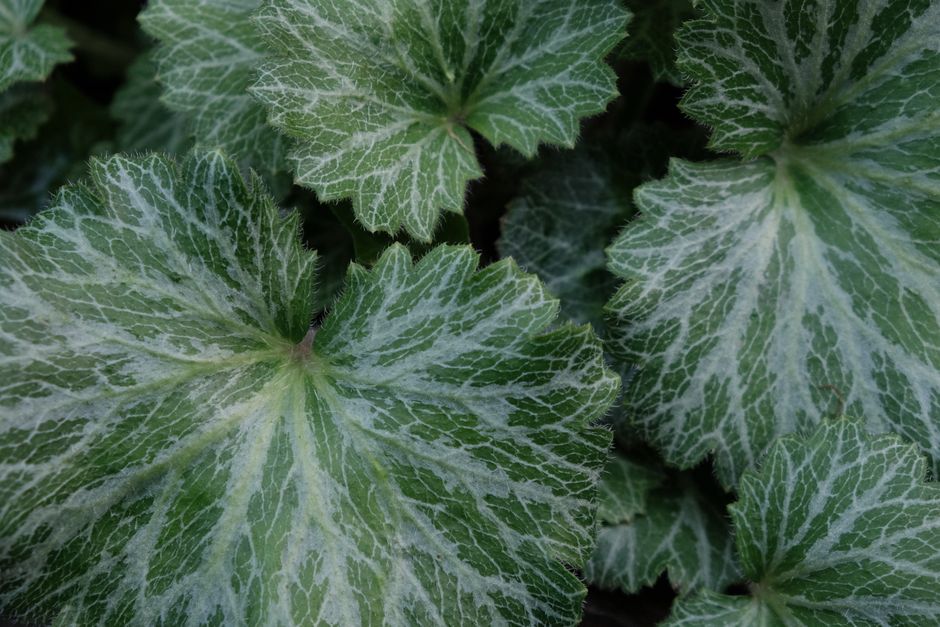
Saxifraga “Alpino Early Picotee” is a low-growing alpine perennial grown for its early spring flowers and tidy, cushion-like habit. Grow it in gritty, fast-draining soil with full sun to light afternoon shade, water it moderately but never let the roots sit wet, and give it cool winters. It suits rock gardens, troughs, and the front of a border, and it is usually hardy in USDA zones 4 through 7.
What Is Saxifraga Alpino Early Picotee?
Saxifraga is a large genus of mostly mountain plants, many of them adapted to rocky ground, thin soil, and cold winters. “Alpino Early Picotee” is a cultivated selection within that group, bred for compact growth and flowers that open earlier than many other saxifrages.
The name “picotee” describes the flower pattern. Each petal is pale at the center with a narrow band of deeper color along the edge. In this selection that edging is typically pink to red against a white or very pale base, which gives the blooms a crisp, outlined look.
Plants form tight, low mounds of small leaves, usually staying under about 6 inches tall. They are herbaceous perennials, meaning top growth may die back in cold weather and return from the crown in spring. This is a garden plant, not a medicinal herb. Saxifraga has a long history in traditional folk use in some regions, but there is no reliable clinical evidence supporting saxifrage as a treatment for kidney stones or any other condition, despite the plant’s common name sometimes being linked to that idea.
How To Grow And Care For Saxifraga Alpino Early Picotee?
Get three things right and this plant is straightforward: drainage, light, and root temperature. Most failures come from soil that stays wet, not from cold.
Soil and drainage
Alpine saxifrages evolved on scree and rock ledges where water moves through quickly. Garden soil that holds moisture will rot the crown. Aim for a lean, gritty mix.
- Mix coarse grit, horticultural sand, or small gravel into the planting area so water drains within seconds.
- Add organic matter sparingly. Too much rich compost encourages soft growth that is more prone to rot.
- If your native soil is heavy clay, grow the plant in a raised bed, trough, or pot rather than amending endlessly.
- Keep the crown of the plant slightly above the surrounding soil line so water runs off rather than pooling at the base.
A simple container mix for alpine plants is roughly equal parts loam-based potting compost and coarse grit, with a layer of gravel at the bottom. Terracotta pots help because the walls allow some moisture to evaporate.
Light
Full morning sun with some protection from the harshest afternoon heat works well in most gardens. In cooler, coastal, or northern areas, full sun all day is usually fine. In hot inland summers, a little shade in the afternoon reduces stress and keeps the foliage from scorching.
Watering
Water when the top of the soil feels dry, and water thoroughly rather than lightly. The goal is even moisture that never becomes saturated. In summer, especially in hot regions, saxifrages can enter a semi-dormant state, and they need less water then. Overwatering in warm weather is a common way to lose plants that looked healthy in spring.
Rainfall alone is often enough in cool, wet climates. In those conditions, focus on drainage rather than adding water.
Temperature and hardiness
These are cold-adapted plants. They generally perform best in USDA zones 4 through 7, where winters are cold and summers are not extreme. In zones warmer than about 8, summer heat and night temperatures that stay high tend to stress them, and they are harder to keep alive long term. Cold hardiness is not the limiting factor for most gardeners. Heat and humidity usually are.
Feeding
Alpines are not heavy feeders. A light application of a balanced, diluted fertilizer in early spring as growth begins is generally enough. Excess nitrogen produces floppy, tender growth that is more vulnerable to rot and pests.
When Does Saxifraga Alpino Early Picotee Bloom?
This selection is named for its early flowering. Blooms typically appear in spring, often before many other perennials have started, which is a large part of its garden value. The exact timing depends on your climate, with plants in mild coastal areas flowering earlier than those in cold inland gardens.
Flowering usually lasts a few weeks. Deadheading, or removing spent flowers, can tidy the plant and may encourage a modest amount of continued bloom, though it will not extend the season dramatically. After flowering, the plant focuses on foliage and building reserves for the next year.
If a plant that flowered well one year produces few blooms the next, the usual causes are overcrowding, root rot from poor drainage, or a summer that was too hot and dry for the plant to recover. Divide congested clumps after flowering to restore vigor.





How Do You Propagate And Divide Saxifraga Alpino Early Picotee?
Division is the most reliable method for a named selection, because it produces plants identical to the parent. Seed from a cultivated variety may not come true, meaning seedlings can differ in flower color and form.
Divide clumps every few years, ideally right after flowering or in early autumn when temperatures are moderate. Lift the plant, pull or cut it into sections that each have roots and healthy shoots, and replant at the same depth in gritty soil. Water in and keep the new divisions from drying out completely while they establish.
Some gardeners also take small offsets or cuttings from the edges of the cushion, but division is simpler and works well for most home growers.
Common Problems And Pests
The most serious problem is crown and root rot, which is almost always a drainage issue rather than a disease arriving from nowhere. A plant that collapses suddenly, with a brown or soft base, is usually sitting in wet soil. There is no reliable cure once the crown has rotted. Improve drainage and replace the plant.
Other issues include:
- Vine weevil — larvae can feed on roots in containers and cause plants to wilt and die. Inspect root balls when repotting.
- Aphids — occasionally cluster on new growth and flower buds. A strong spray of water often dislodges them.
- Slugs and snails — can damage soft new growth in damp conditions.
- Scald and sunburn — pale or browned patches on leaves in hot, bright conditions, usually a sign the plant needs more afternoon shade.
Good air movement around the plant reduces fungal problems. Avoid overhead watering late in the day, which leaves foliage wet overnight.
Can You Grow It In Pots And Rock Gardens?
Yes, and containers are often the easiest way to control drainage. Use a gritty mix, a pot with a drainage hole, and raise the pot slightly on feet so water escapes freely. Alpine troughs and shallow pans suit the plant’s shallow root system.
In rock gardens, plant saxifrages where they can drape slightly over a stone or ledge. This mimics their natural habitat, keeps the crown dry, and shows off the flowers. Pair them with other alpines that share the same needs for sharp drainage and sun, rather than with plants that want rich, moist soil.
One point worth keeping in mind: a saxifrage that looks perfect in a cool, rainy spring can decline quickly once hot, humid weather arrives. That is not a failure of care so much as a mismatch between the plant’s mountain origins and a warm garden. Choosing the right spot from the start matters more than any rescue treatment later.
Frequently Asked Questions
Is Saxifraga Alpino Early Picotee hardy?
It is generally hardy in USDA zones 4 through 7, so cold winters are not usually the problem. Summer heat and poor drainage are the more common reasons these plants fail.
Does Saxifraga Alpino Early Picotee need full sun?
It grows best in full sun to light afternoon shade. In hot inland areas, some afternoon shade helps prevent leaf scorch and reduces summer stress.
Why is my saxifrage turning brown and dying?
Sudden collapse with a soft or brown base usually points to crown rot from soil that stays wet. There is no reliable cure once the crown has rotted, so improving drainage and replanting is the practical response.
Can I grow it indoors?
It is not well suited to indoor growing because it needs cool temperatures and bright light. It performs far better outdoors in a rock garden, trough, or cool greenhouse.
