

A strong stomach is not about eating more fiber or drinking apple cider vinegar. It is about a digestive system that moves food efficiently, absorbs nutrients, keeps a stable community of gut bacteria, and resists irritation from infection, stress, and medications. The most reliable ways to support it are unglamorous: regular physical activity, adequate sleep, a varied diet rich in plant foods, careful use of pain medications, and knowing when symptoms need a doctor rather than a supplement.
How To Make Your Stomach Stronger Inside And Out?
The stomach and the rest of the digestive tract work as one continuous system, and they respond to the same basic inputs. Physical activity speeds up the movement of food through the intestines. Sleep and stress hormones influence gut motility and sensitivity. Diet shapes the bacterial population in the colon. Medication use, especially pain relievers, affects the stomach lining directly.
There is no single food or supplement that “strengthens” the stomach in the way exercise strengthens a muscle. The stomach is a muscular organ, but it does not bulk up from use. What it needs is a lining that stays intact, a healthy mucus layer, and a nervous system that keeps digestion moving at the right pace.
This matters because a lot of online advice treats the gut as something to be “repaired” or “reset.” In most people, it does not need resetting. It needs to be left alone by things that damage it and supported by things that help it function.
What Actually Protects the Stomach Lining?
The stomach lining is built to handle acid. Specialized cells secrete a thick layer of mucus and bicarbonate that sits between the acid and the tissue, keeping the surface at a safe pH. The lining also renews itself constantly. This defense system is strong but not indestructible.
A class of drugs called NSAIDs is the most common cause of damage to this defense. NSAIDs include ibuprofen, naproxen, and aspirin. They work by blocking enzymes involved in inflammation, but those same enzymes help produce the protective mucus layer. Regular or high-dose use can lead to irritation, ulcers, and in serious cases bleeding. This is well established and the reason NSAIDs carry warning labels.
This does not mean you should avoid NSAIDs when you need them. It means using the lowest effective dose for the shortest time, taking them with food, and not combining them with alcohol. If you take aspirin daily for heart health, that is a decision to make with a doctor, not to stop on your own.
Alcohol is the other major direct irritant. It inflames the stomach lining and can cause acute gastritis, especially in large amounts. Smoking slows healing of the lining and increases the risk of ulcers. These effects are well documented.
Does Diet Really Change Your Gut Bacteria?
Yes, but not in the way most marketing suggests. The gut contains trillions of bacteria, and the mix of species shifts with what you eat. A diet high in fiber from varied plant sources supports a more diverse bacterial community. Diversity is generally associated with better gut health, though the exact clinical benefits are still being studied.
Fiber is the main fuel for gut bacteria. When bacteria ferment fiber in the colon, they produce short-chain fatty acids, which feed the cells lining the colon and help maintain the barrier between the gut and the bloodstream. This mechanism is well established. Whether increasing fiber improves specific health outcomes in every person is less clear.
Fermented foods like yogurt with live cultures, kefir, sauerkraut, and kimchi contain live bacteria. Some studies suggest they can shift the gut bacterial community, but the effects vary between people and the evidence is not strong enough to promise specific benefits. No clinical evidence currently confirms that any single fermented food will fix digestive problems.
What the evidence supports more consistently is variety. Eating many different plant foods over a week appears to support a more diverse microbiome. That means fruits, vegetables, whole grains, legumes, nuts, and seeds. The exact number of plant foods per week is debated, but the general direction is clear.
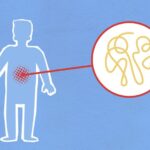




Why Does Movement Matter for Digestion?
Physical activity speeds up transit time, meaning food moves through the intestines faster. This helps prevent constipation and reduces the time that potentially harmful substances sit in contact with the colon lining. The effect is consistent across studies.
Even walking after meals helps. Light activity stimulates the muscles of the digestive tract and can reduce bloating and gas. It does not need to be intense. Regular moderate activity, like brisk walking most days, is enough to support normal digestion.
Movement also helps with the mechanical side of digestion. The muscles of the abdominal wall and diaphragm support the organs and assist with elimination. Sedentary habits are associated with slower transit and more constipation.
This is one of the few areas where the advice is simple and the evidence is strong. Move your body regularly, and your gut moves too.
What Role Do Sleep and Stress Play?
The gut has its own nervous system, sometimes called the enteric nervous system, and it communicates constantly with the brain. Stress changes how the gut moves and how sensitive it feels. It can slow digestion, speed it up, or make normal sensations feel uncomfortable.
This connection is real and well documented, though the mechanisms are complex. People with irritable bowel syndrome often notice symptoms worsen during stressful periods. The relationship is not simply psychological; stress hormones affect gut motility and the permeability of the intestinal lining.
Sleep matters too. Poor sleep is associated with digestive symptoms, and the gut has its own daily rhythms. Disrupted sleep can affect appetite, metabolism, and bowel habits.
Managing stress does not mean eliminating it. Practical steps like regular physical activity, time outdoors, breathing exercises, and protecting sleep are reasonable. They will not cure a digestive disorder, but they support normal function.
What About Probiotics and Supplements?
Probiotics are live microorganisms sold as supplements or added to foods. The evidence for them is mixed, and it depends heavily on the specific strain, dose, and condition. Some strains have shown benefit in specific situations, such as reducing antibiotic-associated diarrhea. For general digestive health in healthy people, the evidence is weak.
No clinical guidelines currently recommend probiotics for general gut health in healthy adults. Some clinicians recommend them in specific circumstances, but this is not the same as a proven general benefit. The supplement market is also poorly regulated in the US, so what is on the label may not match what is in the bottle.
Other supplements marketed for stomach health, such as digestive enzymes or “gut repair” powders, have little to no clinical evidence behind them for general use. That does not mean they are harmful, but it does mean the claims are not supported by trials.
When Should You See a Doctor?
Most digestive discomfort is temporary and not dangerous. But some symptoms need medical attention rather than self-care.
- Blood in the stool or black, tarry stools
- Persistent vomiting or inability to keep fluids down
- Unexplained weight loss
- Severe or worsening abdominal pain
- Difficulty swallowing
- Symptoms that wake you at night or persist for weeks
These can signal conditions that need diagnosis and treatment. A doctor can assess whether symptoms are from something minor or something that needs investigation.
If you take NSAIDs regularly or have a history of ulcers, talk to a doctor about your risk. If you have persistent heartburn, that is also worth discussing. Chronic acid reflux can damage the esophagus over time, and treatment options exist.
What Does Not Work?
A lot of popular advice does not hold up. Drinking apple cider vinegar does not “strengthen” the stomach and can irritate the esophagus. Cleanses and detoxes do not improve gut health and can disrupt the balance of bacteria and electrolytes. Avoiding all gluten or all dairy without a diagnosed reason is not supported by evidence and can reduce diet quality.
The idea that you need to “heal your gut” with a special protocol is marketing, not medicine. The gut heals itself continuously. What it needs is not to be repeatedly damaged.
Frequently Asked Questions
How can I make my stomach stronger naturally?
Regular physical activity, adequate sleep, a varied diet rich in plant foods, and careful use of NSAIDs and alcohol support normal stomach and gut function. No single food or supplement has been shown to strengthen the stomach lining.
Do probiotics really help digestion?
The evidence is mixed and depends on the specific strain and condition. Some strains help with antibiotic-associated diarrhea, but no clinical guidelines currently recommend probiotics for general gut health in healthy adults.
What foods irritate the stomach lining?
Alcohol, spicy foods, acidic foods, and caffeine can irritate the stomach in some people, but responses vary widely. NSAIDs are a more consistent cause of damage to the stomach lining than any food.
How long does it take to improve gut health?
Changes in diet and activity can shift gut bacteria within days to weeks, but the clinical benefits are less predictable. There is no established timeline for “improving” gut health because the concept itself is not well defined in medicine.
