
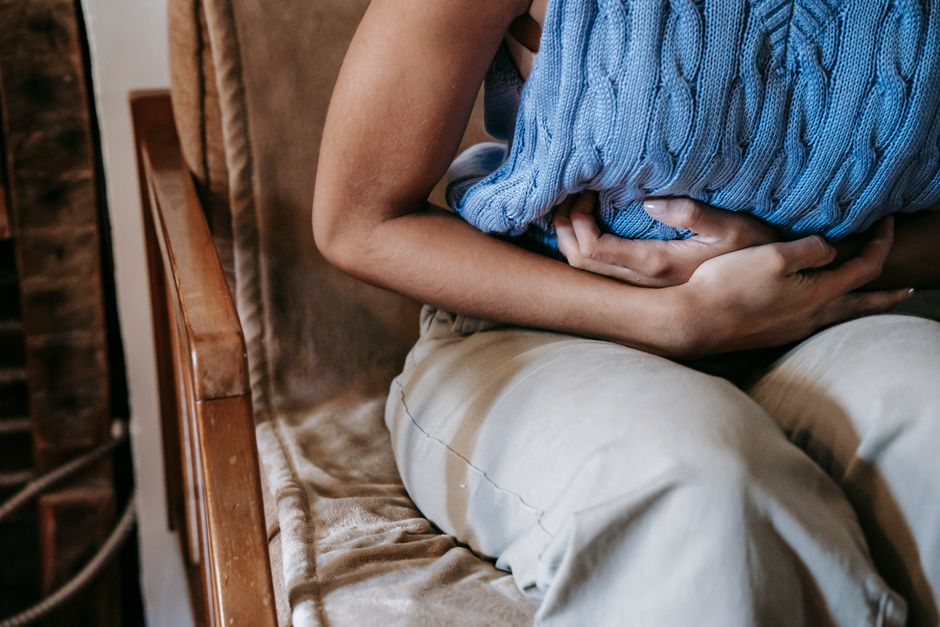
That dull, burning ache the morning after drinking is not a coincidence or bad luck. Alcohol directly irritates the stomach lining, and it also triggers extra acid production while slowing the stomach’s ability to empty itself. The result is the nausea, burning, and upper belly pain many people wake up with after a night of drinking.
Why Does My Stomach Hurt After A Night Of Drinking?
Alcohol is a direct chemical irritant to the stomach. It does not need to be broken down first. The moment it reaches the stomach lining, it starts damaging the protective mucus layer that normally shields the stomach wall from its own acid.
That mucus layer is the stomach’s defense system. Without it, acid and digestive enzymes come into direct contact with tissue that is not built to handle them. This causes inflammation of the stomach lining, a condition doctors call gastritis. The pain, burning, and nausea that follow are the body’s response to that irritation.
Two other things happen at the same time. Alcohol stimulates the stomach to release more acid. And it slows down the rate at which the stomach empties its contents into the small intestine. A full, irritated stomach sitting with excess acid is a recipe for the specific ache people describe after drinking.
The strength of the drink matters. Concentrated alcohol — spirits, strong cocktails, drinking on an empty stomach — causes more irritation than a diluted drink spread over a longer period. But even moderate drinking can trigger symptoms in someone whose stomach lining is already sensitive.
Why Does Alcohol Cause Nausea and Vomiting?
Nausea after drinking comes from the same irritation that causes the pain, plus a signal from the brain. Alcohol affects the area postrema, a region in the brainstem that triggers the vomiting reflex when it detects toxins in the blood. This is why nausea can hit even when the stomach itself is not the main problem.
Alcohol also delays stomach emptying. When the stomach does not move its contents along at a normal pace, pressure builds. That pressure, combined with an irritated lining, makes vomiting more likely. Vomiting is the body’s attempt to expel what it sees as a poison.
There is a common belief that vomiting “gets it out of your system” and makes you feel better. It may relieve pressure temporarily, but it does not remove alcohol that has already been absorbed into the bloodstream. And repeated vomiting makes the stomach lining more irritated, not less.
Some people find that nausea lingers even after they stop drinking. That is usually the stomach lining still inflamed and the acid balance not yet back to normal. It tends to settle over hours, but the timeline varies widely from person to person.
What Is the Difference Between a Hangover and Stomach Irritation?
A hangover and stomach irritation overlap, but they are not the same thing. A hangover is a collection of symptoms caused by several factors at once: dehydration, disrupted sleep, the toxic byproducts of alcohol metabolism, and inflammation throughout the body. Stomach pain is one part of that picture, not the whole of it.
Stomach irritation, on its own, is a local problem. It is the direct effect of alcohol on the stomach lining. You can have significant stomach irritation without a full hangover, and you can have a hangover with only mild stomach discomfort.
This distinction matters because the two problems respond differently. A hangover is largely a matter of time, fluids, and rest. Stomach irritation is more specifically about acid, the protective mucus layer, and how much alcohol reached the stomach lining.
Some people notice that their stomach pain is worse than their headache, or the reverse. That often reflects how much they ate, how fast they drank, and how sensitive their stomach is to begin with.





What Makes Stomach Pain After Drinking Worse?
Several factors reliably make stomach irritation from alcohol worse. Knowing them helps explain why two people can drink the same amount and feel very different the next day.
- Drinking on an empty stomach. Food dilutes alcohol and slows its absorption. Without food, alcohol hits the stomach lining at full strength.
- High-concentration drinks. Spirits and strong mixed drinks irritate the lining more than beer or wine consumed slowly.
- Mixing alcohol with certain pain relievers. NSAIDs like ibuprofen and aspirin irritate the stomach lining on their own. Combined with alcohol, the risk of stomach irritation and bleeding rises.
- Existing stomach conditions. People with gastritis, ulcers, or acid reflux tend to react more strongly.
- Smoking. Tobacco increases acid production and weakens the stomach’s defenses.
- Stress and poor sleep. Both can make the stomach more sensitive to irritation.
The NSAID point deserves emphasis. Taking ibuprofen for a hangover headache is common, but it stacks a second stomach irritant on top of the alcohol. For stomach pain specifically, that combination can make things worse rather than better. This is a well-established clinical concern, not a minor one.
When Should Stomach Pain After Drinking Concern You?
Most stomach pain after drinking settles within a day as the lining recovers. The stomach lining replaces its protective mucus fairly quickly once alcohol is out of the picture. But some symptoms are not routine and need medical attention.
Seek medical care if you notice any of the following:
- Vomiting blood, or vomit that looks like coffee grounds
- Black, tarry stools, which can indicate bleeding in the upper digestive tract
- Severe pain that does not improve or gets worse
- Pain with fever, a rapid heartbeat, or feeling faint
- Signs of dehydration, such as dizziness, confusion, or very little urination
- Inability to keep fluids down for more than a day
These signs can point to bleeding, a perforated ulcer, or another serious problem. They are not something to wait out at home. This is general information, not a substitute for a medical evaluation, and any of these symptoms warrant prompt care.
There is also a longer-term concern. Repeated heavy drinking keeps the stomach lining inflamed over and over. Over time, that can lead to chronic gastritis and, in some cases, ulcers. The occasional night out is one thing. A pattern of drinking that regularly leaves your stomach in pain is a signal worth taking seriously.
Does Drinking Cause Ulcers?
Alcohol does not appear to be the primary cause of most stomach ulcers. The main causes are infection with a bacterium called Helicobacter pylori and long-term use of NSAIDs. Alcohol is more accurately described as a contributor that can irritate the stomach lining and make existing ulcers worse, rather than the root cause on its own.
That distinction is often blurred in everyday conversation. “Drinking gave me an ulcer” is a common phrase, but the evidence points more toward alcohol aggravating a problem that has another underlying cause. If someone has an ulcer and keeps drinking, symptoms are likely to be more severe and healing slower.
If you have been diagnosed with an ulcer, or you have persistent stomach pain even when you are not drinking, that is worth a conversation with a doctor. The cause may not be alcohol at all.
How Do You Settle Your Stomach After Drinking?
The most effective thing is time. The stomach lining recovers once alcohol is gone, and there is no shortcut that speeds that process dramatically. What you can do is avoid making it worse and support the body’s normal recovery.
Rehydration matters. Alcohol is a diuretic, meaning it increases urine output, which can lead to dehydration. Water and electrolyte drinks help replace lost fluids. Bland foods like crackers, toast, or rice are often easier on an irritated stomach than rich or spicy meals.
Be careful with over-the-counter remedies. Antacids can neutralize stomach acid and may ease burning temporarily, but they do not repair the irritated lining. And as noted earlier, NSAIDs like ibuprofen are best avoided when the stomach is already inflamed.
Some people find that a small amount of food helps, while others feel worse eating anything. That varies by person. There is no single remedy that works for everyone, and no product on the market has been shown to reverse alcohol-related stomach irritation.
Prevention, when it comes to the next time, is more reliable than treatment. Eating before and during drinking, pacing yourself, choosing lower-concentration drinks, and avoiding NSAIDs are the steps most consistently supported by what is known about how alcohol affects the stomach.
Does the Type of Alcohol Matter?
The type of alcohol matters less than the amount and concentration. What irritates the stomach is ethanol itself, the alcohol found in all alcoholic drinks. Beer, wine, and spirits all contain it.
What differs is how the alcohol is delivered. A strong spirit hits the stomach lining at a higher concentration than beer, which is mostly water. Drinks mixed with juice or soda are diluted somewhat, but the alcohol still reaches the stomach. Carbonation may speed up absorption, though the effect on stomach irritation specifically is not as well established.
Some people report that certain drinks — red wine, for example — bother their stomach more than others. Individual sensitivity varies, and it is difficult to separate the alcohol effect from other compounds in the drink or from how much was consumed. The honest position is that the total amount of alcohol and how fast it is consumed matter more than the specific type.
Frequently Asked Questions
Why does my stomach hurt the morning after drinking?
Alcohol irritates the stomach lining, increases acid production, and slows stomach emptying. The pain is the result of that irritation and inflammation, which typically eases as the lining recovers over the following day.
How long does stomach pain after drinking usually last?
For most people, it improves within a day as the stomach lining recovers and alcohol leaves the system. Persistent pain lasting longer than a day, or pain that gets worse, should be evaluated by a doctor.
Can drinking cause stomach ulcers?
Alcohol is not considered the main cause of most ulcers; H. pylori infection and long-term NSAID use are the primary causes. Alcohol can irritate the stomach lining and make existing ulcers worse.
What should I avoid when my stomach hurts after drinking?
Avoid NSAIDs like ibuprofen and aspirin, which can add to stomach irritation and raise bleeding risk. Also avoid more alcohol, spicy or greasy foods, and anything that clearly makes the pain worse.
