
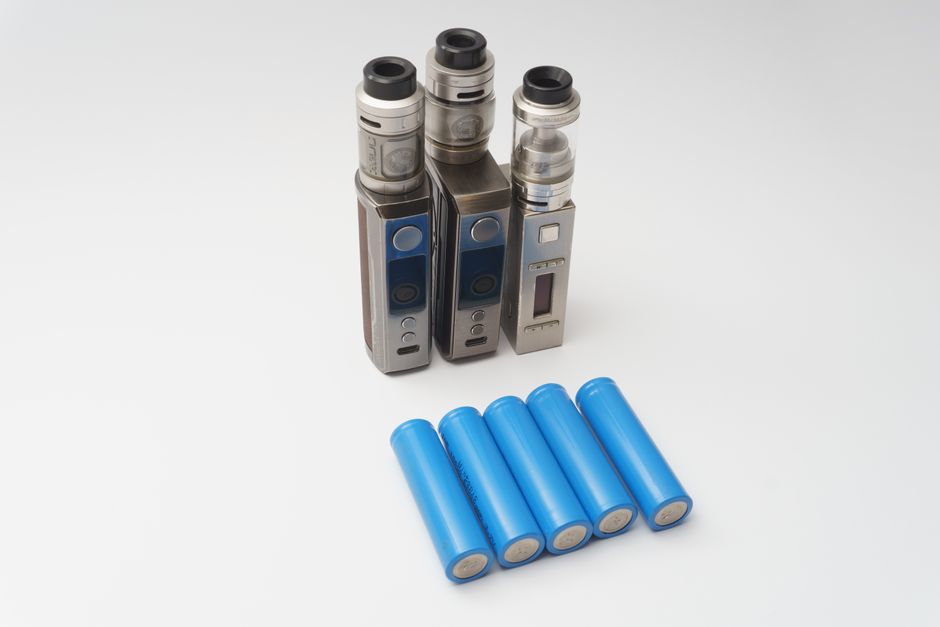
Making your own nicotine-free vape juice comes down to three ingredients: a base liquid, a flavor concentrate, and optional distilled water. You mix them in measured proportions, stir or shake until fully blended, then let the mixture sit so the flavors settle. No heat, no special equipment, and no nicotine are required.
The process itself is simple. The harder parts are choosing food-grade ingredients, understanding how vegetable glycerin and propylene glycol behave, and being honest about what is and is not known about inhaling flavorings. This guide covers the practical steps and the real limits of the evidence.
What Ingredients Go Into Nicotine-Free Vape Juice?
Nicotine-free e-liquid is built from a small number of components. Each one affects how the final liquid tastes, feels in the throat, and behaves in a device.
- Vegetable glycerin (VG) — a thick, sweet liquid that produces large amounts of vapor. It is generally smooth on the throat.
- Propylene glycol (PG) — a thinner liquid that carries flavor well and produces a stronger throat sensation, often called “throat hit.”
- Flavor concentrates — sold specifically for vaping, usually diluted in PG. These are not the same as grocery-store extracts.
- Distilled water — optional, used in small amounts to thin very thick VG-heavy mixes.
- Nicotine — deliberately left out. This is the defining feature of the recipe.
Both VG and PG are widely used in food, cosmetics, and pharmaceuticals. That history matters, but it is not the same as proof of safety when heated and inhaled. The distinction is important and gets blurred constantly in online guides.
What Ratio of VG to PG Should You Use?
The VG-to-PG ratio is the single biggest decision in a DIY mix. It shapes vapor volume, throat feel, and how well the flavor comes through.
Common ratios include 70/30, 50/50, and 30/70 (VG/PG). Higher VG means more vapor and a smoother inhale. Higher PG means more throat sensation and typically sharper flavor. There is no universal “correct” ratio — it depends on the device and personal preference.
One practical note: very high-VG liquids are thick and may wick poorly in some smaller devices, which can lead to dry hits. A small amount of distilled water — often just a few drops per batch — is sometimes added to thin the mix. Add it gradually, since too much water can dilute flavor and produce sputtering.
How Do You Actually Mix It Step by Step?
Mixing is a measuring and blending task. Accuracy in measurement matters more than speed.
- Work on a clean, well-ventilated surface away from children and pets.
- Use syringes or graduated cylinders for accurate measurement. Kitchen spoons are not precise enough.
- Combine your VG and PG in the chosen ratio first.
- Add flavor concentrate at the percentage recommended by the manufacturer. Flavor strength varies widely between brands, so follow their guidance rather than guessing.
- Add distilled water only if needed, a drop or two at a time.
- Shake the sealed bottle vigorously for a minute or more until the liquids are fully combined.
- Let the mix rest. Some mixers let it sit for a day or longer so the flavor blends; others vape it right away.
Store the finished liquid in a clean, sealed bottle away from heat and direct light. Label it clearly so it is never confused with anything else.



Is Inhaling DIY Vape Juice Safe?
No health authority has established that inhaling vape juice is safe. That statement applies to commercial e-liquids and to DIY versions alike.
The evidence on vaping generally is mixed and still developing. Research has identified concerns about lung irritation and other respiratory effects, and public health agencies have not concluded that vaping is harmless. What is well established is that vaping is not the same as smoking combustible cigarettes — but “less harmful than smoking” is not the same as “safe,” and that distinction is often lost in DIY communities.
A specific concern with DIY mixing is flavoring. Many flavor concentrates are approved for use in food, where they are swallowed and digested. The lungs are not the digestive system. Heating a flavoring and inhaling it exposes the respiratory tract to a different situation than eating it. Some flavoring chemicals have been linked to respiratory harm in other contexts, and researchers have raised concerns about inhaling certain flavor compounds. No clinical evidence currently confirms that any specific DIY flavoring is safe to inhale.
Two other points deserve honesty:
- Because DIY liquids are not regulated the way commercial products are, there is no quality control on ingredient purity or labeling accuracy.
- Nicotine-free does not mean risk-free. The base liquids and flavorings are still being inhaled.
Anyone with a lung condition, who is pregnant, or who is considering vaping should talk to a healthcare provider rather than rely on online guides.
Where Should You Buy DIY Supplies?
Buy VG and PG labeled as food-grade or pharmaceutical-grade from reputable suppliers. Buy flavor concentrates sold specifically for vaping rather than baking extracts, which may contain oils and other ingredients not intended for inhalation.
Avoid anything sold as “oil-based” for vaping. Oil-based products are not appropriate for inhalation and have been associated with serious lung injury in other contexts.
Be cautious with unverified sellers. Because this market is not tightly regulated, ingredient purity and labeling can vary. There is no reliable way for a home mixer to test the purity of what they receive.
Common Mistakes and How to Avoid Them
Most DIY problems trace back to a handful of avoidable errors.
- Using the wrong flavoring. Baking extracts and oils are not made for vaping. Use concentrates intended for this purpose.
- Measuring by eye. Inaccurate ratios throw off flavor and consistency. Use proper measuring tools.
- Adding too much water. A little thins the mix; too much ruins it.
- Not labeling bottles. Unlabeled liquids create real safety risks in a home.
- Assuming “nicotine-free” means harmless. The base and flavorings are still inhaled, and the long-term evidence is incomplete.
One clarification worth making: steeping, or letting a mix rest, is a widely practiced step in DIY communities. It is based on the idea that flavors blend and mellow over time. Some mixers report clear differences; others do not. This is common practice rather than something confirmed by controlled research, so treat it as a preference rather than a requirement.
Is DIY Vape Juice Cheaper Than Buying It?
DIY mixing generally costs less per bottle than buying commercial e-liquid, because you are buying ingredients in bulk and doing the labor yourself.
The savings depend on how much you vape, the price of your supplies, and how much you spend on trial and error while learning. There is no single figure that applies to everyone, and anyone quoting an exact percentage is guessing. The upfront cost of supplies is higher than a single bottle, but it spreads across many batches.
Cost should not be the deciding factor. If someone is using DIY mixing as a way to keep vaping, the health questions above still apply regardless of price.
Frequently Asked Questions
Can you make vape juice without nicotine?
Yes. Nicotine-free vape juice is made from vegetable glycerin, propylene glycol, and flavor concentrate, with optional distilled water. Nicotine is simply left out of the recipe.
What is the best VG to PG ratio for DIY vape juice?
There is no single best ratio — common choices include 70/30, 50/50, and 30/70 VG to PG. Higher VG gives more vapor and a smoother inhale, while higher PG gives more throat sensation and sharper flavor.
Is homemade vape juice safe to inhale?
No health authority has established that inhaling vape juice is safe, whether homemade or commercial. The lungs are not the digestive system, and flavorings approved for food are not automatically safe to heat and inhale.
Do you need to steep DIY vape juice?
Steeping is a common practice in DIY communities, but it is not confirmed by controlled research. Some mixers notice a difference in flavor over time, while others do not.
