
If you want to know how to finger yourself without it hurting, the short answer is: use plenty of lubricant, go slow, and stop if you feel sharp pain. Self-exploration should feel comfortable, not painful. Pain is your body’s way of telling you to change something — usually more lubrication, slower movement, or a different angle. This guide walks you through what actually works based on anatomy and real experience, not hype.
Why Does It Hurt When I Finger Myself?
Pain during self-stimulation is common. The vagina and vulva are sensitive areas with many nerve endings. Friction is the most frequent cause of discomfort. Skin rubbing against dry skin creates irritation fast.
Tension also plays a big role. If your pelvic floor muscles are tight, inserting anything can feel uncomfortable or painful. Stress, anxiety, or rushing can make those muscles clench without you realizing it. According to the American College of Obstetricians and Gynecologists, involuntary muscle tightening is one reason penetration hurts.
Another factor is angle. The vaginal canal curves toward your lower back, not straight up. Pushing straight in can hit your cervix or pubic bone. That causes a dull ache or sharp jab. Your anatomy is unique, and finding the right path matters.
What Actually Works to Prevent Pain
Lubricant is not optional. The vagina produces natural lubrication, but not always enough, especially if you are nervous or not fully aroused. A water-based or silicone-based lubricant reduces friction dramatically. Studies published in the Journal of Sexual Medicine have found that lubricant use significantly lowers pain during penetration.
Start with one finger. Two fingers is not a requirement. Using only one finger gives you more control and lets you feel your internal anatomy without stretching. Add a second finger only if it feels comfortable and you want more sensation.
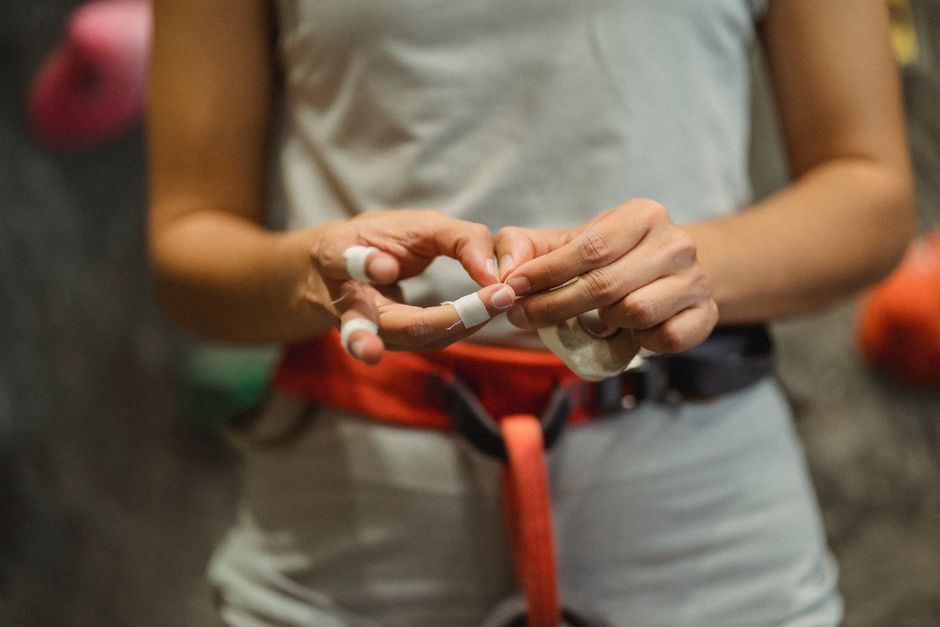
Short nails matter. A jagged or long nail can scratch the delicate vaginal tissue. Scratches cause stinging and can lead to infection. File your nails smooth and wash your hands thoroughly before touching yourself. Some people also use finger cots or gloves for extra smoothness and hygiene.
| Pain Cause | Common Fix | Why It Works |
|---|---|---|
| Dry friction | Use lubricant | Reduces drag on sensitive skin |
| Muscle tension | Breathe deeply, relax jaw | Relaxed pelvic floor allows easier entry |
| Wrong angle | Tilt fingers toward lower back | Follows natural vaginal curve |
| Long or sharp nails | File nails, wear gloves | Prevents micro-tears and irritation |
How To Finger Yourself Without It Hurting — Step by Step
Set the environment first. A quiet, private space where you will not be interrupted helps you relax. Tense surroundings make tense muscles. Lie on your back with knees bent and legs apart. This position opens the pelvic area naturally.
Apply lubricant to your finger and the entrance of your vagina. Do not skimp. Start by touching the outside — the labia and clitoris. This helps your body prepare. The clitoris has thousands of nerve endings and stimulating it first can increase arousal and natural lubrication.
When you are ready, place your finger at the vaginal opening. Press gently. Do not push. Let your body accept the finger slowly. If you feel resistance, pause and breathe. The pelvic floor muscles relax with exhalation. Once the finger is inside, move in small circles or gentle in-and-out motions. Pay attention to what feels good versus what hurts.
If you feel pain at any point, stop and reassess. Add more lubricant. Change the angle. Try a shallower depth. The goal is pleasure, not endurance. There is no prize for pushing through pain.




What Does Research Say About Self-Exploration and Pain?
Research on self-stimulation is limited but growing. A 2021 study in Sexual Medicine Reviews reported that about 75% of women have experienced pain during penetration at some point. Many of those cases involved lack of lubrication or anxiety. The same study noted that self-exploration with adequate lubrication and relaxation reduced pain in most participants.
Another finding from the Journal of Sex Research showed that women who masturbate regularly report less pain during partnered sex. The reason is likely practice — learning your own body helps you communicate what works. Self-touch builds body awareness and confidence.
There is no evidence that fingering yourself causes any long-term harm. The vagina is designed to stretch and contract. As long as you use clean hands, short nails, and lubricant, the risk is very low. Pain during self-stimulation is usually a sign to adjust technique, not a medical problem.
Common Misconceptions About Self-Stimulation and Pain
One widespread myth is that pain means you are “too tight” and need to push through it. This is false. The vagina does not have a fixed size. It expands with arousal. Pain usually means you are not fully aroused yet or need more lubrication. Pushing through can cause micro-tears and make future attempts more painful.
Another myth is that lubricant is only for people who do not get wet enough. Natural lubrication varies from person to person and day to day. Hormones, stress, medications, and hydration all affect it. Using lubricant is not a sign of a problem. It is a simple tool that makes everything more comfortable.
Some people believe that fingering yourself will stretch the vagina permanently. This is not true. The vaginal muscles are elastic. They return to their resting state after stimulation. No amount of fingering causes permanent loosening. This myth has been debunked by gynecologists repeatedly.
A final misconception is that you should only use your fingers. If fingers are uncomfortable, small silicone toys designed for beginners can be gentler. Some people find toys smoother and easier to control than their own fingers. There is no right or wrong tool — only what works for your body.
When Should You Talk to a Doctor About Pain?
If pain during self-stimulation happens consistently despite using lubricant, going slow, and relaxing, it is worth checking with a healthcare provider. Conditions like vulvodynia, vaginismus, or pelvic floor dysfunction can cause pain that technique changes cannot fix on their own.
Vaginismus is an involuntary tightening of the pelvic floor muscles. It can make any penetration painful or impossible. A pelvic floor physical therapist can help with exercises and relaxation techniques. Vulvodynia is chronic pain in the vulvar area with no clear cause. Treatment options include topical medications, nerve blocks, and cognitive behavioral therapy.
According to the National Vulvodynia Association, about 16% of women experience chronic vulvar pain at some point in their lives. If you have sharp burning pain or pain that lasts after stimulation, see a gynecologist. They can rule out infections, skin conditions, or other causes. Pain is not something you have to live with. Help is available.
Frequently Asked Questions
How much lubricant should I use?
Use enough that your finger glides easily without any pulling sensation. Reapply if it starts to feel dry.
Can I finger myself if I have a yeast infection?
It is best to wait until the infection clears because penetration can irritate inflamed tissue and spread the infection.
Is it normal to feel nothing when I finger myself?
Yes, some people have less sensation internally and prefer clitoral stimulation instead. This is completely normal.
Does fingering yourself hurt because of my hymen?
The hymen usually has openings and does not block the vaginal canal. Pain is more likely from tension or friction than the hymen.
