
Your liver has a remarkable ability to repair itself, but it can only do that if you stop injuring it. The most effective natural approach is to remove what damages it — excess alcohol, extra body fat, and unnecessary medications — while eating a balanced diet, staying active, and getting regular checkups. There is no single food, herb, or cleanse that reverses liver damage. The everyday habits that protect your liver are unglamorous and well documented.
What Does Your Liver Actually Do?
Your liver is the largest internal organ, weighing about 3 pounds in a typical adult. It performs hundreds of jobs that keep you alive.
It processes everything you eat and drink. It converts nutrients into forms your body can store or use. It builds proteins, including the ones that help your blood clot. It stores vitamins and minerals. It breaks down medications and toxins so they can leave your body. It also makes bile, which helps you digest fat.
One function matters most for this conversation: the liver regenerates. Unlike most organs, it can regrow damaged tissue. That is why a person can donate part of their liver and both the donor and recipient can recover normal function.
But regeneration has limits. Repeated injury — from alcohol, fat buildup, or viral infection — outpaces repair. Over time, healthy tissue is replaced by scar tissue. That scarring is called fibrosis, and when it becomes extensive it is called cirrhosis. Scar tissue does not work like liver tissue. This is why the goal is to reduce injury early, before scarring sets in.
What Actually Damages The Liver?
The major causes of chronic liver disease are well established. Knowing them tells you what to change.
- Alcohol. Heavy drinking is a leading cause of liver damage in the United States. The liver breaks down alcohol, and the byproducts of that process can injure liver cells.
- Excess body fat. Metabolic dysfunction-associated steatotic liver disease — commonly called fatty liver disease — is now one of the most common liver conditions worldwide. It is closely tied to excess weight, especially fat around the abdomen, and to type 2 diabetes.
- Viral hepatitis. Chronic hepatitis B and C can quietly damage the liver for years. Both can now be detected with blood tests, and hepatitis C can be cured with antiviral medication.
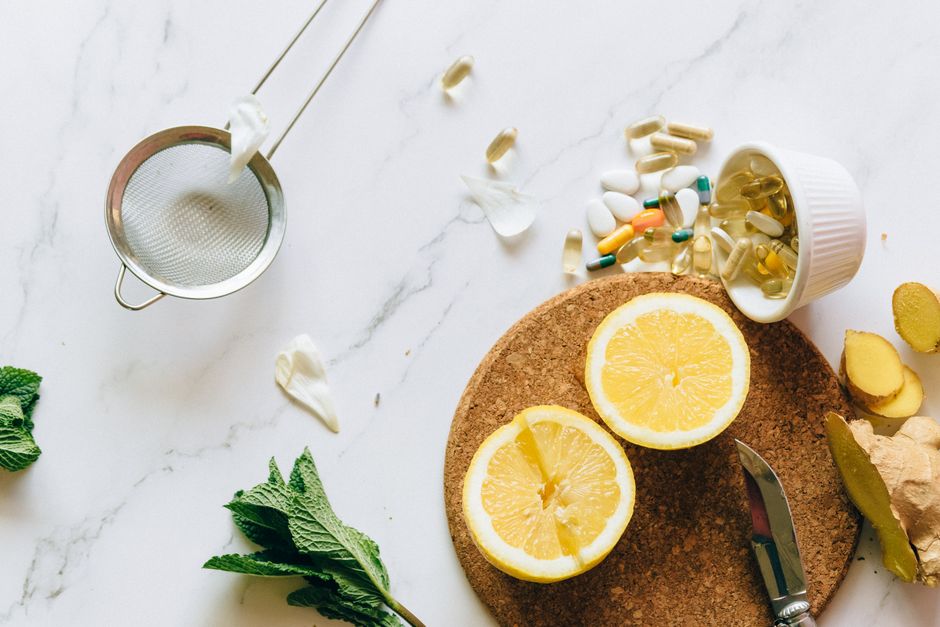
- Some medications and supplements. Certain drugs can stress the liver, especially at high doses or in combination. Herbal and dietary supplements are an underrecognized cause of liver injury.
- Other conditions. Autoimmune liver disease and inherited conditions such as hemochromatosis can also cause damage.
Most chronic liver damage develops silently. There are often no symptoms until scarring is advanced. That is why blood tests and imaging matter more than how you feel.
How To Make Your Liver Healthy Again Naturally
The core of natural liver care is reducing the load on the organ while giving it what it needs to repair. These steps are supported by clinical evidence, not marketing.
Reduce or stop alcohol. If you have any form of liver disease, the safest approach is to avoid alcohol entirely. For people without liver disease, national guidelines define moderate drinking as up to one drink per day for women and up to two per day for men. Those are limits for low-risk drinking, not a target. There is no established “safe” amount for someone with existing liver damage.
Lose excess weight gradually. Weight loss is the most effective known treatment for fatty liver disease. Research consistently shows that losing a meaningful percentage of body weight reduces liver fat and can improve liver inflammation. Rapid crash dieting is not recommended — very fast weight loss can temporarily worsen liver inflammation. Aim for steady, sustainable loss.
Move your body regularly. Physical activity helps even if weight loss is modest. Some evidence suggests exercise reduces liver fat independently of weight change. Both aerobic activity and strength training are reasonable choices.
Eat a balanced pattern of eating. A diet built around vegetables, fruits, whole grains, legumes, nuts, fish, and lean protein supports liver health. Limiting added sugar and refined carbohydrates matters, because excess sugar — especially fructose — is processed by the liver and can contribute to fat buildup. Coffee deserves a mention: some studies associate regular coffee drinking with lower risk of liver scarring, though this is an association, not proof of a treatment effect.
Review every medication and supplement with a clinician. This includes over-the-counter pain relievers. Acetaminophen is safe at recommended doses but can cause serious liver injury when taken above them, especially with alcohol. Combining products that contain acetaminophen without realizing it is a common and preventable cause of injury.
Get tested for hepatitis B and C. National health guidance recommends that all adults be screened for hepatitis C at least once, and pregnant women be screened for hepatitis B. These are simple blood tests. Chronic hepatitis C is curable in most people with modern antiviral treatment.



Do Liver Detoxes And Cleanses Work?
No. There is no clinical evidence that detox teas, cleanses, or “liver support” supplements remove toxins or restore liver health.
This is worth being direct about, because the marketing is everywhere. Your liver already detoxifies your blood. It does not need help from a juice cleanse. In fact, some herbal products marketed for liver health have been linked to liver injury. The liver is the organ that processes those supplements, which means it takes on the burden of breaking them down.
Milk thistle is one of the most studied herbal products for liver health. The evidence is mixed and has not established a clear benefit for treating liver disease. Some clinicians mention it as generally well tolerated, but that is different from proven effective. No large human trials have confirmed it reverses liver damage.
If a product promises to “cleanse” or “flush” your liver, treat that as a marketing claim, not a medical one.
Can Liver Damage Be Reversed?
Some liver damage can improve, and some cannot. The difference depends on how much scarring has occurred and whether the underlying cause is removed.
Early fatty liver disease is often reversible. When people lose weight and improve metabolic health, liver fat can decrease and inflammation can settle. Early fibrosis may also improve when the cause is addressed.
Advanced cirrhosis is different. Established scar tissue does not fully disappear. But even with cirrhosis, removing the cause — stopping alcohol, treating hepatitis, managing metabolic health — can slow progression and reduce the risk of complications. That is why the advice does not change just because damage exists.
Hepatitis C is a special case. Modern antiviral medications cure the infection in most people, and curing it can halt further liver damage. This is one of the clearest examples of how identifying the cause changes the outcome.
What Tests Show Whether Your Liver Is Healthy?
Blood tests and imaging give a clearer picture than symptoms, because early liver disease often causes none.
A standard liver panel measures enzymes such as ALT and AST, along with bilirubin and proteins. Elevated enzymes can signal liver stress, though normal results do not rule out liver disease. Imaging — usually an ultrasound — can detect fat buildup and structural changes. For people with known liver disease, clinicians may use additional tests to estimate scarring.
There is no single “liver health score.” Results are interpreted together, alongside your history and risk factors. If you have risk factors such as excess weight, diabetes, heavy alcohol use, or a family history of liver disease, ask your clinician whether testing is appropriate.
What Symptoms Should Prompt A Doctor Visit?
Most chronic liver disease is silent until advanced. When symptoms do appear, they can include fatigue, pain in the upper right abdomen, and unexplained weight loss.
More serious signs include yellowing of the skin or eyes (jaundice), dark urine, pale stools, swelling in the legs or abdomen, and confusion. These warrant prompt medical attention.
Do not wait for symptoms to act on risk factors. By the time jaundice or swelling appears, scarring is often significant.
Frequently Asked Questions
Can you reverse liver damage naturally?
Early fatty liver disease can improve with weight loss, reduced alcohol, and better metabolic health. Advanced cirrhosis scarring does not fully reverse, though removing the cause can slow progression.
What foods are best for liver health?
Vegetables, fruits, whole grains, legumes, nuts, fish, and lean protein support liver health. Limiting added sugar and refined carbohydrates matters because excess sugar is processed by the liver.
Is coffee good for your liver?
Some studies associate regular coffee drinking with lower risk of liver scarring. This is an association, not proof that coffee treats liver disease.
How much alcohol is safe for your liver?
National guidelines define moderate drinking as up to one drink per day for women and up to two for men. There is no established safe amount for someone with existing liver damage.
