
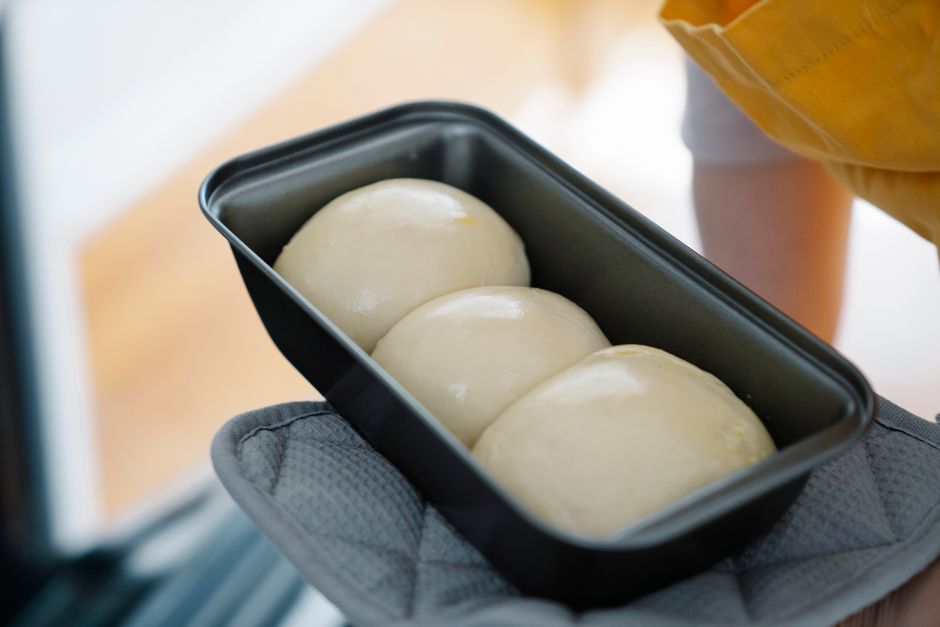
You can make yeast at home using two main methods: a wild sourdough starter made from just flour and water, or a faster “poolish” style pre-ferment made with commercial yeast. Both rely on the same basic biology — single-celled fungi eating sugars and producing carbon dioxide gas that makes dough rise. The sourdough method takes about five to seven days before it is ready to bake with. The poolish method is ready in roughly 12 to 16 hours.
That is the short answer. The longer answer involves understanding what yeast actually is, why temperature matters so much, and where home methods have real limits. This guide covers all of it honestly, including the parts most recipes leave out.
What Is Yeast And How Does It Make Bread Rise?
Yeast is a living organism — a type of fungus. The kind most relevant to baking belongs to the species Saccharomyces cerevisiae, though wild starters contain a mix of yeasts and bacteria rather than a single strain.
When yeast has access to sugar and moisture within a certain temperature range, it ferments. It converts sugars into carbon dioxide and ethanol. The carbon dioxide gets trapped in the gluten network of the dough, forming bubbles. Those bubbles expand during baking and set into the crumb structure of the bread. Ethanol evaporates off in the oven.
Commercial yeast is sold as either active dry, instant, or fresh cake yeast. All three contain the same organism, just processed differently. Wild yeast is everywhere — on flour, in the air, on your hands — and a sourdough starter is essentially a controlled environment where wild yeasts and lactic acid bacteria can multiply.
One thing worth clarifying: the tangy flavor of sourdough does not come from the yeast. It comes from the bacteria. The yeasts produce the gas. The bacteria produce the acids. That partnership is why sourdough behaves differently from a commercial-yeast dough.
How To Make Yeast For Baking: Two Easy Methods
Both methods below produce a leavening agent you can bake with. They are not interchangeable in terms of flavor or timing, but either will raise a loaf.
Method 1: Wild Sourdough Starter
This is the traditional method. It requires only two ingredients and time.
- Day 1: Mix 1/2 cup (about 60 grams) of whole wheat or all-purpose flour with 1/4 cup (about 60 grams) of lukewarm water in a clean glass jar. Stir until no dry flour remains. Cover loosely and leave at room temperature.
- Days 2–7: Once a day, discard about half the mixture and feed it with the same amounts of fresh flour and water. Stir well each time.
- Signs it is ready: The starter doubles in size within 4 to 8 hours of feeding, smells pleasantly sour, and shows visible bubbles throughout.
Whole grain flour tends to speed things up because it carries more wild microorganisms and more nutrients for them. If your kitchen is cold, the process can take longer. If it is very warm, it can move faster but may also attract mold.
Discarding part of the starter each day is not optional. It keeps the acidity in a range where the right microbes thrive and prevents the mixture from becoming too dilute or too sour to work with.
Method 2: Poolish Pre-Ferment
A poolish is a wet pre-ferment made with a small amount of commercial yeast. It is not the same as making yeast from scratch, but it is a common home method for improving flavor and texture in bread made with commercial yeast.
- Combine equal weights of flour and water — for example, 100 grams of each.
- Add a very small pinch of instant or active dry yeast. A common ratio is roughly 1 gram of yeast per 100 grams of flour, though recipes vary.
- Stir, cover, and leave at room temperature for 12 to 16 hours.
- Use the bubbly, spongy mixture as part of the liquid and flour in your final dough.
The poolish adds complexity and a slightly nutty flavor. It also improves dough extensibility, which can make shaping easier.
What Temperature Does Yeast Need To Work?
Temperature is the single biggest variable in home yeast production. Yeast activity roughly doubles with every 10°C (18°F) increase in temperature, up to a point.
Most bread yeast works well between about 75°F and 85°F (24°C to 29°C). Below roughly 50°F (10°C), activity slows dramatically but does not stop — this is why cold fermentation in the refrigerator works, just slowly. Above about 120°F (49°C), yeast begins to die. At 140°F (60°C) and above, it is essentially killed.
For a sourdough starter, the same ranges apply. A starter kept at 75°F to 80°F will typically be active and predictable. A starter in a 65°F kitchen will still work, just more slowly.
This is why recipes tell you to use lukewarm water. It is not superstition. Water that is too hot can kill the yeast before it ever gets going.





How Long Does It Take To Make Yeast At Home?
The honest answer depends on which method you use and what conditions you have.
- Sourdough starter: Typically 5 to 7 days before it is strong enough to raise bread reliably. Some starters take 10 days or more in cool kitchens.
- Poolish: 12 to 16 hours at room temperature.
A starter is considered “mature” when it reliably doubles in volume within a predictable window after feeding. Until that happens, it may still bubble but lack the strength to lift a full loaf.
There is no shortcut that produces a genuine wild starter in a few hours. Claims that you can make one overnight usually describe a poolish or a commercial-yeast sponge, not a true wild culture.
Common Problems And What They Mean
If your starter is not rising, the cause is almost always one of four things.
- It is too cold. Move it somewhere warmer, like the top of the refrigerator or a turned-off oven with the light on.
- It is being fed too little or too often. Stick to a consistent daily schedule.
- The flour is bleached or heavily processed. Unbleached flour supports microbial growth better.
- It is too young. Five days is a minimum, not a guarantee.
A dark liquid layer on top of a starter is called hooch. It is alcohol produced by the yeast and is a sign the starter is hungry. Pour it off or stir it back in, then feed. It is not a sign of spoilage by itself.
Mold, on the other hand, is different. Fuzzy patches in pink, green, or black are a reason to throw the starter out and start over. Do not try to salvage it.
Does Homemade Yeast Work As Well As Store-Bought?
For flavor, a well-maintained sourdough starter often produces bread that commercial yeast cannot match. The bacterial acids add sourness and complexity that a single-strain commercial yeast does not create.
For reliability and speed, commercial yeast wins. It is predictable, fast, and consistent from batch to batch. A wild starter varies with temperature, flour, and how well it has been maintained.
What is not accurate is the idea that homemade yeast is somehow more nutritious or healthier than commercial yeast. Both are the same basic organism doing the same basic job. The nutritional profile of the finished bread depends far more on the flour and the fermentation time than on the yeast source.
Some people with sensitivity to commercial yeast report tolerating long-fermented sourdough better. The evidence here is limited and mostly anecdotal. Anyone with a genuine medical concern should talk to a doctor rather than rely on baking methods to manage it.
Frequently Asked Questions
Can I make yeast with just flour and water?
Yes — that is exactly how a wild sourdough starter is made. The flour carries wild yeasts and bacteria that multiply over several days of regular feeding.
How do I know my homemade yeast is ready to use?
It should double in size within a few hours of feeding, smell sour but not unpleasant, and show active bubbling throughout. If it only bubbles slightly and does not expand, it is not ready.
Can I make yeast in one day?
No method produces a true wild starter in one day. A poolish made with a small amount of commercial yeast can be ready in 12 to 16 hours, but that is a pre-ferment, not yeast grown from scratch.
What happens if I use my starter before it is ready?
The dough will likely rise poorly or not at all. An immature starter lacks enough active yeast to produce the gas needed to lift bread.
