
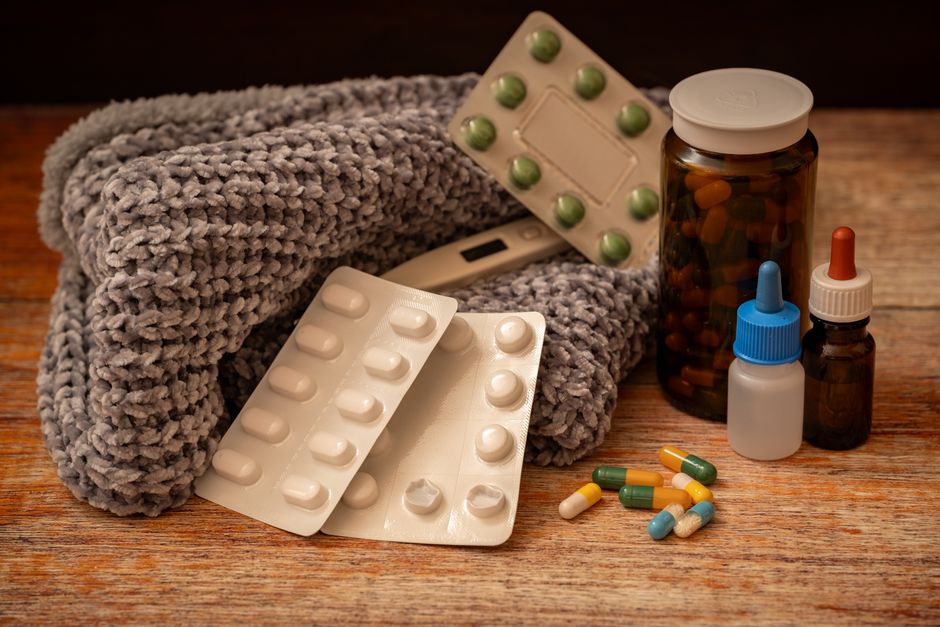
A fever is your body raising its internal temperature to fight off an infection. It is a normal and healthy immune response, not an illness itself. For most healthy adults, a fever can be managed safely at home with rest, fluids, and over-the-counter medication, and it typically resolves within a few days. The goal is not to eliminate the fever completely, but to relieve discomfort while your immune system does its work.
What Counts As A Fever And When Should You Worry?
A normal body temperature is around 98.6°F (37°C), but it can fluctuate slightly throughout the day. Most medical professionals consider a temperature of 100.4°F (38°C) or higher to be a fever.
For most healthy adults, a fever is not dangerous on its own. It becomes a concern when it climbs very high or persists. Seek medical attention if your temperature reaches 103°F (39.4°C) or higher, or if a fever lasts longer than three days.
Certain symptoms alongside a fever warrant immediate medical care. These include severe headache, stiff neck, difficulty breathing, chest pain, confusion, or a rash that does not fade when pressed. If you have a serious chronic condition like heart disease, diabetes, or a weakened immune system, contact your doctor early.
For children, the rules are different. Infants under three months with a temperature of 100.4°F (38°C) or higher need immediate medical evaluation. For older children, contact a pediatrician if a fever lasts more than a couple of days or is accompanied by listlessness, poor fluid intake, or unusual irritability.
How To Get Over A Fever Fast And Safely: The Basics
There is no way to instantly cure a fever, but you can safely manage the symptoms while your body fights the infection. The core strategy is simple: rest, hydrate, and treat discomfort only if needed.
Rest is essential. Your body is using significant energy to raise its temperature and fight off pathogens. Physical activity raises your core temperature further and diverts energy away from your immune response. Stay home, lie down, and let your body do its job.
Hydration is the most critical factor. A fever increases fluid loss through sweating and increased breathing rate. Dehydration can make you feel worse and prolong recovery. Drink water, clear broths, or electrolyte solutions steadily throughout the day. Avoid alcohol and caffeinated drinks, which can dehydrate you further.
Over-the-counter medications like acetaminophen (Tylenol) and ibuprofen (Advil, Motrin) can reduce fever and relieve body aches. These medications do not kill the virus or bacteria causing the infection. They only mask the symptoms. Use them if you are uncomfortable, not just because the thermometer reads high.
What To Eat And Drink During A Fever
Fluids matter more than food during a fever. Your body needs water to maintain blood volume and support immune function. Plain water is fine, but you lose sodium and potassium through sweat. Broths and oral rehydration solutions help replace these electrolytes.
If you feel like eating, choose bland, easy-to-digest foods. Toast, crackers, rice, bananas, and applesauce are gentle on the stomach. Do not force yourself to eat if you have no appetite. For the first day or two, fluids alone are acceptable.
Some people believe in the old advice to “starve a fever.” There is no good evidence to support this. If you are hungry, eat lightly. If you are not, do not worry about it. Listen to your body.
One common myth is that drinking milk makes fevers worse or increases mucus production. Research has not confirmed this. If milk does not upset your stomach, it is a fine source of fluids and calories.





Should You Sweat It Out Or Cool Down?
The idea of “sweating out” a fever by piling on blankets is a myth and can be dangerous. When you bundle up excessively, you trap heat and prevent your body from cooling itself. This can drive your temperature higher and increase the risk of dehydration.
Dress in light, breathable clothing and keep your room at a comfortable temperature. Use a light blanket if you feel chilled, but remove it if you feel hot. Your body needs to release heat, not retain it.
Sponging with lukewarm water can provide temporary relief, but it does not shorten the illness. Cold water or ice baths are not recommended. They cause shivering, which actually generates more heat and raises your core temperature. Stick with lukewarm water if you choose to sponge.
Fever-reducing medication works best when you let the fever do its job in between doses. The fever itself is part of your immune response. Suppressing it entirely with round-the-clock medication is not necessary and can prolong the underlying illness in some cases.
How Long Does A Fever Last?
Most fevers from common viral infections last two to three days. Some last only a day, and others can linger for five to seven days. The duration depends on the underlying cause, not on how aggressively you treat the fever itself.
A fever that comes and goes is normal. Your temperature may spike in the evening and drop in the morning. This pattern reflects your body’s circadian rhythm and is not a sign that the treatment is failing.
If a fever persists beyond three days in an adult, it is worth contacting a healthcare provider. Persistent fever can indicate a bacterial infection that may require antibiotics, or another underlying condition that needs evaluation.
Fevers that resolve and then return after being gone for 24 hours or more can also signal a secondary infection. This pattern warrants a medical check, especially if new symptoms have appeared.
Common Mistakes That Slow Down Recovery
Taking too much fever medication is a common error. Acetaminophen overdose can cause serious liver damage. Ibuprofen taken in excess can harm the kidneys and stomach. Always follow the dosing instructions on the label and never take two different products containing acetaminophen at the same time.
Alternating acetaminophen and ibuprofen is a common practice, but it is not well studied. Some clinicians recommend it for stubborn fevers in children, but it increases the risk of dosing errors. If you choose to alternate, keep a written log of what you took and when.
Going back to work or school too soon is another mistake. You are likely still contagious while you have a fever. Most guidelines suggest staying home until you have been fever-free for 24 hours without the use of fever-reducing medication.
Ignoring severe symptoms because you are focused on the fever number is also a problem. The height of the fever matters less than how you feel overall. A mild fever with severe chest pain is more concerning than a high fever with mild discomfort.
When To See A Doctor
Most fevers do not require a doctor’s visit. You can manage them at home with rest and fluids. However, certain situations call for medical advice.
See a doctor if your fever reaches 103°F (39.4°C) or higher, lasts more than three days, or is accompanied by severe symptoms. These include difficulty breathing, confusion, persistent vomiting, severe headache, or a stiff neck.
Adults over 65 and people with chronic conditions should have a lower threshold for seeking care. The immune system weakens with age, and infections can progress quickly in this population. A fever that would be mild in a younger person can be serious in an older adult.
If you are pregnant and develop a fever, contact your obstetrician. Fever in early pregnancy has been associated with an increased risk of certain birth defects, though the absolute risk is low. Your doctor can advise on safe fever management during pregnancy.
Fever In Children: Special Considerations
Children’s fevers deserve special attention because their bodies respond differently than adults. A child’s temperature can spike quickly and fall just as fast. The height of the fever is less important than how the child looks and behaves.
A child with a fever who is still playing, drinking, and interacting normally is generally not in danger. A child who is lethargic, difficult to wake, or refusing fluids needs medical attention regardless of the temperature reading.
For infants under three months, any fever of 100.4°F (38°C) or higher is an emergency. Their immune systems are immature, and a fever can be the only sign of a serious bacterial infection. Do not wait to see if it improves. Contact a doctor immediately.
Never give aspirin to a child or teenager with a fever. Aspirin use in children with viral infections has been linked to Reye’s syndrome, a rare but serious condition that causes swelling in the brain and liver damage. Acetaminophen and ibuprofen are the standard options for children.
Frequently Asked Questions
How long does it take to get over a fever?
Most fevers from common viral infections last two to three days. If a fever lasts longer than three days in an adult, contact a healthcare provider.
Is it better to let a fever run its course or take medication?
It is generally fine to let a low-grade fever run its course since it is part of the immune response. Take medication only if you are uncomfortable or your temperature is causing significant distress.
Should I use ice packs or cold water to bring down a fever?
No. Cold water and ice packs cause shivering, which raises your core temperature. Use light clothing, a cool room, and lukewarm sponging if you need relief.
Can I go to work with a low-grade fever?
No. You are likely contagious while you have a fever. Stay home until you have been fever-free for 24 hours without using fever-reducing medication.
