
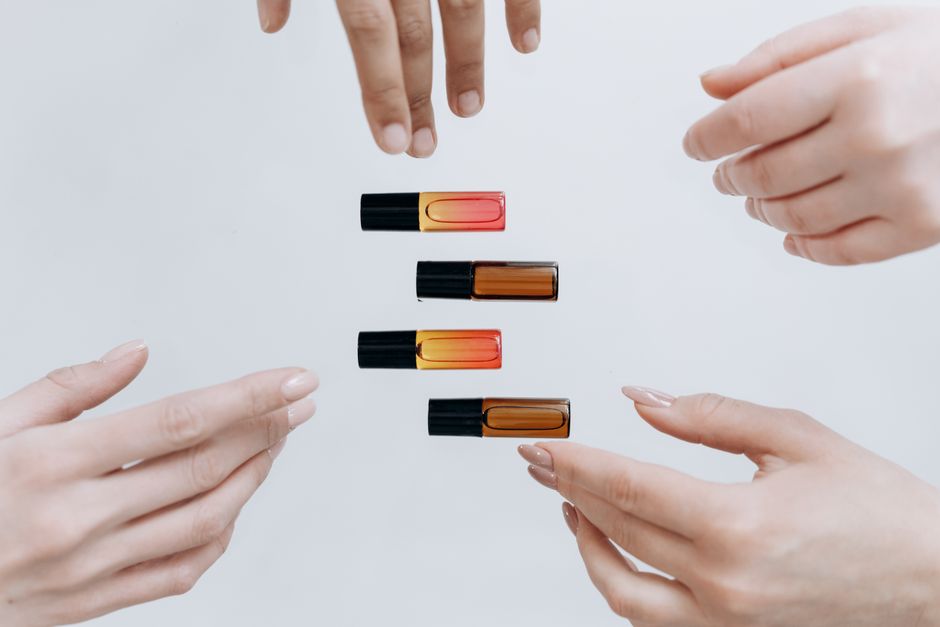
Making a pheromone perfume with essential oils is a simple process of blending fragrant oils with a carrier oil and a small amount of alcohol. The goal is to create a personal scent that mixes with your body’s natural chemistry. While essential oils do not contain human pheromones, certain plant extracts like jasmine and sandalwood are used in perfumery for their skin-enhancing and calming properties. The result is a personalized fragrance that may boost your confidence, which is often the most attractive quality of all.
What Are Pheromones and Do Essential Oils Contain Them?
Pheromones are chemical signals that animals and insects release to trigger social responses in others of the same species. In humans, the science is far less clear. No study has definitively proven that humans produce pheromones that change another person’s behavior.
Essential oils are concentrated plant extracts. They contain volatile aromatic compounds like linalool and limonene. They do not contain human pheromones. When you buy a “pheromone perfume” made with essential oils, you are buying a fragrance that is designed to smell good and blend with your skin. That is the honest science behind the label.
Some synthetic pheromone products on the market claim to contain androstadienone or estratetraenol. Research on these compounds is mixed and results vary. Some small studies suggest they may influence mood perception, but no large human trials have confirmed they make you more attractive. The evidence is not strong enough to make any reliable claim.
How To Make Pheromone Perfume With Essential Oils
Start with a base of carrier oil. Jojoba oil or fractionated coconut oil work well because they are odorless and absorb into the skin. Fill a small glass roll-on bottle about three-quarters full with your carrier oil.
Add your essential oils in layers. Perfumers use a structure of top, middle, and base notes. Top notes are light and evaporate quickly. Middle notes form the heart of the scent. Base notes are heavy and linger for hours.
A simple blend for a warm, skin-like scent includes:
- 2 drops of bergamot for a bright top note
- 3 drops of jasmine absolute for a floral middle note
- 2 drops of sandalwood for a creamy base note
- 1 drop of vanilla absolute for sweetness
Add the drops to the carrier oil, cap the bottle, and roll it between your palms to mix. Let the blend sit for 48 hours before using. This resting period allows the oils to marry and soften. Apply to pulse points like your wrists, neck, and behind the ears.
The ratio matters. A safe dilution for essential oils on skin is about 2 to 3 percent. That means roughly 5 to 6 total drops of essential oil per 10 milliliters of carrier oil. This is a general guideline for healthy adults. No clinical guidelines exist for children or pregnant women, so avoid applying essential oil blends to these groups without consulting a healthcare provider.
Which Essential Oils Are Known for Attractive or Calming Scents?
Certain essential oils have a long history in perfumery for their perceived attractiveness. Jasmine is often described as exotic and slightly sweet. Research published in the journal Natural Product Communications has noted jasmine’s calming effects on the nervous system. Sandalwood has a creamy, woody aroma that is grounding. Some studies suggest sandalwood may have a relaxing effect, though the evidence is limited.
Rose absolute is another classic. It is expensive and potent. A single drop can dominate a blend. Ylang-ylang is floral and slightly spicy. It appears in many commercial perfumes. Patchouli is earthy and strong. People either love it or hate it. Use it sparingly.
Citrus oils like bergamot and sweet orange add freshness. They are top notes that lift the blend. However, bergamot is phototoxic. It can cause skin irritation or discoloration when exposed to direct sunlight. Use bergamot in a blend that you apply to areas covered by clothing, or choose bergamot FCF, which is bergapten-free.
These oils do not mimic pheromones. They simply smell pleasant. The perception of attractiveness is influenced by many factors, and fragrance is only one small part.




Does Body Chemistry Change How a Perfume Smells?
Yes. The same perfume blend can smell different on two people. Your skin’s pH, oiliness, and temperature affect how the fragrance evaporates and interacts with your natural microbiome. This is why a perfume that smells wonderful on a friend may smell flat or sour on you.
Skin that is dry tends to hold fragrance for a shorter time. Oily skin holds scent longer because the oils bind to the fragrance molecules. Applying a plain unscented moisturizer before your perfume can help the scent last longer on dry skin.
This variability is a reason to test your blend. Apply it to your wrist and wear it for a few hours. Notice how it changes from the initial spray to the dry-down. Make notes. Adjust the blend if a note becomes too strong or disappears entirely.
How Long Does Homemade Pheromone Perfume Last?
A homemade essential oil perfume in a carrier oil typically lasts two to four hours on the skin. Base notes like sandalwood and patchouli can linger longer. Top notes like citrus evaporate within the first hour.
Adding a small amount of high-proof alcohol can extend the scent’s life. Alcohol helps the fragrance evaporate slowly and evenly. Use about 10 to 20 percent alcohol in your blend. Vodka or perfumer’s alcohol both work. Let the blend rest for at least a week if you use alcohol, as the ethanol needs time to integrate.
Store your perfume in a cool, dark place. Heat and light degrade essential oils quickly. A dark glass bottle in a drawer will keep your blend fresh for about six months. If the scent smells off or the oil turns cloudy, discard it.
Are There Risks to Wearing Essential Oil Perfumes?
Essential oils are potent. Undiluted application can cause skin irritation, redness, or a burning sensation. Always dilute in a carrier oil. Perform a patch test on your inner forearm 24 hours before applying a new blend to your neck or wrists.
Some oils are unsafe for certain populations. Clary sage and other oils should be avoided during pregnancy. No safety data supports the use of essential oil perfumes on infants or young children. If you are pregnant, breastfeeding, or have sensitive skin, talk to a healthcare provider before using any essential oil product.
Phototoxic oils are a real risk. Citrus oils like bergamot, lime, and grapefruit can cause severe skin reactions when exposed to sunlight. If you spend time outdoors, avoid these oils in your blend or cover the application site.
Finally, be aware that “pheromone perfume” is a marketing term. No essential oil blend has been clinically proven to attract others. The confidence you feel wearing a scent you love may influence how you carry yourself, and that can affect how others perceive you. That is a real effect, but it comes from you, not the bottle.
How Does This Compare to Commercial Pheromone Perfumes?
Commercial pheromone perfumes often contain synthetic compounds alongside fragrance oils. These products are not regulated by the FDA as drugs. They are sold as cosmetics or fragrance products. The manufacturers are not required to prove their pheromone claims.
Some products include androstadienone, a steroid found in human sweat. Research on androstadienone is mixed. Some studies suggest it may influence mood or attention in certain contexts. Other studies find no effect. No well-designed, large-scale trial has shown that wearing it makes you more attractive to others.
Homemade essential oil perfumes have a different advantage. You control the ingredients. You know exactly what is on your skin. You can customize the scent to your preference. What you give up is any claim to pheromone activity, because essential oils simply do not contain human pheromones.
Frequently Asked Questions
Can essential oils actually attract people like pheromones do?
No. Essential oils do not contain human pheromones, and no clinical evidence confirms that any plant extract triggers attraction in humans. They can make you smell pleasant, which may boost your confidence.
What is the best carrier oil for homemade pheromone perfume?
Jojoba oil and fractionated coconut oil are the best choices because they are odorless, absorb well, and have a long shelf life. Sweet almond oil and grapeseed oil also work but may add a slight nutty scent.
How many drops of essential oil should I use in a roll-on perfume?
Use 5 to 6 total drops of essential oil per 10 milliliters of carrier oil for a safe 2 to 3 percent dilution. This is a general guideline for healthy adults, not a clinical recommendation for children or pregnant women.
How long does homemade essential oil perfume last on the skin?
Most blends last two to four hours on the skin. Adding 10 to 20 percent high-proof alcohol can extend the scent’s longevity, and base notes like sandalwood will linger longer than citrus top notes.
