
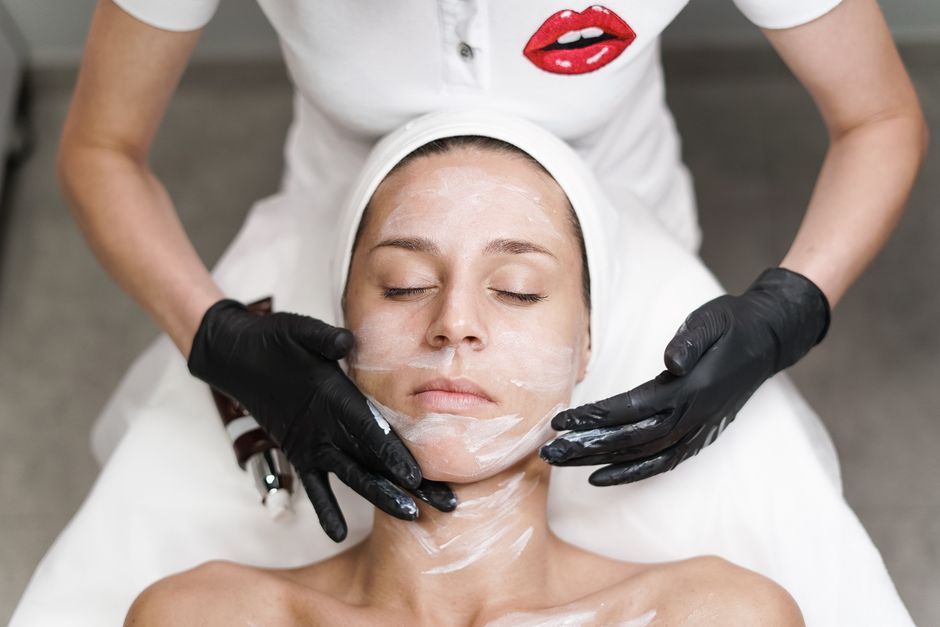
Making numbing cream at home is risky and not recommended. The active ingredients in commercial numbing creams are prescription-strength anesthetics that require precise dosing. Getting the concentration wrong can cause serious side effects, including heart problems and seizures. While the idea of saving money or avoiding a doctor visit is understandable, the potential harm outweighs any benefit.
What Is Numbing Cream And How Does It Work?
Numbing creams are topical anesthetics. They work by blocking sodium channels in nerve endings just below the skin surface. When those channels are blocked, the nerves cannot send pain signals to the brain.
The active ingredients are almost always one of three drugs: lidocaine, benzocaine, or tetracaine. Some products combine two or three of these. These drugs are well studied and have been used safely for decades when applied correctly.
Commercial products contain a specific percentage of active drug in a cream or gel base. That percentage matters. A 4% lidocaine cream is very different from a 20% lidocaine cream. The difference is not just in how strong the numbing effect is. It is also in how much drug absorbs into the bloodstream.
When you apply enough numbing cream to a large area, or leave it on too long, the drug enters your circulation. That is when systemic side effects can occur.
Why Do People Try To Make Numbing Cream At Home?
People search for homemade numbing cream recipes for several reasons. Some want to avoid the cost of professional treatments like tattoo removal or laser hair removal. Others are preparing for minor procedures at home, like splinter removal or ingrown toenail care. Some are looking for relief from chronic skin conditions like eczema or shingles.
Another common reason is cosmetic. People use numbing creams before waxing, electrolysis, or microneedling at home. The desire to reduce pain is completely reasonable. The method of achieving it is where the problem lies.
There is also a persistent internet myth that numbing cream is just a simple mixture of over-the-counter products. Some online recipes suggest combining oral pain relievers with lotion. Others recommend crushing tablets into powder and mixing them into a base. Both approaches are dangerous for the same reason: dose control.
What Happens When You Mix Ingredients Yourself?
When you buy a commercial numbing cream, the manufacturer has tested the product. They know exactly how much active ingredient is in each gram of cream. They have studied how much absorbs through intact skin versus broken skin. They have data on how long it takes to work and how long the effect lasts.
When you make cream at home, you have none of that. You cannot measure the active ingredient precisely with kitchen tools. You cannot control how evenly the drug is distributed through your mixture. One area of your skin might get a tiny amount while another area gets a dangerously high amount.
Crushing tablets is especially risky. Oral medications contain fillers and binders that are not meant for skin application. More importantly, the amount of active drug in one crushed tablet is far higher than what belongs on a small patch of skin. You cannot accurately divide a tablet’s contents across a cream base.
The result is unpredictable absorption. Some research suggests that homemade topical anesthetics have caused emergency room visits. The exact numbers are hard to track because most cases are not formally studied. But the clinical picture is clear: people have experienced toxicity from improperly dosed topical anesthetics.


What Are The Real Risks Of Homemade Numbing Cream?
The risks fall into three categories: local skin damage, systemic toxicity, and infection.
Local skin damage happens when the concentration is too high. The anesthetic can irritate the skin, causing redness, blistering, or chemical burns. Leaving a high-concentration cream on too long can damage the skin barrier itself. This is especially dangerous if you are treating broken skin, which absorbs drugs much faster than intact skin.
Systemic toxicity is the more serious risk. When too much anesthetic enters the bloodstream, it affects the heart and the central nervous system. Early signs include dizziness, ringing in the ears, a metallic taste in the mouth, and numbness of the tongue or lips. These can progress to confusion, seizures, irregular heart rhythms, and cardiac arrest.
The risk of systemic toxicity increases with the size of the area treated, the length of time the cream stays on, and the condition of the skin. Applying homemade cream to a large area like both legs or the entire back is particularly dangerous.
Infection is another concern. Homemade creams are not made in sterile conditions. You cannot guarantee that your mixing bowl, spoon, or container is free of bacteria. Applying a contaminated cream to broken skin can introduce pathogens directly into your system.
What Does The Evidence Say About Topical Anesthetic Safety?
Topical anesthetics are safe when used according to approved guidelines. The evidence for this is strong. These drugs have been used in medical settings for decades with a well-documented safety record.
The problem is not the drugs themselves. It is the dosing. Clinical guidelines exist for a reason. They specify maximum application areas, maximum durations, and maximum concentrations for each product.
For example, standard lidocaine creams are typically available in 2% to 5% concentrations for over-the-counter use. Higher concentrations require a prescription. This is not arbitrary. Higher concentrations carry higher risks of systemic absorption.
There are no clinical guidelines for homemade numbing cream because no legitimate medical body has ever studied it. No research supports the practice. The absence of guidelines is not a gap in knowledge. It is a clear signal that the practice is not medically acceptable.
What Should You Do Instead Of Making Numbing Cream?
If you need a numbing cream for a legitimate purpose, talk to a doctor or pharmacist. They can recommend a commercial product with the right concentration for your specific need. They can also tell you how much to apply and for how long.
For minor procedures at home, there are safer alternatives. Cold packs can numb small areas temporarily. Over-the-counter numbing gels in approved concentrations are available for conditions like cold sores or hemorrhoids. These products have been tested and approved for specific uses.
If you are preparing for a professional procedure like a tattoo or laser treatment, ask the provider what they recommend. Many clinics sell or provide approved numbing products for use before appointments. They know which products are safe and how to apply them correctly.
If you are treating a chronic pain condition like shingles or nerve pain, do not rely on numbing cream alone. See a doctor. There are prescription treatments that address the underlying condition, not just the surface symptom. Some of these are oral medications. Others are topical products with proven efficacy for specific conditions.
The cost of a doctor visit is a real concern for many people. But the cost of an emergency room visit for anesthetic toxicity is far higher. A single episode of seizures or cardiac arrhythmia can result in thousands of dollars in medical bills. The financial argument for homemade numbing cream falls apart quickly when you consider the potential consequences.
When To Seek Immediate Medical Help
If you have used any numbing cream, homemade or commercial, and experience any of the following symptoms, seek emergency care immediately:
- Dizziness or lightheadedness
- Ringing in the ears
- A metallic taste in your mouth
- Numbness of the tongue or lips
- Confusion or disorientation
- Seizures
- Irregular heartbeat
- Difficulty breathing
These are signs of systemic anesthetic toxicity. They require urgent medical attention. Do not wait to see if they pass. Call emergency services or go to the nearest emergency department.
Even with commercial products, these symptoms can occur if the product is misused. Applying too much, covering too large an area, or leaving it on too long can cause toxicity. Always follow the instructions on the label exactly.
Frequently Asked Questions
Can I make numbing cream with over-the-counter pain relievers?
No. Oral pain relievers like ibuprofen or acetaminophen do not numb the skin when applied topically. They also contain fillers that are not safe for skin application.
What is the safest way to numb skin at home?
Use a commercial numbing product exactly as directed on the label. For small areas, an ice pack applied for 10 to 15 minutes is a safe temporary option.
Can homemade numbing cream cause permanent damage?
Yes. Severe reactions can cause lasting nerve damage, heart rhythm problems, or skin burns. The risk is real and not worth the savings.
Is it safe to use numbing cream before a tattoo?
Commercial numbing creams are safe for tattoo preparation when used according to the product instructions and with your tattoo artist’s approval. Homemade versions are not safe.
