
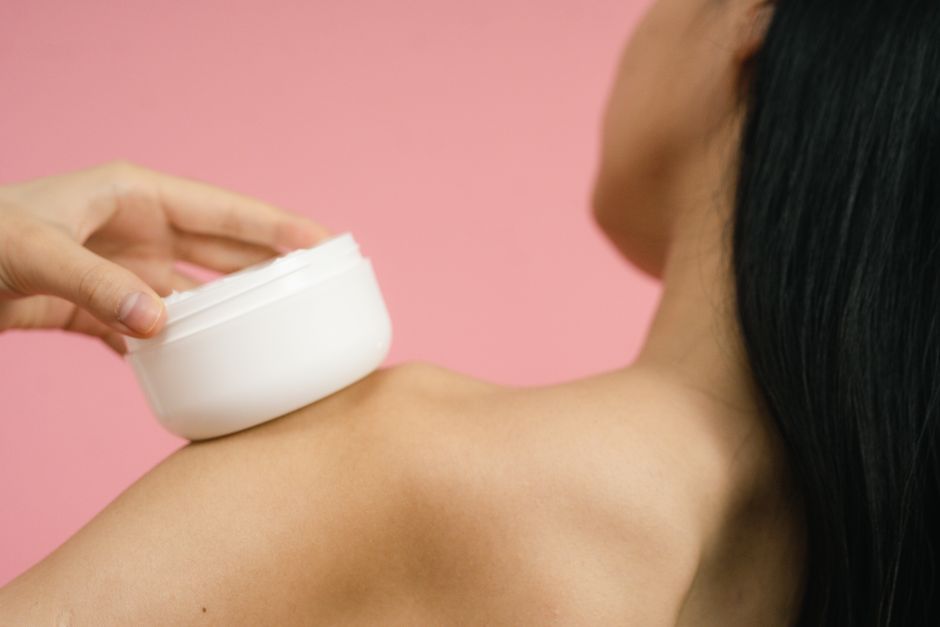
Urea cream is a moisturizer that uses urea, a compound your skin already produces, to draw water into dry, thickened, or cracked skin. At lower strengths it mainly hydrates. At higher strengths it softens and breaks down dead skin cells, which is why it is used for conditions like calluses, keratosis pilaris, and very rough heels. How well it works depends heavily on the concentration and how you apply it.
What Is Urea and Why Does It Belong in a Skin Cream?
Urea is a small molecule your body makes every day as part of normal protein breakdown. It is also one of the natural moisturizing factors found in healthy skin, alongside substances like lactic acid and amino acids. These compounds help skin hold water.
In a cream, urea does two jobs depending on how much is in the product.
At low concentrations, urea acts as a humectant. It pulls water into the outer layer of skin and helps keep it there. This is the same basic role it plays in your skin naturally.
At higher concentrations, urea also becomes a keratolytic. That means it loosens the bonds between dead skin cells so they shed more easily. This is why stronger urea products feel different from an ordinary lotion.
That dual action is the reason urea shows up in products for both everyday dryness and stubborn, thickened skin. It is not a single-purpose ingredient.
What Does Urea Cream Do for Your Skin?
Urea cream hydrates dry skin and, at higher strengths, helps thin and smooth thickened skin. The two effects come from the same molecule but kick in at different concentrations.
For hydration, urea binds water and reduces the amount that evaporates from the skin surface. Dry, flaky skin often lacks enough of these natural water-holding compounds, so adding urea back can help.
For thickened skin, urea helps break down the buildup of dead cells. This is useful on areas that take constant pressure or friction, like heels, elbows, and knees, where skin responds by getting thicker and tougher.
Some research suggests urea may also support the skin barrier in other ways, but the core, well-documented effects are moisturizing and softening. Claims about urea “reversing” aging or “repairing” deeper skin structures go beyond what the evidence supports.
What Skin Conditions Is Urea Cream Used For?
Urea cream is used most often for dry, rough, or thickened skin, and for a handful of specific conditions where scaling or hardness is the main problem.
- Dry skin (xerosis) — especially on the legs, arms, and torso.
- Cracked heels and calluses — where higher strengths help soften hard skin.
- Keratosis pilaris — those small rough bumps on the upper arms and thighs.
- Eczema and psoriasis — as a moisturizer alongside other treatment, not as a replacement for it.
- Ingrown or thickened nails — some clinicians use high-strength urea to soften nail tissue, though evidence for this use is more limited.
It is worth being clear about what urea cream does not do. It is not a treatment for infection, and it does not replace prescription therapy for inflammatory skin conditions. For eczema or psoriasis, urea can help with the dryness and scaling, but the underlying inflammation usually needs other treatment.





What Do the Different Urea Concentrations Do?
The concentration is the single most important thing to check on the label. A 5% cream and a 40% cream are not interchangeable.
| Concentration | Main effect | Typical use |
|---|---|---|
| 2–10% | Hydrating (humectant) | Everyday dry skin, mild roughness |
| 10–20% | Hydrating plus mild softening | Dry skin with some thickening, keratosis pilaris |
| 20–40% | Strong softening (keratolytic) | Calluses, cracked heels, thick scaling |
Lower strengths are generally well tolerated and can be used daily. Higher strengths are more likely to sting, especially on cracked or broken skin, and are usually applied to specific problem areas rather than the whole body.
One non-obvious point: stronger is not always better. If your skin is simply dry, a 10% cream may work as well as a 40% one, with far less irritation. The higher strengths are for genuinely thickened skin, not for routine moisturizing.
How Do You Use Urea Cream Correctly?
Urea cream works best applied to slightly damp skin, and it needs consistency to show results.
A practical approach:
- Wash and gently pat the area dry, leaving it a little damp.
- Apply a thin layer and rub it in until absorbed.
- Use it once or twice a day, depending on the product and your skin.
- For thick areas like heels, some people cover the area afterward to help the product stay in contact with the skin.
For calluses and cracked heels, results usually take days to a few weeks of regular use, not hours. If you stop, the thickening tends to return because the underlying pressure or friction has not changed.
Do not apply high-strength urea to broken, cracked-open, or inflamed skin. It can sting badly. If a crack is bleeding or looks infected, that needs medical attention, not more moisturizer.
Keep urea cream away from the eyes and mucous membranes. Wash your hands after applying it unless your hands are the area being treated.
What Are the Risks and Side Effects?
Urea cream is generally well tolerated, but irritation is real, especially at higher strengths.
Common effects include stinging, burning, redness, and itching right after application. These are more likely on cracked skin or when you start with a strong product. Many people find that starting with a lower concentration and building up reduces this.
If you have sensitive skin, eczema, or broken skin, a lower strength is the safer starting point. Some people simply cannot tolerate urea and do better with other moisturizers.
Allergic reactions are uncommon but possible. Stop using the product and seek medical advice if you develop swelling, a spreading rash, or severe irritation.
No clinical guidelines currently exist for using urea cream in infants, and it should not be applied to their skin without a clinician’s guidance. For pregnancy and breastfeeding, ask a clinician before using higher-strength products, since absorption and safety data in these groups are limited.
How Does Urea Compare to Other Moisturizing Ingredients?
Urea is not the only option, and for some people it is not the best one.
Glycerin is a humectant like urea but is not a keratolytic at any typical strength. It hydrates without softening thick skin, so it is gentler but less useful for calluses.
Lactic acid and salicylic acid are also keratolytics. Lactic acid is chemically related in how it works and is often used for similar rough-skin problems. Salicylic acid is common in products for acne and scaling conditions.
Petrolatum and ceramide creams work mainly by sealing in moisture rather than pulling it in or thinning skin. They are often better for very sensitive or barrier-damaged skin.
For plain dry skin, any good moisturizer may be enough. Urea becomes the more useful choice when skin is genuinely thick, hard, or scaly.
Does Urea Cream Actually Work?
For moisturizing dry skin and softening thickened skin, the evidence supports urea as effective. Its role as a humectant and keratolytic is well established in dermatology.
Where the evidence is thinner is in the marketing. Claims that urea cream “repairs” skin at a structural level, treats inflammatory conditions on its own, or works as a general anti-aging product are not well supported. Urea is a solid, proven ingredient for specific jobs — hydration and softening — and that is the honest scope of what it does.
If your skin problem is persistent, painful, or not improving with consistent use, that is a reason to see a clinician rather than keep switching creams.
Frequently Asked Questions
What does urea cream do to your skin?
It draws water into dry skin and, at higher concentrations, helps soften and thin thickened skin. Lower strengths mainly hydrate, while higher strengths act as a keratolytic that loosens dead skin cells.
Can I use urea cream every day?
Lower-strength urea creams are generally fine for daily use on dry skin. Higher-strength products are usually applied to specific thick areas and can cause stinging, so they are often used less often or as directed on the label.
Is urea cream safe for sensitive skin?
It can be, but higher concentrations are more likely to sting or irritate, especially on cracked or broken skin. Starting with a lower strength is the safer approach, and some sensitive-skin users cannot tolerate it at all.
How long does urea cream take to work?
Hydration effects can be felt within a day or two, but softening calluses and thick skin usually takes days to a few weeks of regular use. Results fade if you stop, since the pressure or friction causing the thickening is still there.
