
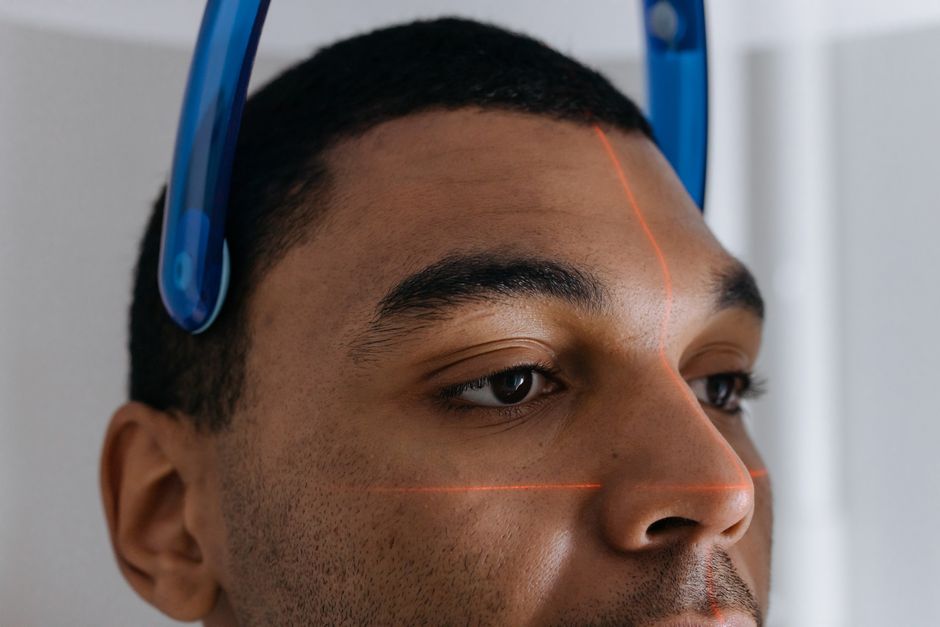
A CT scan looks for structural changes inside the body that plain X-rays cannot show clearly. It can reveal tumors, blood clots, fractures, infections, internal bleeding, and organ damage. It is one of the most detailed imaging tools available for seeing bones, blood vessels, and soft tissue at the same time.
The test itself is painless and usually takes only a few minutes. What it finds depends on which part of the body is scanned and why the doctor ordered it. Understanding what a CT can and cannot show helps you ask better questions about your own results.
What Does A CT Scan Look For?
A CT scan looks for anything that changes the normal shape, density, or position of tissue and bone. Because it takes images from many angles and combines them into cross-sectional “slices,” it can separate structures that overlap on a standard X-ray.
Doctors use CT scans most often to find:
- Bleeding inside the skull or body cavity
- Blood clots in the lungs or major vessels
- Tumors and masses in the chest, abdomen, or pelvis
- Fractures, including small or hidden ones
- Kidney stones and gallstones
- Infections such as abscesses, pneumonia, or sinusitis
- Damage to organs after injury
- Blockages in the bowel or urinary tract
CT is often the fastest way to get a clear answer in an emergency. That speed matters when a doctor needs to rule out a stroke, a torn artery, or internal bleeding within minutes.
How Does a CT Scan Actually Work?
A CT scanner is a large ring-shaped machine that rotates an X-ray tube around your body. Instead of one flat picture, it captures hundreds of images from different angles. A computer then assembles them into detailed cross-sections.
Different tissues absorb X-rays differently. Bone blocks most of the beam and appears white. Air blocks almost none and appears black. Fat, muscle, and fluid fall somewhere in between. That contrast is what lets a radiologist tell one structure from another.
Many scans use a contrast dye — swallowed, injected into a vein, or given as an enema. Contrast makes certain tissues and blood vessels stand out more clearly. It can help show whether a mass has its own blood supply, or whether blood is flowing normally through an organ. Not every scan needs it.
Here is a detail many people miss: a CT scan does not diagnose anything by itself. It produces images. A radiologist interprets those images and sends a report to your doctor. The final answer usually combines the scan with your symptoms, exam findings, and lab results.
What Can a CT Scan Detect That Other Tests Cannot?
CT excels at showing bone and dense tissue in fine detail, and it does so quickly. That combination sets it apart from several other imaging tests.
Unlike a standard X-ray, CT can show soft tissue like the liver, pancreas, and lymph nodes. Unlike an MRI, it can be done in seconds, which matters for patients who cannot stay still or who are unstable. Unlike an ultrasound, it can see through bone and gas.
Some specific things CT is well suited to find:
- Pulmonary embolism — a clot in the lung arteries, shown with a special contrast scan
- Appendicitis — an inflamed appendix, often visible on an abdominal CT
- Kidney stones — CT detects most stones regardless of their composition
- Fractures — especially in complex areas like the spine, face, and pelvis
- Some cancers — tumors in the chest, abdomen, and pelvis, plus whether they have spread
CT is not always the best choice, though. MRI generally shows soft tissue in the brain, spinal cord, and joints better. Ultrasound is often preferred for the gallbladder, the thyroid, and pregnant patients because it uses no radiation.
What a CT Scan Cannot Reliably Show
A CT scan is powerful, but it has real limits. Knowing them prevents false confidence in a normal result.
Small tumors can be missed, especially early ones. Very small lymph nodes or tiny deposits of cancer may not appear at all. Some tumors look similar to benign growths, so a CT alone cannot always tell them apart.
CT also struggles with certain tissues. It is not the best test for early changes in the brain, spinal cord, or cartilage. It cannot show function — it shows structure. A CT can show that a kidney looks normal, but it cannot directly measure how well that kidney is filtering blood.
There is another limit worth naming. A normal CT does not rule out every condition. If symptoms continue, doctors may order other tests even when the scan looks clean. This is common and not a sign that anything was done wrong.
When Is a CT Scan Usually Ordered?
Doctors order CT scans in a few broad situations: emergencies, cancer evaluation, and follow-up of known problems.
In the emergency room, CT is often the first choice for head injury, suspected stroke, severe abdominal pain, and trauma. It is fast and can be done on a patient who cannot cooperate with a longer test.
In cancer care, CT helps find a tumor, measure its size, check whether it has spread, and track how it responds to treatment. It is one of the standard tools for staging many cancers.
For ongoing problems, CT can monitor a known aneurysm, check a surgical repair, or look for complications after an operation. It can also guide certain procedures, such as a biopsy, by showing the doctor exactly where to place a needle.
Is the Radiation From a CT Scan a Concern?
CT scans use more radiation than a plain X-ray. A single chest X-ray delivers a very small dose, while a CT scan of the same area can deliver many times more. This is a real difference, and it is why doctors do not order CT scans casually.
That said, the risk from a single scan is generally considered small. The main concern is cumulative exposure over a lifetime, especially in younger people. This is why guidelines often steer children and pregnant patients toward ultrasound or MRI when those tests can answer the question.
If you are worried, it is reasonable to ask your doctor three things: Is this scan necessary? Is there an alternative that uses no radiation? And has the lowest effective dose been requested? These are fair questions and most clinicians welcome them. The benefit of finding a serious problem often outweighs the small risk of the scan itself, but that balance is worth discussing when the choice is not urgent.
What Happens During and After the Scan?
Most CT scans take less than 15 minutes from start to finish. You lie on a table that slides into the ring-shaped opening. The machine does not fully enclose you the way an MRI does, which helps people who feel uneasy in tight spaces.
You may be asked to hold your breath for a few seconds so the images are not blurred. If contrast is used, you might feel a warm flush or a brief metallic taste. These sensations pass quickly.
After the scan, a radiologist reviews the images and writes a report. Your doctor then explains what the results mean for you. Results are often ready the same day for urgent cases, but routine scans can take longer to read.
If contrast was injected, drinking extra water afterward helps your kidneys clear it. If you have kidney problems or a history of contrast reactions, tell your doctor before the scan — this changes how the test is planned.
How Does CT Compare to Other Imaging Tests?
| Test | Best For | Radiation | Speed |
|---|---|---|---|
| CT | Bone, bleeding, trauma, cancer staging, lungs | Yes, higher than X-ray | Seconds to minutes |
| X-ray | Simple fractures, chest infection, dental | Yes, low | Seconds |
| MRI | Brain, spinal cord, joints, soft tissue detail | No | 30-60 minutes |
| Ultrasound | Gallbladder, thyroid, pregnancy, blood flow | No | 15-30 minutes |
No single test is best for everything. The right choice depends on what the doctor is looking for, how urgent it is, and the patient’s age and health. Sometimes two tests are used together because each shows something the other misses.
Frequently Asked Questions
Can a CT scan detect cancer?
Yes, CT scans can detect many tumors in the chest, abdomen, and pelvis, and can show whether cancer has spread. However, CT cannot always tell a benign growth from a malignant one, so a biopsy is often needed to confirm the diagnosis.
Does a CT scan show everything in the body?
No, a CT scan shows structure but not function, and it can miss very small tumors or early tissue changes. It is also not the best test for the brain, spinal cord, or joints, where MRI usually provides more detail.
Is a CT scan safe?
CT scans are generally considered safe when medically needed, and the risk from a single scan is small. The main concern is cumulative radiation exposure over a lifetime, so doctors avoid unnecessary scans, especially in children and pregnant patients.
How long does a CT scan take?
Most CT scans take less than 15 minutes from start to finish, and the actual scanning often lasts only a few minutes. You may need to hold your breath briefly and stay still so the images are clear.
