
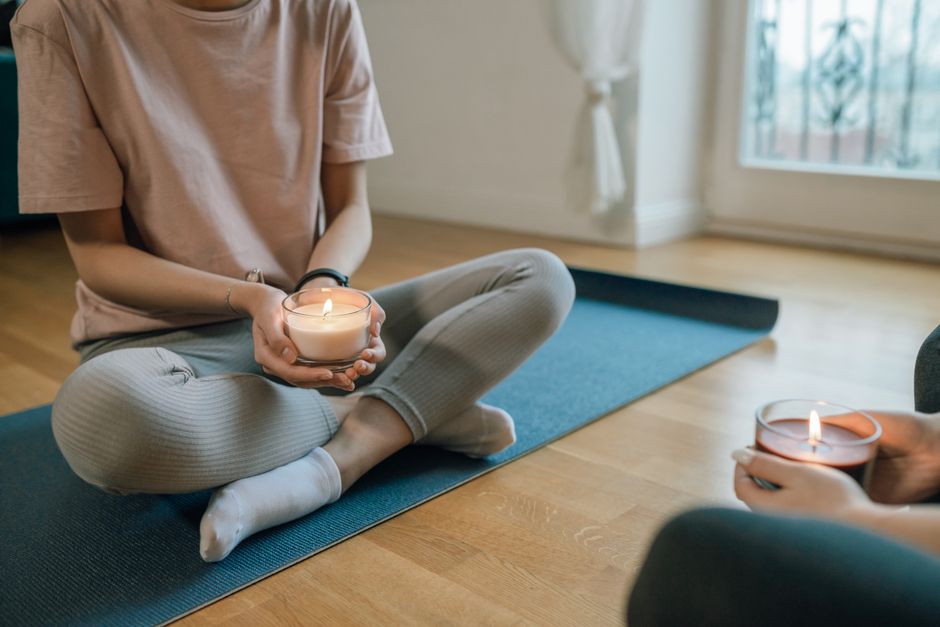
Making healthy non-toxic candles at home comes down to two choices: the wax and the wick. Choose a clean-burning wax like 100% soy, beeswax, or coconut wax, pair it with a cotton or wood wick, and skip fragrance oils and dyes. That combination removes most of the pollutants a candle can release into your indoor air.
Almost everything else in candle making is technique. Temperature, wick size, and cooling time affect how well the candle burns. But they do not change what is in the air you breathe. That part is decided entirely by your ingredients.
What Makes a Candle Non-Toxic?
Non-toxic means the candle burns without releasing meaningful amounts of harmful compounds into your home. Three things determine that: the wax, the wick, and anything added for scent or color.
The wax matters most. Paraffin is a petroleum byproduct, and when it burns it releases volatile organic compounds (VOCs) and fine particulate matter. Research published in the journal Environmental Health Perspectives found that paraffin candles can emit VOCs including toluene and benzene, though the amounts vary widely by candle and are generally far lower than what you would get from a cigarette or a gas stove. The concern is real but easy to overstate.
The wick matters just as much. Older candles sometimes used lead-core wicks, which could release lead into the air. The United States banned lead wicks in candles in 2003, so any candle made today should be lead-free. Still, some imported or vintage candles may not be. A simple cotton wick avoids the question entirely.
Fragrance is the third piece. Synthetic fragrance oils can contain phthalates and other compounds that release VOCs when burned. This is where most “non-toxic” claims fall apart — a soy candle loaded with synthetic fragrance is not doing much better than paraffin.
Which Wax Is Best for a Non-Toxic Candle?
Soy, beeswax, and coconut wax are the three cleanest practical choices. Each burns without the petroleum base of paraffin, and each has trade-offs in how it melts, how it holds scent, and how it looks.
| Wax Type | Source | Burn Quality | Notes |
|---|---|---|---|
| Soy | Soybean oil | Clean, slow, cool | Soft, can frost, holds scent moderately |
| Beeswax | Honeybee hives | Very clean, natural honey scent | Hard, high melt point, expensive |
| Coconut | Coconut oil | Clean, smooth finish | Blends well, good scent throw |
| Paraffin | Petroleum | Strong scent throw | Releases VOCs and soot |
Beeswax is the cleanest-burning of the three in most comparisons, but it is also the hardest to work with and the most expensive. Soy is the most popular for beginners because it is forgiving and widely available. Coconut wax is a newer option that many makers blend with soy for better scent throw.
One clarification worth knowing: “soy candle” on a label does not guarantee a clean burn. Many commercial soy candles are blends that contain paraffin without saying so. If you make your own, you control the ratio.
What Kind of Wick Should You Use?
Use cotton, hemp, or wood wicks. Avoid anything with a metal core unless you can confirm it is zinc or tin and not lead.
Cotton wicks are the standard for non-toxic candles. They are inexpensive, easy to find, and burn predictably. The main variable is size. A wick that is too small will tunnel and drown in the wax. A wick that is too large will burn hot, smoke, and produce soot.
Wood wicks crackle and look attractive, but they are fussier. They need to be trimmed to about 1/8 inch before every burn, and they work best in wider containers.
Wick sizing depends on the diameter of your container, not its height. A container that is 3 inches across needs a different wick than one that is 2 inches across, even if both hold the same amount of wax. Most wick suppliers publish a sizing chart. Follow it rather than guessing.




How Do You Avoid Toxic Fragrance and Dye?
Skip synthetic fragrance oils and artificial dyes entirely, or replace them with essential oils and natural colorants. This is the single biggest step most home candle makers miss.
Synthetic fragrance oils are the main source of VOCs in scented candles, whether the wax is paraffin or soy. A 100% soy candle with a heavy synthetic fragrance load is not meaningfully cleaner than a paraffin candle with the same fragrance.
Essential oils are a common substitute, but they are not automatically safe to burn. Some essential oils can irritate airways, and citrus oils in particular can be skin sensitizers. If you use them, keep the amount low and ventilate the room.
For color, natural options include:
- Beetroot powder for pink and red tones
- Spirulina or matcha powder for green
- Cocoa powder for brown
- Turmeric for yellow and orange
These fade over time and can clog wicks if you use too much. Many experienced makers simply leave candles uncolored.
Step-by-Step: How To Make Healthy Non Toxic Candles At Home
The process is straightforward. Melt, wick, pour, cure. The details are what separate a candle that burns well from one that tunnels or smokes.
What you need:
- Clean glass jars or metal tins
- Soy, beeswax, or coconut wax
- Cotton or wood wicks with tabs
- A double boiler or heat-safe pouring pitcher
- A thermometer
- Wick centering tool or two pencils
Steps:
- Attach the wick to the bottom of the container with its metal tab. Center it.
- Melt the wax in a double boiler. Never melt wax directly over a flame — wax can catch fire.
- Heat to about 170°F to 180°F, then let it cool to around 135°F before pouring.
- If using essential oils, add them at around 135°F and stir gently for about two minutes.
- Pour slowly into the container, leaving about half an inch of space at the top.
- Hold the wick upright with a centering tool or two pencils laid across the rim.
- Let the candle cool undisturbed for 24 to 48 hours.
- Trim the wick to about 1/4 inch before the first burn.
Wax is flammable and can flash into fire if overheated. Keep a lid nearby to smother a small wax fire, and never use water on a wax fire — it spreads the flames.
Why Does Curing Time Matter?
Curing lets the wax and any scent bind together. Skip it and the candle will burn weakly and smell faint.
Soy and coconut candles benefit most from curing. A common practice is to let them sit for one to two weeks in a cool, dark place before burning. Beeswax needs less time because it holds its own natural scent.
This is one of those steps that home makers tend to rush. It genuinely changes how the finished candle performs.
Do Non-Toxic Candles Still Release Anything?
Yes. Any candle that burns produces some combustion byproducts, including small amounts of particulate matter and carbon dioxide. The goal is not zero emissions — that is not achievable with an open flame.
The goal is fewer harmful compounds. A soy or beeswax candle with a cotton wick and no synthetic fragrance releases far less than a paraffin candle with synthetic fragrance and dye. That is the meaningful comparison.
Ventilation matters more than most people realize. Burning any candle in a closed, small room concentrates whatever it releases. Opening a window or running a fan while a candle burns reduces exposure regardless of what the candle is made from.
Is It Cheaper to Make Your Own?
Sometimes, but not always. The upfront cost of wax, wicks, containers, and a thermometer can run higher than a few store-bought candles. Once you have the supplies, the per-candle cost drops.
The real value is control. You know exactly what is in the candle because you put it there. That is the point of making them yourself.
Frequently Asked Questions
Are soy candles actually non-toxic?
Pure soy wax burns cleaner than paraffin, but many commercial “soy” candles are blends that contain paraffin or synthetic fragrance. A soy candle is only as clean as everything you add to it.
Can I use essential oils instead of fragrance oils?
Yes, but essential oils are not automatically safe to burn. Some can irritate airways or sensitize skin, so use them sparingly and ventilate the room.
How long should I let my homemade candles cure?
Soy and coconut candles typically need one to two weeks of curing for the best scent and burn. Beeswax needs less time because it holds its own natural scent.
Do non-toxic candles produce soot?
Any candle can produce some soot, especially if the wick is too long or the candle is in a draft. Trimming the wick to about 1/4 inch before each burn reduces it.
