
You do not need a pantry full of exotic spices or complicated techniques to make food taste great every time. The real secret is understanding a few basic principles: salt at the right time, heat that is high enough, and a balance of fat and acid. Most bland food is not a recipe problem — it is a technique problem. Fix the technique, and almost any meal can be flavorful.
What Is the Single Most Important Step for More Flavor?
Salt is not the enemy. It is the most important tool you have. The key is when you salt, not just how much.
Salting food early — especially meat, poultry, and vegetables — gives salt time to move deep into the cells. This changes the food from the inside out. Research from the American Culinary Federation explains that salt breaks down proteins and helps them hold moisture. That means juicier meat and more evenly seasoned vegetables.
If you salt only at the table, the flavor stays on the surface. You taste saltiness, but the food itself remains bland. For a whole chicken or a pork roast, salt it at least 40 minutes before cooking. For vegetables, toss them with salt 10 to 15 minutes before roasting. You will notice a clear difference in depth of flavor.
Does High Heat Actually Make Food Taste Better?
Yes. And it is one of the most underused techniques in home kitchens.
The chemical reaction that creates deep, savory flavor is called the Maillard reaction. It happens when food hits 285°F (140°C) or higher. The sugars and amino acids on the surface of the food react and create hundreds of new flavor compounds. This is what gives a seared steak its crust and roasted vegetables their sweetness.
Many home cooks cook on medium heat because they are afraid of burning. That is a mistake. A hot pan — one where a drop of water dances and evaporates instantly — is what you need. Pat your food dry before it hits the pan. Moisture on the surface lowers the temperature and stops the browning reaction. Dry surface plus high heat equals flavor.
One study published in the Journal of Agricultural and Food Chemistry found that cooked meat had over 400 volatile flavor compounds, while raw meat had fewer than 100. Most of those compounds come from high-heat cooking. Do not skip the sear.
How Do Fat and Acid Work Together in Cooking?
Fat carries flavor. Acid brightens it. Together, they make food taste complete.
Many fat-soluble flavor compounds simply cannot be tasted without fat. That is why a pinch of salt on a raw tomato tastes flat, but a drizzle of olive oil makes it taste like a tomato. The fat dissolves and releases those compounds onto your tongue.
Acid — from lemon juice, vinegar, or wine — does the opposite. It wakes up your taste buds and cuts through richness. A dish that tastes dull or heavy is often missing acid, not salt. A squeeze of lemon over roasted vegetables or a splash of vinegar in a braise can fix a flat dish instantly.
Here is a simple rule: if a dish tastes one-dimensional, add fat first. If it still tastes flat, add acid. If it tastes salty but not flavorful, you need more fat or acid — not more salt.




What Is the Role of Aromatics and Fresh Herbs?
Aromatics — onions, garlic, ginger, celery, carrots — are the foundation of flavor in most cuisines. But timing matters more than people think.
Garlic burns easily. If you add it at the same time as onions, the garlic will turn bitter before the onions soften. The better order is: cook onions or leeks first until soft, then add garlic for the last 30 to 60 seconds. This prevents bitterness and keeps garlic’s pungent character.
Fresh herbs like basil, cilantro, and parsley lose their flavor quickly with heat. Add them at the very end of cooking, or use them as a garnish. Dried herbs, on the other hand, need time to rehydrate and release their oils. Add them early — in the first few minutes of cooking.
One common mistake is using dried herbs that are more than a year old. They lose most of their volatile oils. If your dried oregano or thyme has been in the cabinet for two years, throw it out. It is adding almost no flavor.
How To Make Food More Flavorful Every Time With Simple Techniques
This is not about fancy equipment or hard-to-find ingredients. It is about three techniques that cost nothing and change everything.
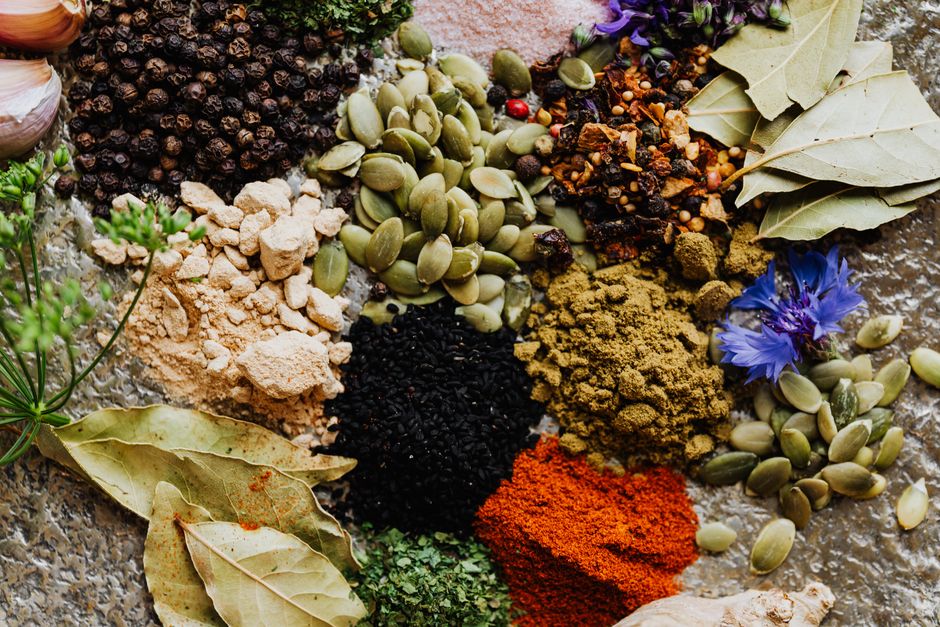
- Toast your spices. Whole or ground spices — cumin seeds, coriander, fennel, mustard seeds — release oils when heated in a dry pan for 30 seconds. This intensifies their flavor dramatically. Do not skip this step.
- Brown your tomato paste. Tomato paste straight from the can tastes raw and acidic. Cook it in the pan for 2 to 3 minutes until it darkens and smells sweet. This deepens the flavor of any sauce, stew, or braise.
- Deglaze the pan. After searing meat or vegetables, add a splash of wine, broth, or water to the hot pan. Scrape up the browned bits stuck to the bottom. Those bits are pure concentrated flavor. Pour them over your food or stir them into a sauce.
These three techniques alone can elevate a dish from average to memorable. They require no extra ingredients — only a few extra minutes.
What Are Common Myths About Making Food More Flavorful?
Some widely shared cooking tips are not backed by evidence. Here are a few to ignore.
Myth: “You must sear meat to seal in the juices.” This is false. Searing does not seal anything. It creates flavor through browning, but it does not lock moisture in. In fact, a high-heat sear evaporates surface moisture. The juiciness of meat depends on internal temperature and resting time, not searing.
Myth: “Add salt only at the end.” This applies to some delicate foods like fish or eggs, but for most dishes, early salting is better. Salt penetrates food over time. Adding it at the end means it stays on the surface. You get a salty bite rather than evenly seasoned food.
Myth: “More spices always mean more flavor.” Too many competing flavors can create a muddy taste. A dish with five spices can taste less flavorful than one with two or three used well. Balance matters more than quantity.
As of 2026, no clinical evidence supports the idea that any single spice or supplement can make food taste better. The flavor boost comes from technique, not from any one ingredient.
How Do Different Cooking Methods Change Flavor?
Not all cooking methods create the same depth of flavor. Here is a quick comparison of common methods.
| Method | Flavor Profile | Best For |
|---|---|---|
| Roasting | Deep, caramelized, sweet | Root vegetables, chicken, whole fish |
| Searing | Savory, browned, crusty | Steaks, pork chops, tofu, mushrooms |
| Braising | Rich, complex, tender | Tough cuts of meat, beans, cabbage |
| Steaming | Clean, delicate, mild | Fish, vegetables, dumplings |
| Stir-frying | Smoky, crisp, bright | Thinly sliced meat, vegetables, noodles |
Each method has a purpose. Steaming preserves natural flavors but does not create new ones. Roasting and searing create new flavor compounds through browning. Braising builds flavor slowly by combining browning with long, moist cooking. Choose the method that matches the result you want.
What Are the Best Ways to Use Umami for Depth?
Umami is the fifth taste — savory, meaty, mouth-filling. It is not a trend. It is a biological fact. Your tongue has specific receptors for umami, triggered by glutamate.
Foods naturally high in umami include tomatoes, mushrooms, aged cheese, soy sauce, miso, anchovies, and cured meats. Adding even a small amount of one of these to a dish can increase perceived flavor without adding salt or fat.
A teaspoon of soy sauce or a splash of fish sauce in a stew or soup adds depth without making the dish taste like soy or fish. The same is true for a small amount of Parmesan rind simmered in a broth. These ingredients act as flavor enhancers, not main flavors.
Research from the Monell Chemical Senses Center shows that umami compounds can increase salivation and make food feel more satisfying. This is why a tomato-based sauce often tastes more complete than a plain broth — the natural glutamate in tomatoes triggers umami receptors.
Frequently Asked Questions
How do I make food taste less bland without adding salt?
Add acid like lemon juice or vinegar, or use umami-rich ingredients like mushrooms, soy sauce, or Parmesan.
What is the quickest way to add flavor to a dish?
Toast your spices in a dry pan for 30 seconds before adding them to the food.
Can I make food more flavorful without using oil or butter?
Yes, use high-heat roasting, citrus juice, fresh herbs, or umami ingredients like miso and nutritional yeast.
Why does restaurant food taste better than home-cooked food?
Restaurants use more salt, butter, and acid, and they cook at higher temperatures than most home cooks do.
