
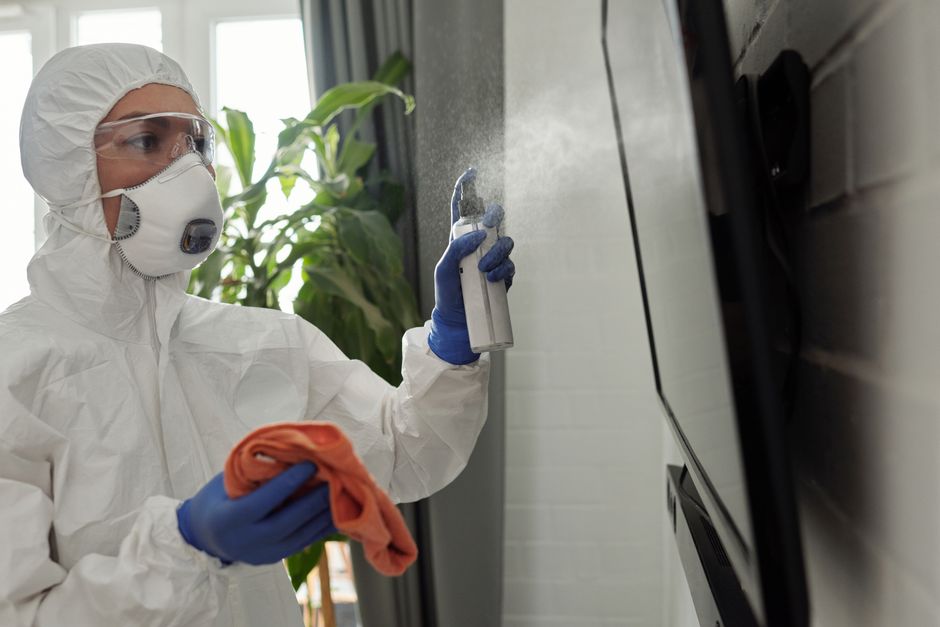
If you have ever worried about salmonella on your food, you have probably looked for ways to kill it. Hydrogen peroxide is a common household item. Some people use it to clean cuts. Others use it to disinfect surfaces. But can it kill salmonella on food? The short answer is yes, hydrogen peroxide can kill salmonella in a lab setting. But using it on food you plan to eat is a different story. It is not as simple as spraying it on your chicken or lettuce. There are serious safety concerns you need to know about first.
Does Hydrogen Peroxide Kill Salmonella On Food?
Hydrogen peroxide is a chemical compound made of water and oxygen. When it touches organic material, it breaks down and releases oxygen. This process creates free radicals that can damage the cell walls of bacteria like salmonella. Research published in the Journal of Food Protection has shown that hydrogen peroxide solutions can reduce salmonella levels on certain foods. For example, a 1% to 5% hydrogen peroxide solution can lower bacterial counts on fruits and vegetables when applied correctly.
But there is a catch. The concentration matters a lot. The hydrogen peroxide you buy at the drugstore is usually 3%. That is the standard brown bottle. At 3%, it can kill some salmonella on the surface of food. But it does not always work deeply. If the bacteria are hiding in cracks or crevices, the solution may not reach them. Also, hydrogen peroxide breaks down quickly when exposed to light and air. So its killing power fades fast.
The bigger issue is safety. Hydrogen peroxide is an oxidizing agent. At high concentrations, it can burn your skin, eyes, and mouth. Even the 3% solution can cause irritation. The U.S. Food and Drug Administration (FDA) has approved hydrogen peroxide for use in food processing at very low levels. But that is for rinsing equipment, not for treating raw food at home. There is no official recommendation from the FDA or the CDC to use hydrogen peroxide on food at home to kill salmonella.
What Does the Research Actually Say About Hydrogen Peroxide and Salmonella?
Several studies have looked at hydrogen peroxide as a food sanitizer. A 2012 study in the International Journal of Food Microbiology tested hydrogen peroxide on lettuce and tomatoes. The researchers found that a 2% solution reduced salmonella by about 99% in five minutes. That sounds great. But the same study noted that the treatment changed the look and taste of the produce. The lettuce got slightly brown. The tomatoes softened.
Another study in the Journal of Applied Microbiology tested hydrogen peroxide on poultry. The researchers found that a 5% solution reduced salmonella on chicken skin. But the treatment also caused some discoloration. The chicken looked less appetizing. And the treatment did not remove all the bacteria. Some salmonella survived in the deeper layers of the skin.
The evidence is clear that hydrogen peroxide can kill salmonella. But it is not a perfect solution. It works best on smooth surfaces like apples or peppers. It struggles on rough or porous surfaces like lettuce leaves or chicken skin. And it does not penetrate into the food. If salmonella is inside the food, hydrogen peroxide will not reach it.
The FDA has not approved hydrogen peroxide as a direct food additive for home use. The agency allows it for washing some produce in commercial settings, but only at specific concentrations and with a water rinse afterward. At home, you have no way to control the concentration or the rinse properly. That is why public health agencies do not recommend it.
How Does Hydrogen Peroxide Compare to Other Methods for Killing Salmonella?
There are several ways to kill salmonella on food. Some are proven and safe. Others are risky or unproven. Here is how hydrogen peroxide stacks up against common alternatives.
| Method | Effectiveness Against Salmonella | Safety for Home Use | Effect on Food Quality |
|---|---|---|---|
| Cooking to 165°F (74°C) | Very high – kills 99.999% | Very safe | Minimal if done correctly |
| Vinegar (acetic acid) | Moderate – reduces levels but does not fully eliminate | Safe | May change taste slightly |
| Hydrogen peroxide (3%) | Moderate – reduces levels on smooth surfaces | Risky – can cause irritation | May discolor or damage food |
| Bleach (sodium hypochlorite) | High – kills effectively but toxic | Dangerous – not for food | Leaves harmful residues |
| Water rinse | Low – removes some surface bacteria | Very safe | None |
Cooking is the gold standard. The CDC states that heating food to an internal temperature of 165°F kills salmonella instantly. No chemical treatment can match that reliability. Vinegar is a common home remedy. Some studies show it can reduce salmonella levels, but it does not kill all of it. Bleach is effective but dangerous. Never use bleach on food. It leaves toxic residues.
Hydrogen peroxide sits in the middle. It works better than water alone. But it is not as reliable as cooking. And it comes with safety risks that water and vinegar do not have.





What Are the Risks of Using Hydrogen Peroxide on Food?
Using hydrogen peroxide on food at home carries several risks. The first is chemical irritation. Even 3% hydrogen peroxide can cause a burning sensation in your mouth and throat. If you swallow it, you might get nausea or stomach pain. Higher concentrations can cause more serious injuries.
The second risk is food quality damage. Hydrogen peroxide can bleach the color out of fruits and vegetables. It can make lettuce turn brown faster. It can soften the skin of tomatoes and peppers. The food may still be safe to eat, but it will not look or taste as good.
The third risk is false confidence. If you spray hydrogen peroxide on your chicken, you might think it is safe to eat raw. That is not true. Hydrogen peroxide does not kill all the bacteria. It only reduces the number on the surface. Salmonella inside the meat or under the skin will survive. You still need to cook the food properly.
The fourth risk is improper dilution. Some online sources recommend mixing hydrogen peroxide with water. But getting the concentration right at home is hard. Too weak and it does nothing. Too strong and it becomes dangerous. Commercial food processors use precise equipment to control this. You do not have that at home.
What Should You Actually Do to Prevent Salmonella on Food?
The best way to prevent salmonella is to follow standard food safety practices. These are backed by decades of research from the CDC, the FDA, and the USDA. They work. They are safe. And they do not require any chemicals.
- Cook food to the right temperature. Use a food thermometer. Poultry should reach 165°F. Ground meat should reach 160°F. Eggs should be cooked until both the white and yolk are firm.
- Wash produce under running water. The FDA says to rinse fruits and vegetables before eating. Do not use soap, bleach, or hydrogen peroxide. Just water. Scrub firm produce like melons and potatoes with a clean brush.
- Separate raw meat from other foods. Use different cutting boards for meat and produce. Keep raw meat in sealed containers in the fridge. Do not let juices drip onto other foods.
- Keep cold food cold and hot food hot. Bacteria grow fastest between 40°F and 140°F. Do not leave food out for more than two hours. Refrigerate leftovers promptly.
- Wash your hands often. Use soap and warm water for at least 20 seconds. Do this after handling raw meat, eggs, or poultry. Also wash after using the bathroom or touching pets.
These steps are simple. They are proven. And they do not carry the risks that hydrogen peroxide does. If you are worried about salmonella, focus on cooking and hygiene. That is what the experts recommend.
Common Misconceptions About Killing Salmonella on Food
There are many myths about killing salmonella. One common myth is that vinegar or lemon juice can kill all the bacteria. Some studies suggest these acids can reduce salmonella levels. But they do not eliminate it. You still need to cook the food.
Another myth is that washing raw chicken kills salmonella. The CDC strongly advises against washing raw chicken. The water splashes bacteria onto your sink, countertops, and utensils. This spreads the bacteria around your kitchen. Cooking the chicken to 165°F is the only safe way to kill salmonella in poultry.
A third myth is that hydrogen peroxide is a natural and safe alternative to cooking. It is true that hydrogen peroxide breaks down into water and oxygen. But that does not mean it is harmless on food. The chemical reaction that kills bacteria can also damage your cells. That is why it burns when it touches a cut. Using it on food is not the same as using it on a surface.
Some people also believe that freezing food kills salmonella. Freezing stops bacteria from growing, but it does not kill them. Salmonella can survive in frozen food for months. When the food thaws, the bacteria can start growing again. Only heat kills salmonella reliably.
Frequently Asked Questions
Can I use hydrogen peroxide to wash my fruits and vegetables?
It is not recommended. The FDA advises rinsing produce under running water only. Hydrogen peroxide can leave residues and may damage the food.
What concentration of hydrogen peroxide kills salmonella?
Studies show that 1% to 5% solutions can reduce salmonella levels. But these studies were done in controlled lab settings, not in home kitchens.
Is hydrogen peroxide safer than bleach for food?
Neither is safe for direct use on food. Bleach is toxic and should never touch food. Hydrogen peroxide is less toxic but still not recommended for home food treatment.
Does cooking food kill salmonella completely?
Yes. Cooking food to an internal temperature of 165°F kills salmonella and other harmful bacteria. This is the most reliable method.
