
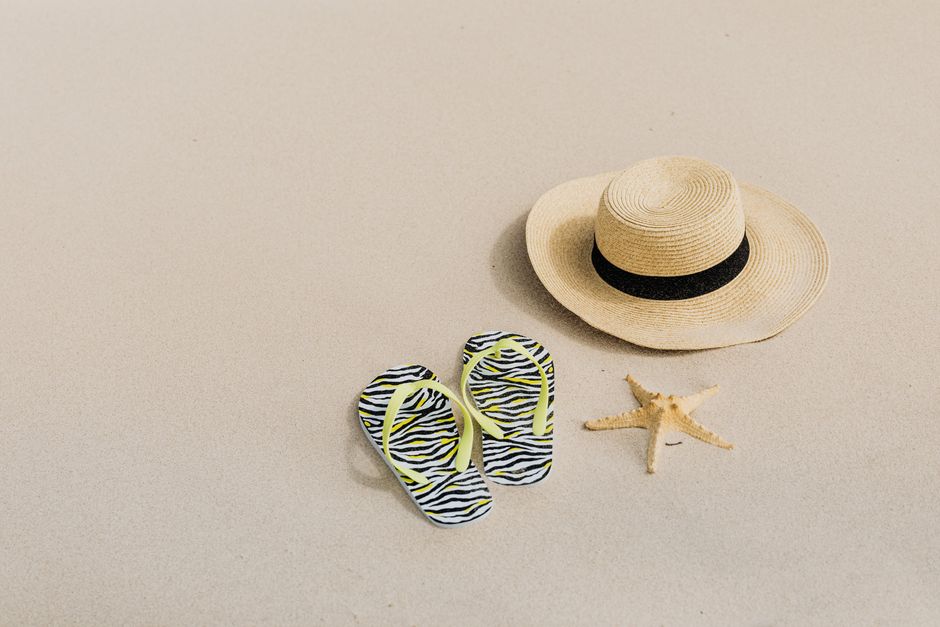
Flip flops are a summer staple, but they are also a common source of foot pain. The problem is usually the design: a flat, thin sole with no arch support and a strap that rubs against the skin. You can make them more comfortable by adding arch support, cushioning the sole, and preventing friction. The most effective fix is to replace the flat footbed with a supportive insole, which addresses the root cause of most flip flop pain.
Why Do Flip Flops Hurt Your Feet?
Flip flops lack the structural features that walking shoes have. They have no arch support, minimal shock absorption, and no heel cup to stabilize your foot. When you walk, your foot rolls inward more than it should, a motion called overpronation. This puts extra strain on the plantar fascia, the thick band of tissue along the bottom of your foot.
That strain is why people often feel pain in the heel or the arch after a day in flip flops. The thin sole also means every pebble and crack in the pavement transfers directly to the bones in your foot. Over time, this can lead to conditions like plantar fasciitis or Achilles tendonitis.
The strap causes a different set of problems. The thong piece between your toes rubs against the skin, and the side straps can chafe the top of your foot. This friction is worse when the straps are wet or when the flip flops are slightly too big, causing your foot to slide with each step.
Do Flip Flops Actually Cause Plantar Fasciitis?
Yes, flip flops can contribute to plantar fasciitis, but they usually do not cause it on their own. Plantar fasciitis develops when the plantar fascia is repeatedly overstretched. Flat shoes like flip flops increase that stretching because they provide no arch support to keep the foot in a neutral position.
If you already have tight calf muscles or high arches, walking in flip flops makes the problem worse. The lack of a heel cup also means your heel pad, which acts as a natural shock absorber, is less effective. Some research suggests that supportive footwear reduces strain on the plantar fascia, while flat, flexible shoes increase it.
This does not mean you must never wear flip flops. It means you should limit how long you wear them and modify them if you plan to walk any real distance. Occasional use around the pool is fine. Wearing them for a full day of walking is where the risk increases.
How To Make Flip Flops More Comfortable And Pain Free
The single most effective change is to add an arch-supporting insole. You can buy adhesive insoles designed specifically for flip flops, or you can trim a standard thin insole to fit the footbed. Look for one with a visible arch contour rather than a completely flat piece of foam.
Here is what works best, in order of effectiveness:
- Add arch support insoles. These lift your arch and reduce strain on the plantar fascia. They are the closest thing to a real fix.
- Use a heel cup. A silicone heel cup adds cushioning and helps stabilize your heel, reducing impact with each step.
- Choose flip flops with a contoured footbed. If you are buying new ones, look for a brand that molds to the shape of your foot rather than a completely flat slab of rubber.
- Break them in gradually. Wear them for short periods at home before a full day out. This lets the straps soften and your feet adjust.
Do not rely on “memory foam” footbeds alone. Memory foam feels soft at first, but it compresses permanently over time and offers no structural support. A firm, contoured insole is better than a soft, flat one.




How To Stop Flip Flop Straps From Rubbing
Strap friction causes blisters and raw skin between your toes and across the top of your foot. The fix is to reduce moisture and friction at the contact points.
Apply a friction balm or petroleum jelly to the areas where the strap touches your skin before you put the flip flops on. This creates a slippery barrier that prevents rubbing. You can also use moleskin, a soft adhesive padding, on the inside of the strap itself. Cut a small piece and stick it to the underside of the strap where it rubs.
If the thong piece between your toes is the problem, look for flip flops with a softer, rounded thong rather than a hard, flat one. Some brands make thongs with a fabric covering that is much gentler on the skin. If the straps are too loose, your foot slides forward and the thong digs in harder. Tightening the strap, if the design allows it, can help.
Do not pop a blister if you get one. Cover it with a bandage or blister plaster and let it heal on its own. Popping it increases the risk of infection.
Are Expensive Flip Flops Worth It?
Price does not automatically mean better support. Some expensive flip flops are just as flat and unsupportive as cheap ones. The brand name is not what matters. The shape of the footbed is what matters.
Look for flip flops that have a raised arch area, a deep heel cup, and a sole that is thick enough to absorb impact. A sole that bends easily in half is too flexible. It should have some rigidity, especially through the middle of the shoe.
That said, a well-designed supportive flip flop can be a good investment if you wear them often. Orthotic-grade flip flops are available from several brands, and some podiatrists recommend them for patients who refuse to give up open shoes. They are not a substitute for proper walking shoes, but they are significantly better than standard rubber flip flops.
When To See A Doctor About Foot Pain
If your foot pain lasts more than two weeks after you stop wearing flip flops, see a doctor. Pain that does not go away with rest, ice, and better footwear may indicate a more serious issue like a stress fracture or a torn ligament.
Seek medical attention sooner if you notice swelling, bruising, or numbness. Pain that is sharp and sudden, rather than a dull ache, also warrants a check-up. A podiatrist can assess your foot structure and recommend custom orthotics if needed.
Do not ignore persistent heel pain in the morning. Sharp pain with your first steps out of bed is a classic sign of plantar fasciitis. This condition is treatable, but it responds better to early intervention than to waiting.
What To Look For When Buying New Flip Flops
If you are in the market for a new pair, focus on structure over style. A good flip flop should have a footbed that is not completely flat. You want to see a visible contour under the arch area.
The sole should be at least one to two centimeters thick. Thicker soles provide better shock absorption. The material should be durable but not rock-hard. A slight give under pressure is good, but the sole should not compress all the way to the ground.
Check the strap placement. The straps should hold your foot in place without being tight. If your heel hangs off the back edge, the flip flop is too small. If your toes grip the footbed to keep the shoe on, it is too big or the strap is too loose.
Frequently Asked Questions
Can I wear flip flops if I have plantar fasciitis?
You can, but only if you add arch support insoles and limit your walking time. Flat flip flops without support will make plantar fasciitis worse.
How long does it take to break in flip flops?
Most flip flops soften within a few days of regular wear. If they still hurt after two weeks, the design is wrong for your foot and adding insoles is the better fix.
Are flip flops bad for your feet permanently?
No, occasional use does not cause permanent damage. Regular, prolonged wear can lead to chronic foot conditions like plantar fasciitis or tendonitis over time.
What is the best material for flip flop insoles?
Firm foam or molded rubber with a visible arch contour works best. Soft materials like memory foam feel comfortable at first but do not provide lasting support.
