
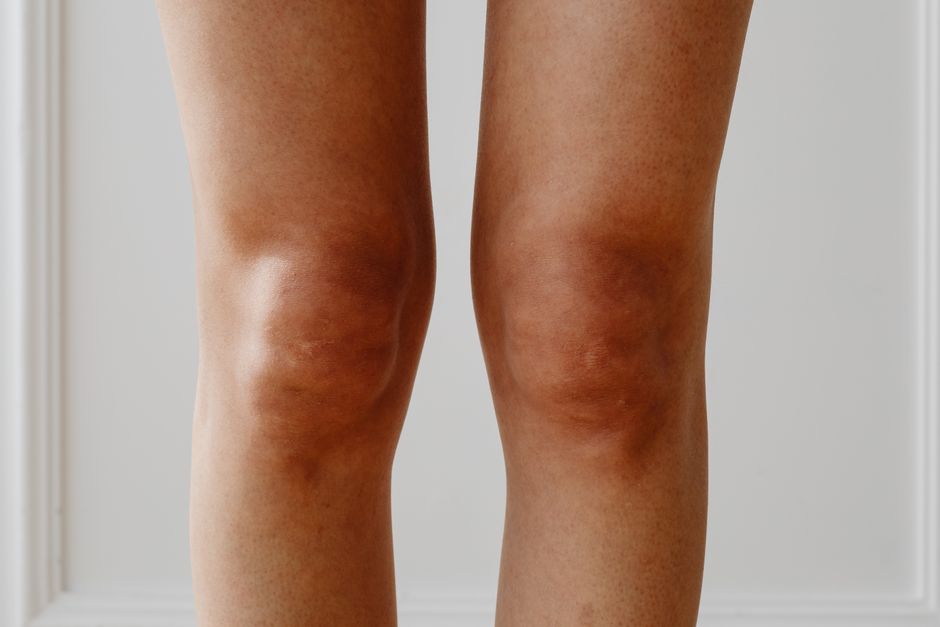
You wake up, stand up, and feel a sharp pain in your knee. You did not twist it. You did not fall. The pain came from nowhere. Sudden knee pain without injury can be unsettling, but it has clear medical explanations. The most common causes are crystal arthritis (gout or pseudogout), a flare of existing osteoarthritis, a Baker’s cyst that has ruptured, infection, or referred pain from your hip or lower back. Each has distinct features and treatments, and knowing which one you are dealing with matters.
What Causes Sudden Knee Pain Without Injury?
This is the central question. When pain appears without a fall or twist, the body is sending a signal. The knee is a complex joint with bones, cartilage, ligaments, and fluid-filled sacs. Sudden pain often comes from inflammation inside the joint or irritation of structures around it.
Two of the most common culprits are gout and pseudogout. Both are forms of arthritis caused by crystal deposits in the joint space. Gout results from uric acid crystals. Pseudogout is caused by calcium pyrophosphate crystals. Both can flare suddenly, causing intense pain, redness, and swelling that peaks within hours.
Another frequent cause is a flare of osteoarthritis. Many people with mild or undiagnosed arthritis experience sudden worsening. This can be triggered by overuse a day or two earlier, weather changes, or simply the natural progression of the disease.
A Baker’s cyst — a fluid-filled sac behind the knee — can rupture and send fluid into the calf, causing sudden pain and swelling that mimics a blood clot. Less common but serious causes include septic arthritis (infection inside the joint) and referred pain from a pinched nerve in the spine or hip joint disease.
Could It Be Gout or Pseudogout?
Gout and pseudogout often get confused with each other, but they are different conditions. Gout typically strikes one joint at a time, often the big toe, but the knee is the second most common site. The pain comes on fast — often within 6 to 12 hours — and the joint becomes hot, red, and extremely tender to touch.
Pseudogout also causes sudden knee pain, but it tends to affect older adults more often. The knee is actually the most common joint for pseudogout. The onset can be just as dramatic as gout, but the crystals are different and require different treatment.
Both conditions can be triggered by dehydration, a high-purine meal (for gout), joint injury (even a minor one), or illness. Diagnosis is confirmed by drawing fluid from the knee and looking at it under a microscope.
What About Osteoarthritis Flares?
Osteoarthritis is a wear-and-tear condition that usually develops slowly. But many people experience sudden flares. You might have had mild knee stiffness for months and then one day it becomes swollen and painful without a clear cause.
These flares can happen after a period of increased activity, a change in weather, or even after sitting for too long. The joint lining becomes inflamed, and fluid builds up inside the knee. Unlike gout, the pain is less intense and the redness is usually mild. The swelling is often a dull ache rather than a sharp, burning pain. Osteoarthritis flares tend to resolve over several days with rest and anti-inflammatory medication.





Can a Baker’s Cyst Cause Sudden Knee Pain?
A Baker’s cyst is not actually a cyst — it is a collection of joint fluid that bulges out from the back of the knee. It happens when the knee produces excess fluid due to arthritis or a meniscus tear. Many people have a Baker’s cyst without symptoms. But if it ruptures, the fluid leaks down into the calf.
When that happens, you may feel sudden pain behind the knee and down the back of your calf. The calf can become swollen, tight, and red. This looks very similar to a deep vein thrombosis (DVT), a blood clot in the leg. The two conditions can be hard to tell apart without an ultrasound. If you have sudden calf swelling and knee pain, you should see a doctor to rule out a DVT.
When Should I Worry About Infection?
Septic arthritis is a medical emergency. It happens when bacteria enter the knee joint, usually through the bloodstream. The joint becomes infected and can destroy cartilage within hours. Symptoms include sudden severe pain, swelling, redness, warmth, and fever. You may not be able to move the knee at all.
The key feature is that the pain is extreme and the joint feels hot. In most cases, only one joint is affected. Anyone with a weakened immune system, previous joint surgery, or an existing joint condition is at higher risk. If you suspect an infection, do not wait. Go to the emergency room. Treatment requires antibiotics and drainage of the joint.
Can Other Problems Refer Pain to the Knee?
Yes. Sometimes the knee is not the real problem. Pain can be referred from the hip joint or the lower spine. A pinched nerve in the back — for example from a herniated disc — can send sharp pain into the knee area without causing back pain. Hip arthritis can also cause pain that is felt in the front of the knee, especially when walking.
Referred pain is often described as a deep ache rather than a sharp, localized pain. The knee itself is not swollen or red. If your knee hurts but there is no swelling, the source may be above or below the joint. A physical exam by a doctor can help identify the true origin.
What Can I Do at Home for Sudden Knee Pain?
For most causes of sudden knee pain without injury, the first step is to rest the joint and apply ice. Ice helps reduce inflammation and numbs the area. Elevate the leg to help fluid drain. Over-the-counter anti-inflammatory medications like ibuprofen or naproxen can help — unless you have a medical reason not to take them.
Do not wrap the knee tightly with an elastic bandage if there is significant swelling. You want to allow circulation. Gentle movement within pain limits is better than complete immobilization, as the knee can stiffen up quickly. If the pain does not improve within 24 to 48 hours, or if it worsens, see a doctor.
If you have a previous diagnosis of gout or pseudogout, your doctor may have prescribed medications to take at the first sign of a flare. Use them as directed. For osteoarthritis flares, a knee sleeve or compression band can provide support, but be careful not to overcompress.
When to See a Doctor
You should see a doctor if any of the following apply: the knee is hot to the touch, you have a fever, you cannot bear weight on the leg, the swelling is severe, or the pain came on very suddenly and is severe. Also see a doctor if you have a history of gout or pseudogout and the flare does not respond to your usual medication within 24 hours.
If you have calf swelling with knee pain, you need an ultrasound to rule out a DVT. If you have redness and warmth, you need an evaluation for infection. In many cases, the doctor will aspirate the joint — draw out fluid — both to relieve pressure and to test for crystals or bacteria.
A single episode of sudden knee pain without injury is often nothing to panic about. But because some causes are serious, it is worth getting a proper diagnosis rather than assuming it is just a strain.
Frequently Asked Questions
Can sudden knee pain be a sign of something serious?
Yes, it can be a sign of septic arthritis, a blood clot, or a crystal arthritis flare. If you have fever, severe pain, or cannot move the knee, seek medical care immediately.
How long does a gout flare in the knee last?
Without treatment, a gout flare can last 5 to 10 days. With proper medication, symptoms often improve within 24 to 48 hours.
What is the fastest way to reduce knee swelling?
Rest, ice, elevation, and an anti-inflammatory medication like ibuprofen can reduce swelling quickly. For severe swelling, a doctor may drain fluid from the joint.
Can stress cause sudden knee pain without injury?
Stress itself does not cause knee pain, but it can worsen inflammation in conditions like arthritis. There is no direct evidence linking stress to sudden knee pain without a physical cause.
