
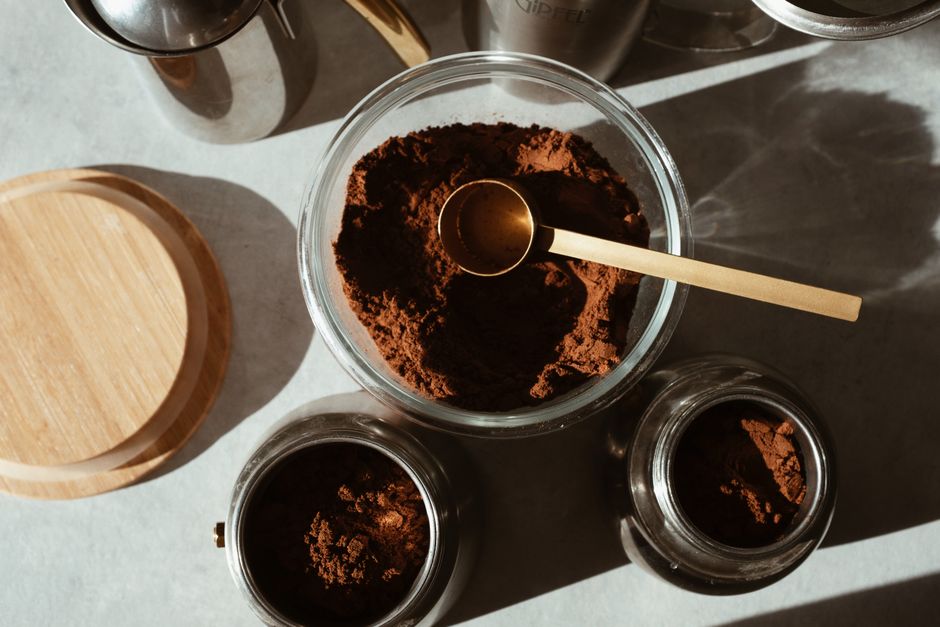
Making fenugreek powder at home is simple: roast the seeds lightly, let them cool completely, then grind them into a fine powder. Store the powder in an airtight glass jar in a cool, dark place, where it will keep its flavor and aroma for about six months. The key is roasting just until fragrant, because over-roasting turns the powder bitter.
Why Roast Fenugreek Seeds Before Grinding?
Roasting changes the flavor completely. Raw fenugreek seeds taste bitter and have a strong, almost celery-like smell. Light roasting mellows that bitterness and brings out a nutty, maple-like aroma. This happens because heat triggers chemical changes in the seeds, breaking down some of the compounds that cause the harsh taste.
Roasting also makes the seeds easier to grind. Dry heat removes residual moisture, so the seeds become brittle and turn into powder more easily. If you grind raw seeds, you often get a coarse, uneven texture that clumps together.
One warning: roasted fenugreek powder is not the same as fenugreek extract or supplements. The powder is a culinary spice. It has a distinct flavor that works well in curries, spice blends, and even some baked goods. It is not a concentrated supplement.
How To Make Fenugreek Powder Roast Grind Store: Step by Step
Start with a dry skillet or frying pan. A cast-iron or heavy-bottomed pan works best because it heats evenly. Place the pan over medium-low heat. Do not use high heat. Fenugreek seeds are small and burn quickly.
Add the seeds in a single layer. Stir them constantly with a wooden spoon or spatula. You want even toasting, not scorching on one side. After two to three minutes, you will notice the color shifting from golden-yellow to a slightly deeper brown. The aroma will change too, becoming nutty and sweet.
Remove the seeds from the pan immediately when they smell fragrant. Transfer them to a plate or a wide bowl. Hot seeds keep cooking even after they leave the pan, so spreading them out stops the roasting process. Let them cool completely. This takes about 15 to 20 minutes. Grinding warm seeds creates steam, which leads to clumping and a shorter shelf life.
Once cool, grind the seeds in a clean, dry coffee grinder or spice grinder. Pulse in short bursts rather than running the grinder continuously. This prevents the seeds from heating up from friction. Sift the ground powder through a fine mesh strainer if you want an ultra-fine texture. Return any larger pieces to the grinder for another pulse.
What Is the Best Way To Store Fenugreek Powder?
Moisture is the enemy of ground spices. Fenugreek powder absorbs humidity from the air, which causes clumping and speeds up flavor loss. An airtight glass jar is the best container. Glass does not absorb odors and does not react with the oils in the spice.
Keep the jar in a cool, dark place. A kitchen cabinet away from the stove and dishwasher works well. Light and heat degrade the volatile oils that give fenugreek its aroma. Do not store the jar next to the stovetop or above the oven, even if it is convenient.
Whole fenugreek seeds last longer than ground powder. Whole seeds can stay potent for one to two years when stored properly. Ground powder loses flavor faster because more surface area is exposed to air. For the best taste, grind only what you need for a few weeks or a month at a time.
Check the powder before using it. If it has lost its aroma or smells flat, it has gone stale. Old fenugreek powder will not make your food taste bad, but it will not add much flavor either.




How Long Does Homemade Fenugreek Powder Last?
Homemade fenugreek powder keeps its best quality for about six months. It remains safe to eat beyond that, but the flavor fades gradually. The oils in the seeds oxidize over time, which dulls the aroma and taste.
You can extend the shelf life by storing the powder in the freezer. Place the jar in a zip-top bag to protect it from freezer odors. Frozen ground spices can last up to a year. Let the jar come to room temperature before opening it, or condensation will form inside and introduce moisture.
Label the jar with the date you made the powder. This is a simple habit that prevents guessing later. If you make multiple spice blends, labeled jars also help you tell them apart.
Can You Skip the Roasting Step?
Yes, but the flavor will be different. Raw fenugreek powder is more bitter and has a stronger, greener taste. Some recipes call for raw fenugreek powder specifically. If a recipe asks for it, follow the recipe. But for most everyday cooking, roasted powder tastes better.
Some people use raw fenugreek powder thinking it is healthier. There is no good evidence that raw powder has more health benefits than roasted powder. Roasting may reduce some compounds slightly, but the differences are not well studied in humans. The choice is about flavor, not nutrition.
If you are using fenugreek for its potential health effects, talk to your doctor first. Fenugreek supplements are used for some conditions, but the research is limited. Culinary amounts in food are generally considered safe, but concentrated extracts can interact with medications, including blood thinners and diabetes drugs.
What Does Fenugreek Powder Taste Like?
Roasted fenugreek has a sweet, nutty flavor with a hint of maple. This is why fenugreek is sometimes used in artificial maple flavoring. The taste is distinctive and slightly bitter, but much milder than raw seeds.
In Indian cooking, fenugreek powder is a key ingredient in many curry spice blends. It pairs well with cumin, coriander, and turmeric. It also works in spice rubs for meat, vegetable dishes, and lentil soups.
A little goes a long way. Start with a quarter teaspoon in a dish and add more to taste. Too much fenugreek can overpower a meal with bitterness.
Common Mistakes When Making Fenugreek Powder
The most common mistake is burning the seeds. Burnt fenugreek tastes intensely bitter and ruins the powder. If you smell a sharp, acrid scent, the seeds are burning. Stop immediately and start over with fresh seeds.
Another mistake is grinding warm seeds. The heat creates steam, which makes the powder clump and shortens its shelf life. Always wait for the seeds to cool completely.
A third mistake is storing the powder in a clear container on the counter. Light degrades the flavor quickly. Use a dark glass jar or keep the jar inside a cabinet.
Finally, do not grind more than you will use in a few months. Freshly ground powder always tastes better than powder that has sat on the shelf. Grind small batches and replenish as needed.
Frequently Asked Questions
How long should I roast fenugreek seeds?
Roast them for two to three minutes over medium-low heat, stirring constantly, until they turn a shade darker and smell nutty. Remove them from the pan immediately because they continue cooking from residual heat.
Can I use a blender instead of a spice grinder?
Yes, a small blender can work, but spice grinders produce a finer, more consistent powder. If you use a blender, pulse in short bursts and sift the powder afterward to remove coarse pieces.
Does roasted fenugreek powder lose its health benefits?
Roasting may slightly reduce some active compounds, but the differences are not well established in human research. For cooking purposes, the flavor improvement outweighs any minor nutritional changes.
Can I store fenugreek powder in the refrigerator?
Yes, but a cool, dark cabinet is usually better. The refrigerator introduces humidity every time you open the door, which can cause clumping. If you choose the fridge, use an airtight jar and let it warm to room temperature before opening.
