
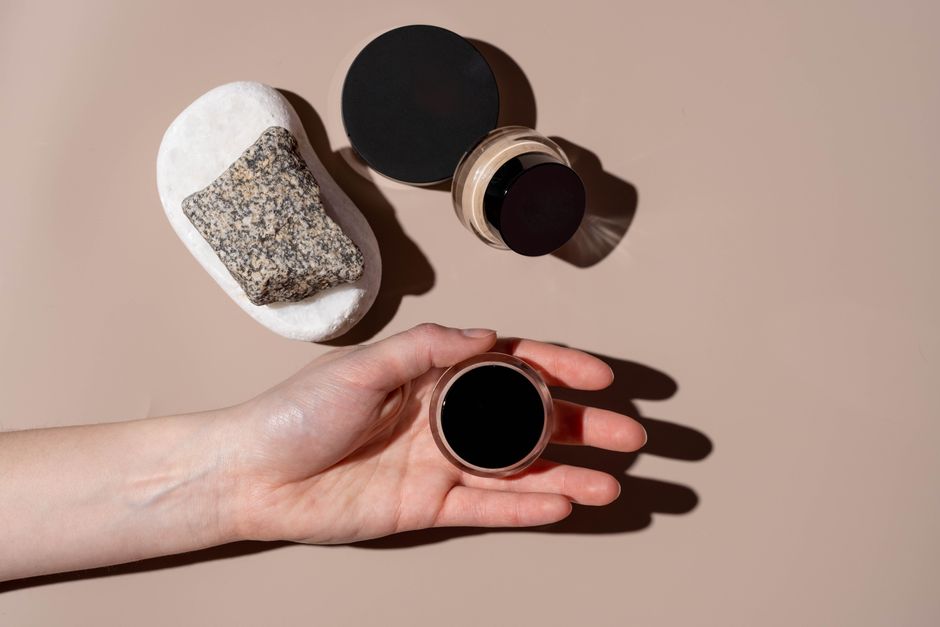
Shilajit is a sticky, tar-like substance that seeps from rocks in high mountain ranges, primarily the Himalayas. People use it for many health reasons, but the two most common forms are resin and capsules. The practical answer is that resin must be dissolved in warm liquid and taken once daily, while capsules are simply swallowed with water; the right dose depends on the form and the concentration of fulvic acid in the product.
What Is Shilajit and Why Does the Form Matter?
Shilajit forms over centuries from the slow decomposition of plant matter, compressed by layers of rock. It is rich in minerals and a compound called fulvic acid. Fulvic acid is the main active ingredient that researchers study.
The form you choose matters for absorption. Resin is the raw, purified substance in its natural state. Capsules contain processed shilajit powder, often standardized to a specific percentage of fulvic acid. Both can work, but the dosing and preparation are different.
Resin is generally considered the more traditional form. Capsules offer convenience and a consistent dose. There is no strong evidence that one form is dramatically more effective than the other when the products are high quality.
How To Take Shilajit Resin Powder And Capsules
For resin, use a pea-sized amount, roughly the size of a grain of rice. Dissolve it in warm water, milk, or tea. Do not use boiling liquid, as high heat may degrade some of the beneficial compounds. Stir well and drink it once daily.
For capsules or powder, follow the dosage printed on the product label. Most products suggest taking one capsule or one scoop of powder per day. Swallow capsules with a full glass of water. You can mix plain shilajit powder into a warm beverage just like the resin.
Timing is flexible. Some people take it in the morning for energy. Others take it before exercise. No clinical guidelines state a specific time of day. The most important factor is consistency — taking it at roughly the same time each day helps you remember it.
Do not take shilajit with dairy if you are using the resin form and find it does not dissolve well. Warm water is the simplest and most reliable option.
What Dose of Shilajit Is Safe to Take?
There is no official universal dose for shilajit. Clinical studies have used a wide range of amounts, often between 100 mg and 500 mg per day. Some studies have used higher amounts for short periods.
The concentration of fulvic acid matters more than the raw weight of the product. A high-quality product typically contains 50% to 60% fulvic acid. A lower-quality product may contain far less, meaning you get less active ingredient per dose.
Start with the lowest dose listed on the product label. This is especially important if you have never taken shilajit before. You can increase gradually after a week if you tolerate it well, but do not exceed the manufacturer’s stated maximum dose.
No clinical guidelines currently exist for shilajit dosing in pregnant women, nursing mothers, or children. These groups should not take shilajit unless a physician specifically recommends it.





What Are the Potential Side Effects and Risks?
Shilajit is generally well tolerated in the short term, but side effects are possible. The most commonly reported issues are digestive upset, nausea, and dizziness. These are more likely at higher doses.
One serious concern is heavy metal contamination. Shilajit comes from rocks and soil, so it can absorb heavy metals like lead, arsenic, and mercury. Poorly processed products may contain unsafe levels. Look for products that provide third-party lab testing results showing heavy metal levels within safe limits.
Shilajit may affect blood sugar levels. Some research suggests it can lower blood sugar, which is a problem for people already taking diabetes medication. If you have diabetes, talk to your doctor before starting shilajit.
It may also interact with blood pressure medication and thyroid medication. The evidence here is limited, but the potential for interaction is real. Any supplement that affects metabolism can change how other medications work.
Do not take shilajit if you have hemochromatosis or any condition that causes excess iron in the blood. Shilajit contains iron and could worsen this condition.
What Does the Research Actually Say About Shilajit?
Some research suggests shilajit may improve energy and reduce fatigue. A small clinical trial found that healthy adults taking shilajit reported less fatigue after a few weeks. The effect is modest and the study was small.
Other studies have looked at shilajit for testosterone levels. One study in men found a small increase in testosterone after 90 days of use. This finding has not been consistently repeated in larger trials.
Research on shilajit for brain health is mostly preliminary. Animal studies show some promise for memory and cognitive function. Human studies are limited and results are mixed.
The evidence is mixed for most claimed benefits. Shilajit is not a cure for any disease. No large human trials have confirmed that it treats or prevents any specific medical condition. Marketing claims that shilajit reverses aging or cures chronic illness are not supported by clinical evidence.
One area with more consistent evidence is its antioxidant activity. Fulvic acid does appear to have antioxidant properties in laboratory studies. This is biologically plausible, but it does not automatically translate to meaningful health benefits in humans.
How To Choose a High-Quality Shilajit Product
Quality varies widely between brands. Shilajit is not tightly regulated, so product labels do not always reflect what is inside the container.
Look for products that clearly state the fulvic acid percentage. A reputable brand will list this information. Products that do not provide this detail may be low quality or diluted.
Check for third-party testing. Independent labs can verify that the product contains what the label claims and does not contain harmful contaminants. Look for a certificate of analysis from a recognized lab.
Choose a product from a company with transparent sourcing. Shilajit from the Himalayas is traditional, but quality depends more on processing and purification than on the exact mountain range.
Be skeptical of very cheap products. Proper purification of shilajit is a multi-step process. A price that seems too good to be true usually means corners were cut.
Raw, unprocessed shilajit from an unknown source is not safe. It can contain bacteria, mold, and heavy metals. Only use products that have been purified and tested.
How Long Does It Take To See Results?
There is no reliable timeline for results because the research is limited. Some people report feeling more energy within a few days. Others notice no change for weeks.
Clinical studies that showed benefits typically lasted 8 to 12 weeks. This suggests that meaningful effects, if they occur, develop over time rather than immediately.
If you notice no benefit after 8 weeks of consistent use, the product may not be working for you. It may also be a low-quality product. Consider whether continuing is worth the cost.
If you experience any concerning symptoms, stop taking shilajit and contact a healthcare provider. Do not ignore digestive distress, allergic reactions, or unusual fatigue.
Who Should Not Take Shilajit?
Do not take shilajit if you are pregnant or breastfeeding. No safety data exists for these groups, and the risk is not justified by the unproven benefits.
Avoid shilajit if you have kidney disease. The mineral content, including potassium and iron, could be problematic for compromised kidneys.
People with autoimmune conditions should be cautious. Some evidence suggests shilajit may stimulate the immune system, which could worsen autoimmune diseases. The evidence is not strong, but the potential risk is not worth taking.
Anyone scheduled for surgery should stop taking shilajit at least two weeks beforehand. It may affect blood sugar control during and after surgery. This is a precaution based on its potential metabolic effects.
Frequently Asked Questions
Can I take shilajit on an empty stomach?
Yes, but it may cause nausea in some people. Taking it with food can reduce digestive upset.
How much shilajit resin should I take daily?
A pea-sized amount, about the size of a grain of rice, is the standard starting dose. Follow the product label if it provides a specific amount.
Is shilajit resin better than capsules?
No strong evidence shows one form is superior. Resin is traditional, while capsules offer convenience and consistent dosing.
Can I take shilajit with my other supplements?
It is generally safe, but check with a pharmacist or doctor. Shilajit may interact with blood sugar, blood pressure, and thyroid medications.
