
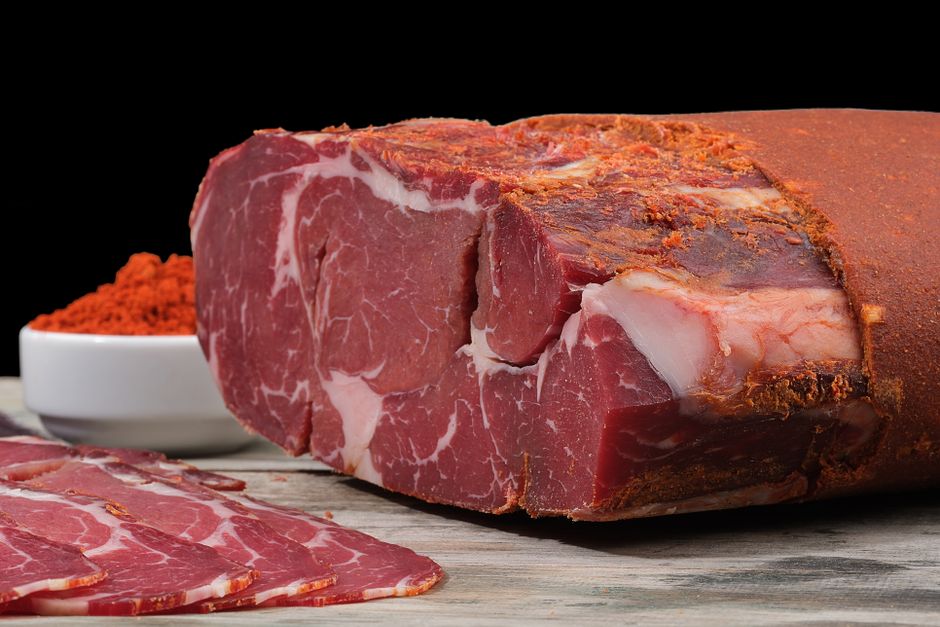
Drying meat at home turns fresh cuts into a lightweight, shelf-stable food that can last for months. The process works by removing moisture so bacteria, mold, and yeast cannot grow. To do it safely, you need lean meat, a controlled heat source, and proper storage that keeps moisture out.
What Is the Safest Way to Dry Meat at Home?
The safest method is to use a food dehydrator or an oven set to a consistent temperature. Meat must reach an internal temperature high enough to kill harmful bacteria before the drying process begins. This is not optional — it is a food safety step.
For whole muscle cuts like beef or venison, the meat should be heated to an internal temperature of 160°F before drying. For ground meat, the target is 165°F. These temperatures are based on USDA food safety guidance and are designed to destroy pathogens like Salmonella and E. coli that can survive on raw meat.
Most home dehydrators do not get hot enough to kill bacteria on their own. That is why pre-heating the meat first matters. You can do this by baking the strips in an oven before transferring them to the dehydrator, or by using a dehydrator that lets you set a higher initial temperature.
How To Make Dried Meat Cuts Drying And Storage
Start with lean meat. Fat does not dry well and turns rancid faster than lean tissue. Trim away visible fat and connective tissue before cutting. Partially freezing the meat for one to two hours makes slicing thinner and more uniform.
Cut the meat against the grain for a more tender bite, or with the grain for a chewier texture. Strips should be about 1/4 inch thick. Thicker cuts take longer to dry and increase the risk of under-drying in the center.
Marinate the strips for flavor, but keep the marinade simple. Too much sugar or oil can slow drying and create sticky spots where moisture lingers. Salt helps preserve the meat and draws out moisture, but it should not be the only safety measure you rely on.
Arrange strips in a single layer on dehydrator trays. Do not let pieces touch or overlap. Air needs to move around every surface. Drying times vary by thickness, humidity, and the machine you use, but most beef jerky takes between 4 and 8 hours at 145°F to 160°F.
Test for doneness by removing a strip and letting it cool to room temperature. Bend it. If it cracks but does not break, it is dry enough. If it bends without cracking, it needs more time. If it snaps cleanly, it is over-dried but still safe to eat.
Which Meats Work Best for Drying?
Beef is the most common choice because it is lean, widely available, and dries well. Top round, bottom round, and sirloin are good options. Venison and elk are also excellent because they are naturally very lean.
Pork can be dried, but it must be handled carefully. Trichinosis is a concern with undercooked pork, though modern farming practices have made it rare. The USDA recommends cooking pork to 145°F with a three-minute rest, but for drying, reaching 160°F internal temperature before drying is the safer target.
Chicken and turkey can be dried, but the texture is often less appealing than beef. Poultry must be cooked to 165°F before drying. Some people find that poultry jerky is drier and tougher than beef jerky. This is a personal preference issue, not a safety one.
Ground meat jerky is possible but requires more care. The grinding process spreads bacteria throughout the meat, not just on the surface. That is why ground meat needs a higher internal temperature of 165°F before drying. Some home dryers use a special jerky gun to extrude thin strips of ground meat for more even drying.




How Long Does Dried Meat Last?
Properly dried meat stored at room temperature lasts about 1 to 2 months. This assumes the meat was dried correctly, cooled completely, and sealed in an airtight container. Moisture is the enemy. Any humidity that reaches the dried meat can allow mold to grow.
Refrigeration extends the shelf life to about 3 months. Freezing extends it further, up to 6 months or more. The freezer stops the small amount of residual moisture from causing spoilage.
Vacuum sealing is the best storage method for long-term keeping. It removes air and prevents moisture from getting in. If you do not have a vacuum sealer, use heavy-duty zip-top bags and press out as much air as possible before sealing.
Add an oxygen absorber packet to the container for extra protection. These small packets are inexpensive and help prevent oxidation, which causes rancidity and color changes. Do not use oxygen absorbers if you are storing jerky with high moisture content — they will not fix an under-dried product.
What Are the Signs That Dried Meat Has Spoiled?
Mold is the most obvious sign. Any fuzzy growth, whether white, green, or black, means the meat is spoiled. Throw it away. Do not scrape off mold and eat the rest. Mold can produce toxins that penetrate deeper than the visible surface.
An off smell is another warning sign. Dried meat should smell smoky, savory, or like its seasonings. If it smells sour, rancid, or like ammonia, discard it.
Texture changes matter too. Dried meat that becomes sticky, slimy, or unusually soft has absorbed moisture. This means it was either not dried enough or the storage conditions were too humid.
A rancid taste is a late sign of spoilage. By the time you can taste it, the quality has already declined. If you are unsure whether a batch is still good, the safest choice is to throw it out. The cost of replacing a batch of jerky is far less than the cost of food poisoning.
Is It Safe to Dry Meat Without a Dehydrator?
Yes, but only if you control the temperature carefully. An oven set to its lowest temperature, usually around 170°F to 200°F, can work. Prop the oven door open slightly with a wooden spoon to let moisture escape. Place strips on a wire rack over a baking sheet so air circulates underneath.
Sun drying and air drying are traditional methods, but they are not recommended for meat in most home settings. These methods rely on environmental conditions you cannot fully control. Temperature, humidity, and insect exposure all become variables. The USDA advises against sun-drying meat at home because it does not reliably reach temperatures high enough to kill bacteria.
Smoking is another traditional approach, but it is tricky for beginners. Cold smoking does not cook the meat at all. Hot smoking can work if the smoker maintains temperatures above 160°F for the full drying period. Many home smokers struggle to hold a steady temperature for that long, which creates a window for bacterial growth.
Does Marinade Affect Food Safety?
Marinades add flavor but do not make meat safer. Acidic ingredients like vinegar or citrus can slow bacterial growth slightly, but they do not kill enough bacteria to matter. The same goes for salt, sugar, and spices. None of these replace proper heating and drying.
Some commercial jerky products use curing salts like sodium nitrite. These additives inhibit Clostridium botulinum growth and give jerky its characteristic color. Home recipes that include curing salt follow a specific measured amount — usually 1 teaspoon per 5 pounds of meat — but this is not a substitute for reaching safe internal temperatures.
If you choose to use curing salt, measure it precisely. Too much is toxic. Too little provides no benefit. Follow a tested recipe from a reputable source, not a casual blog post.
Frequently Asked Questions
What is the best cut of beef for homemade jerky?
Top round, bottom round, and sirloin are the best choices because they are lean and affordable. Look for cuts with minimal marbling and trim any visible fat before slicing.
How do you know when dried meat is fully done?
Let a piece cool to room temperature and bend it — it should crack but not break in half. If it bends without cracking, it needs more drying time.
Can you dry meat in a regular oven?
Yes, set the oven to its lowest temperature, usually 170°F to 200°F, and prop the door open slightly to release moisture. Use a wire rack over a baking sheet so air circulates around the meat.
How long does homemade jerky last at room temperature?
Properly dried and sealed jerky lasts 1 to 2 months at room temperature. Refrigeration extends this to about 3 months, and freezing keeps it safe for up to 6 months.
