
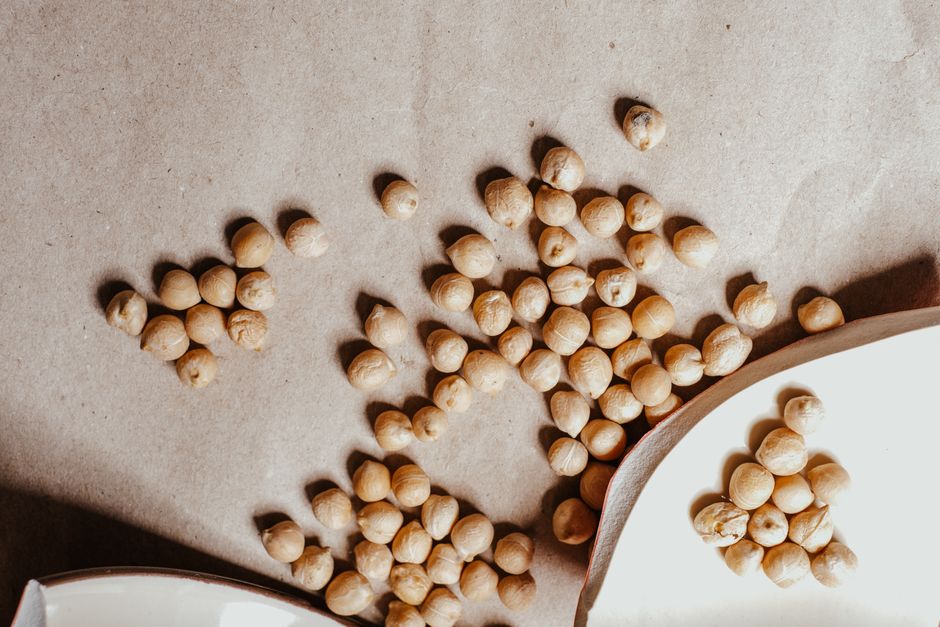
If you are looking to cut back on meat or simply want more variety in your diet, you have plenty of options. Eggs, dairy products, legumes, nuts, seeds, and whole grains all provide meaningful amounts of protein. Many plant-based foods, like lentils and chickpeas, rival the protein content of meat when measured per cooked cup. The key is knowing which foods pack the most punch and how to combine them into a balanced daily intake.
What Foods Are High In Protein Besides Meat?
Several non-meat foods are genuinely high in protein, not just “good sources.” Eggs deliver about 6 grams per large egg. Greek yogurt is a standout, offering roughly 15-20 grams per serving depending on the brand. Cottage cheese provides about 14 grams per half-cup. Among plant options, cooked lentils contain around 18 grams per cup, and chickpeas offer about 15 grams per cup. Tofu and edamame are also excellent, with tofu providing about 10 grams per half-cup and edamame delivering roughly 17 grams per cup.
Seeds are surprisingly dense. Pumpkin seeds contain about 9 grams per ounce, and hemp seeds offer around 10 grams per ounce. Even vegetables contribute small amounts — a cup of cooked broccoli has about 4 grams. These numbers show that a meat-free diet does not have to be a low-protein diet.
How Much Protein Do You Actually Need?
The standard recommendation for healthy adults is 0.8 grams of protein per kilogram of body weight per day. For a 150-pound person, that works out to about 54 grams daily. This figure comes from established dietary guidelines and represents the minimum needed to prevent deficiency, not an optimal athletic target.
Active individuals and older adults often need more. Research suggests that older adults may benefit from higher intakes, around 1.0 to 1.2 grams per kilogram, to help preserve muscle mass. Athletes in heavy training may need 1.2 to 2.0 grams per kilogram. These are general ranges from sports nutrition guidelines, and individual needs vary. For most people eating a varied diet, getting enough protein without meat is entirely achievable.
Dairy and Eggs: The Complete Protein Standard
Dairy products and eggs are considered complete proteins. This means they contain all nine essential amino acids in adequate amounts. Essential amino acids are the building blocks your body cannot make on its own, so they must come from food.
Greek yogurt is one of the most protein-dense dairy options. The straining process removes liquid whey, concentrating the protein. Many brands deliver 15-20 grams per 6-ounce container. Cottage cheese is similarly concentrated, offering about 14 grams per half-cup. Regular milk provides 8 grams per cup, and eggs contribute 6 grams each.
These foods also provide calcium, vitamin D, and B vitamins. For people who tolerate dairy well, these are efficient and affordable protein sources. If you are lactose intolerant, hard cheeses like cheddar contain minimal lactose, and Greek yogurt is often better tolerated than milk because the culturing process breaks down some lactose.



Legumes: The Plant-Based Protein Powerhouses
Legumes — beans, lentils, peas, and chickpeas — are the backbone of plant-based protein. Unlike dairy and eggs, they are not complete proteins. They are low in the amino acid methionine but rich in lysine. This matters less than people think, as long as you eat a varied diet throughout the day.
Lentils cook quickly and contain about 18 grams of protein per cooked cup. Chickpeas, also called garbanzo beans, provide about 15 grams per cup. Black beans and kidney beans are similar. Soybeans are the exception among legumes — they are a complete protein. Edamame, which are immature soybeans, delivers about 17 grams per cup. Tofu and tempeh, both made from soybeans, also provide complete protein.
One practical note: legumes also contain carbohydrates and fiber. This makes them filling and good for digestive health, but it means they are not a direct calorie-for-calorie swap for meat. If you are replacing chicken breast with beans, you will need to eat a larger volume to match the protein.
Nuts and Seeds: Small But Mighty
Nuts and seeds are protein-dense per calorie, but they come with significant fat content. This is not a problem — the fats are mostly unsaturated and heart-healthy — but it does mean portion control matters if weight management is a goal.
Pumpkin seeds contain about 9 grams of protein per ounce. Hemp seeds are even better at around 10 grams per ounce, and they also provide omega-3 fatty acids. Almonds offer 6 grams per ounce, and peanuts (technically legumes) provide 7 grams per ounce. Chia seeds contain about 5 grams per ounce, along with a substantial amount of fiber.
Nut butters are a convenient way to add protein. Two tablespoons of peanut butter provide about 7 grams of protein. This makes a peanut butter sandwich on whole-grain bread a legitimate protein meal, delivering roughly 15 grams total. The combination of grains and legumes also creates a more complete amino acid profile.
Whole Grains and Vegetables: The Supporting Cast
Whole grains contribute more protein than most people expect. Quinoa is unusual among grains because it is a complete protein. One cooked cup provides about 8 grams. Amaranth and buckwheat are similar. Even standard grains add up: cooked oats have about 6 grams per cup, and whole-wheat pasta provides roughly 7 grams per cooked cup.
Vegetables are not protein-dense, but they contribute. A cup of cooked spinach has about 5 grams. Broccoli offers 4 grams per cup. Mushrooms and Brussels sprouts are similar. These amounts are modest, but they add up across a day of varied eating.
The practical takeaway: a meat-free plate that includes a grain, a legume, and a vegetable will typically provide 20-30 grams of protein. That is a solid meal for most adults.
How to Combine Plant Proteins for Complete Coverage
The old advice about “protein combining” at every meal is outdated. Your body does not need all essential amino acids in one sitting. It pools amino acids from food eaten over the course of a day. Eating a variety of plant proteins across meals is sufficient for most healthy people.
That said, some classic combinations are efficient. Rice and beans together provide a full amino acid profile. Hummus with whole-wheat pita is another. Peanut butter on whole-grain bread works too. These pairings are traditional across many cultures for good reason — they are affordable, tasty, and nutritionally complete.
If you eat dairy or eggs, you do not need to think about combining at all. A single serving of Greek yogurt or a few eggs covers your essential amino acid needs completely.
Protein Powders and Supplements: Do You Need Them?
Protein powders are not necessary for most people. They are convenient, but whole foods provide protein along with fiber, vitamins, and minerals that supplements lack. Pea protein, brown rice protein, and soy protein powders are all complete or nearly complete on their own.
If you use them, they are a practical way to boost intake. A typical scoop provides 20-25 grams of protein. This can be useful for athletes, older adults with poor appetite, or anyone struggling to meet their needs through food alone. However, no clinical evidence suggests that protein supplements are superior to food sources for general health. They are a tool, not a requirement.
Practical Meal Ideas for High-Protein Meat-Free Eating
Breakfast is an easy place to start. Greek yogurt with berries and a sprinkle of hemp seeds delivers 25-30 grams of protein. Scrambled eggs with spinach and feta cheese provides about 20 grams. Overnight oats made with milk, chia seeds, and peanut butter can reach 20 grams as well.
Lunch could be a lentil soup with whole-grain bread, which offers 20-25 grams. A quinoa bowl with chickpeas, roasted vegetables, and tahini dressing lands in the same range. Cottage cheese with fruit and almonds is a lighter option at around 20 grams.
Dinner options include tofu stir-fry with broccoli and brown rice, which delivers 25-30 grams. Black bean burgers on whole-wheat buns with cheese provide similar amounts. A vegetable and bean chili with cornbread is hearty and protein-rich.
Snacks matter too. A handful of almonds has 6 grams. A boiled egg has 6 grams. Edamame sprinkled with salt provides 8 grams per half-cup. These small additions make it easy to reach daily targets without meat.
Common Myths About Plant Protein
A persistent myth claims that plant protein is inferior and cannot build muscle. This is not supported by evidence. Research consistently shows that plant-based diets can support muscle mass and strength when total protein intake is adequate. The amino acid profile difference is real, but it is not a practical problem for people eating varied diets.
Another myth is that soy is harmful, particularly for men. This claim has been repeatedly examined. Current evidence does not show that soy consumption affects testosterone levels or male fertility in a clinically meaningful way. Soy foods like tofu, tempeh, and edamame are safe and nutritious for most people.
A third myth is that plant proteins are poorly absorbed. It is true that some plant foods contain antinutrients like phytates that can reduce absorption. However, cooking and processing largely neutralize these compounds. The protein in cooked beans, tofu, and nuts is well absorbed by most people.
Frequently Asked Questions
What vegetable has the most protein?
Edamame leads among vegetables, with about 17 grams of protein per cooked cup. Other strong options include lentils at 18 grams per cup and chickpeas at 15 grams per cup, though these are technically legumes.
Can you build muscle without eating meat?
Yes, research consistently shows that plant-based diets support muscle growth when total protein intake is adequate. Combining varied plant proteins across the day provides all essential amino acids.
Is plant protein as good as animal protein?
Plant protein is adequate for most people, but animal proteins are more complete on their own. Soy is the one plant protein that matches animal protein in amino acid profile.
How much protein is in a cup of beans?
Cooked beans typically provide 14-18 grams of protein per cup. Lentils are at the higher end, while black beans and kidney beans are slightly lower.
