
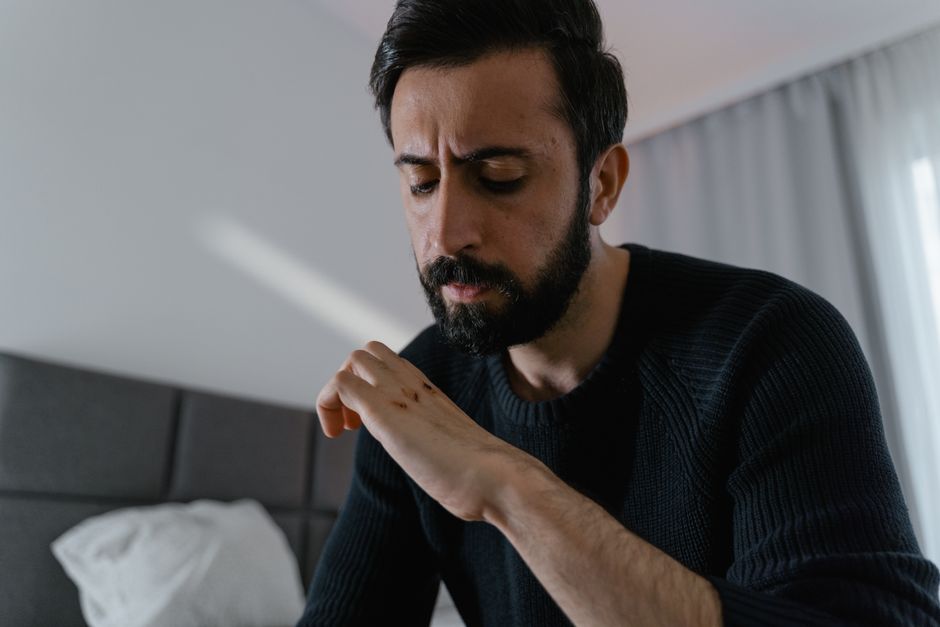
To make cuts less red with proper wound care, clean the wound gently with mild soap and water, keep it moist with petroleum jelly or antibiotic ointment, and cover it with an adhesive bandage. Change the dressing daily and avoid picking at scabs or using harsh chemicals like hydrogen peroxide. These steps reduce inflammation and support the body’s natural healing process, which helps redness fade faster.
Why Are Cuts Red?
Redness around a fresh cut is a normal part of the inflammatory response. When skin is injured, blood vessels in the area widen to allow more blood flow. This brings immune cells and nutrients to the wound site to fight bacteria and begin repair.
The scientific term for this widening is vasodilation. More blood near the surface of the skin makes the area appear red. This redness is a sign that your body’s healing machinery is working. It typically appears within minutes of the injury and peaks within the first 48 to 72 hours.
Other early signs of normal healing include mild swelling and warmth around the cut. A small amount of clear or slightly yellow fluid may also drain from the wound. These are all expected parts of the healing process and do not mean the wound is infected.
How To Make Cuts Less Red With Proper Wound Care
Reduction of redness depends on how well you manage the wound environment. The goal is to keep the area clean, moist, and protected so inflammation does not become excessive or prolonged.
- Clean gently. Use cool or lukewarm water and mild soap. Avoid scrubbing. Pat dry with a clean cloth or sterile gauze. Rubbing can increase irritation and redness.
- Apply a moisture barrier. A thin layer of plain petroleum jelly or an over-the-counter antibiotic ointment keeps the wound moist. Moist wounds heal faster and produce less scar tissue, both of which reduce redness.
- Cover with a bandage. A sterile adhesive bandage protects the wound from dirt and bacteria. It also prevents accidental picking, which delays healing and increases redness. Change the bandage at least once a day, or whenever it becomes wet or dirty.
- Avoid harsh antiseptics. Hydrogen peroxide and rubbing alcohol can damage healthy tissue and slow healing. They also increase redness by irritating the wound. Soap and water or a gentle saline rinse are sufficient for most cuts.
- Do not pick scabs. Scabs are the body’s natural covering. Picking removes new skin cells underneath and triggers more bleeding and inflammation, which makes redness last longer.
These steps directly address the factors that prolong redness. Keeping the wound clean reduces the risk of infection, and keeping it moist prevents a hard scab from forming, which minimizes inflammation.
What Does Normal Healing Redness Look Like?
Normal redness from healing follows a predictable pattern. It appears shortly after the injury, peaks in intensity around day two or three, and then gradually fades over the next week to ten days.
A healthy healing wound may have redness that extends no more than a few millimeters beyond the wound edge. The area should be slightly warm to the touch but not hot. There should be no significant swelling beyond the immediate wound site, and no pain that worsens after the first day.
As new skin cells migrate to close the wound, a pinkish color replaces the initial deep red. Once the surface is completely closed, redness continues to fade over the following weeks as the deeper layers remodel. This remodeling phase can take several weeks to months, but the intense redness should be gone within the first two weeks for minor cuts.





When Is Redness a Sign of Infection?
Redness that spreads beyond the immediate wound edge after the third day is a warning sign. Other signs of infection include redness that gets darker or more extensive, increasing pain instead of improving, warmth that radiates outward, yellow or green pus, a foul odor, and red streaks moving away from the wound toward the body.
If you develop a fever, chills, or swollen lymph nodes near the wound, that also points to a spreading infection. Simple cellulitis can often be treated with oral antibiotics, but delay can lead to more serious complications like abscess formation or bloodstream infection.
Do not wait to see if it resolves on its own. If you notice any of these signs, see a healthcare provider promptly. Most wound infections require medical treatment and do not get better with home care alone.
Some people have a higher risk of wound infection, including those with diabetes, poor circulation, a weakened immune system, or deep or dirty wounds. These individuals should be especially vigilant and may benefit from early medical evaluation even before signs of infection appear.
Can Redness Be Reduced With Topical Treatments?
Several over-the-counter products are marketed to reduce redness in healing wounds. The evidence supporting them varies.
Aloe vera. Aloe has anti-inflammatory properties. Some research suggests it can reduce redness and swelling when applied to clean, closed wounds. However, it should be used only after the wound has stopped bleeding and is no longer open. For fresh cuts with broken skin, plain petroleum jelly is safer because aloe may cause stinging.
Honey. Medical-grade honey, such as Manuka honey, has been shown in some clinical trials to speed wound healing and reduce inflammation. It may help with redness, but research is still limited for everyday minor cuts. Honey should be applied to a clean wound and covered with a bandage. Standard kitchen honey is not sterile and should not be used.
Silicone gels and sheets. These are more commonly used after the wound has closed to prevent scarring and reduce redness associated with scar formation. They do not reduce redness during the early healing phase.
Vitamin E and other oils. Despite popular use, quality studies do not show that vitamin E oil reduces redness or improves scar appearance. Some people develop contact dermatitis from it, which actually increases redness.
The most evidence-backed strategy for reducing redness remains basic wound care: keeping the wound clean, moist, and covered. No topical product substitutes for that foundation.
How To Minimize Scarring After Redness Fades
Once the cut has closed and the intense redness has subsided, you can take steps to help the final appearance of the scar fade to a lighter, less noticeable color.
- Protect from sun exposure. Sunlight darkens healing scars and makes redness last longer. Cover the area with clothing or a bandage, or apply a broad-spectrum sunscreen with SPF 30 or higher once the wound is fully closed. Continue sun protection for at least six months.
- Use silicone gel or sheets. Apply a silicone-based product to the closed wound daily for several weeks to months. This can flatten and fade scars, including reducing redness. Multiple clinical studies support silicone for scar prevention.
- Massage the scar. Gently massaging the healed area in circular motions with moisturizer can break up tight scar tissue and improve blood flow, which helps color normalize. Wait until the wound is completely closed and not tender.
- Moisturize regularly. Keeping the skin hydrated supports the remodeling phase. Plain unscented lotion or shea butter is sufficient. Avoid products with fragrances or essential oils that can irritate.
Scar maturation takes time. Most scars will continue to improve for up to a year after injury. Patience and consistent protection from the sun matter more than expensive creams or treatments.
Frequently Asked Questions
How long does redness last after a cut?
For most minor cuts, normal redness peaks around two to three days and then gradually fades over the next week to ten days. Full fading may take several weeks as the deeper layers of skin remodel.
Can ice reduce redness on a fresh cut?
Applying ice for the first 15 to 20 minutes after injury can help reduce swelling and redness by constricting blood vessels. After that window, ice does not affect the inflammatory process and may delay healing if used repeatedly.
Should I use hydrogen peroxide to clean a cut?
No, hydrogen peroxide is not recommended for routine wound cleansing. It can damage healthy tissue and prolong inflammation, which increases redness rather than reducing it. Mild soap and water or a sterile saline rinse are better choices.
When should I see a doctor for redness around a cut?
See a doctor if the redness spreads beyond the wound edge after three days, becomes darker or more extensive, is accompanied by pus, red streaks, increasing pain, or fever. These signs suggest a wound infection that needs medical treatment.
